Browse / Australia / Western Australia / Cossack
Cossack
Western Australiahamlet

Cossack
Demographic figures from Australian Bureau of Statistics. Overview below cites Wikipedia and may reference a different year.
City facts
Facts from Wikidata (CC0).
Overview
Cossack, known as Bajinhurrba in Ngarluma language, and formerly known as Tien Tsin, is a historic ghost town located 1,480 km (920 mi) north of Perth and 15 km (9.3 mi) from Roebourne in the Pilbara region of Western Australia. The nearest town to Cossack, which is located on Butcher Inlet at the mouth of the Harding River, is Wickham. The former Tien Tsin Harbour is now known as Port Walcott. Since 2021, the townsite is managed and operated by the Ngarluma and Yindjibarndi Foundation Ltd (NYFL).
Read more on WikipediaHistory & geography
History
Before the town was built, the land was inhabited by the Ngarluma, an Aboriginal people. In May 1863, Walter Padbury landed his stock at the mouth of the Harding River near the present site of Cossack. Cossack was first known as Tien Tsin, after the barque that carried Padbury and his party. The ship that brought the state's governor, Frederick Weld, in December 1871 was named HMS Cossack, and the town adopted this name in 1872 (officially 1873 The harbour serving the town, formerly known as Tien Tsin Harbour, was later renamed Port Walcott. In 1866 the town of Roebourne was declared, and the pearling industry began in the region. Cossack was the birthplace of Western Australia’s pearling industry and was the home of the colony’s pearling fleet until the 1880s. Many small boats off the Port Walcott coast dived for pearl shell during the 1860s using Aboriginal labour, including women and children. By early 1869, there were 14 small vessels pearling in the area, with an average crew of three Europeans and six Aboriginal people. By the early 1870s up to 80 luggers were operating in the area. The pearling industry also attracted a large Asian population. By 1895, there were 989 Malays and 493 Aboriginal people employed on 57 vessels at Cossack. The high number of Asians in the industry, including Japanese and Chinese as well as Malay, led to the establishment of an Asian quarter known as "Chinatown". In 1881 a cyclone damaged the town, and every pearling vessel then operating either foundered or was beached. In 1885, 44 vessels were operating out of Cossack. In that year a parliamentary select committee recommended the closure of several pearling banks in the area due to depletion. In 1886, the main pearling industry moved to Broome. In the 1920s there was still a…
Excerpted from the corresponding Wikipedia article (CC BY-SA).
Geography
Coordinates & boundaries from the US Census TIGER/Line shapefiles.
Climate
Air quality
Walkability
Amenities nearby
Wildlife & biodiversity
Earthquake history
Photos
Sights & places nearby
Notable people from here

People born within ~10 km, from Wikidata (CC0). Click any name for their Wikipedia article.
Geography & sun
Nearby airports
Public attention
Books about this place
Recent natural events nearby
Ground air-quality sensors
Recently spotted species
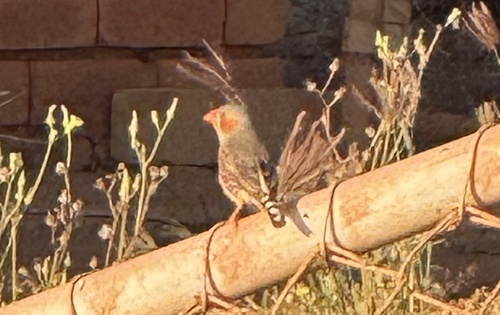
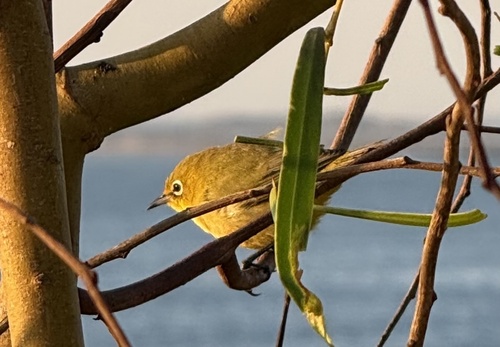
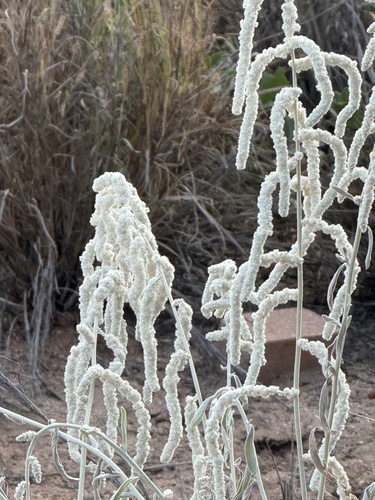
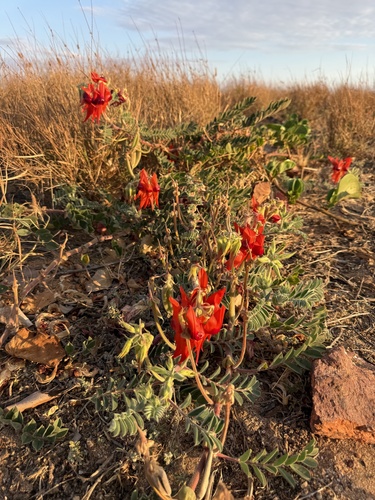
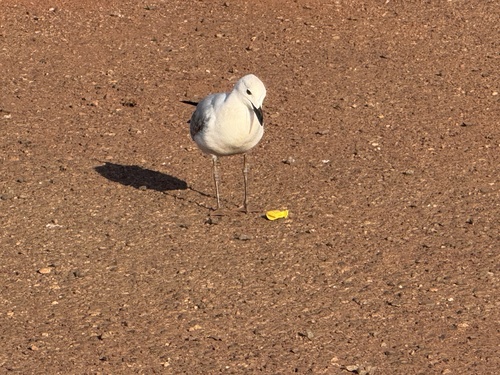
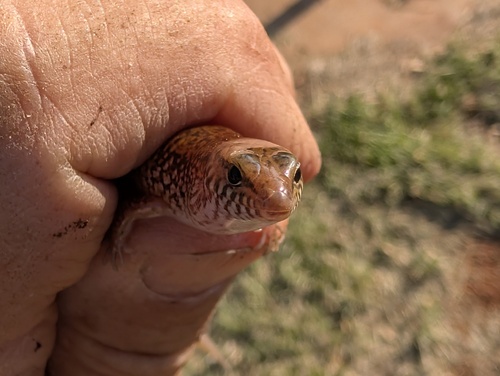
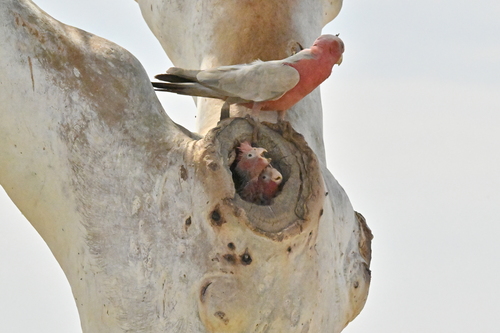
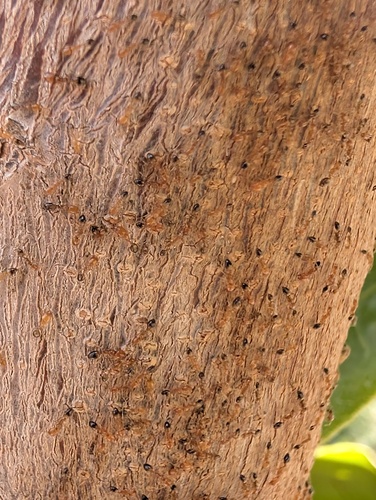
Research-grade observations from iNaturalist (within ~15 mi).
Events
Gallery
Sources
- • Wikipedia
- • Wikidata
- • iNaturalist