Browse / Australia / Western Australia / Norseman
Norseman
Western Australiatown

Norseman
Total population
555
Demographic figures from Australian Bureau of Statistics. Overview below cites Wikipedia and may reference a different year.
City facts
Facts from Wikidata (CC0).
Overview
Norseman is a town in the Goldfields-Esperance region of Western Australia along the Coolgardie-Esperance Highway, 726 kilometres (451 mi) east of Perth and 278 metres (912 ft) above sea level. It is also the starting point of the Eyre Highway, and the last major town in Western Australia before the South Australian border 720 kilometres (447 mi) to the east. At the 2021 census, Norseman had a population of 562, of whom 17% were Aboriginal.
Read more on WikipediaHistory & geography
History
The quest for gold led to the establishment of Norseman, on the traditional land of the Ngadju. Today there are a number of small goldmining operations in the area but only the Central Norseman Gold Corporation can be considered a major producer. Gold was first found in the Norseman area in 1892, about 10 km south of the town, near Dundas. The Dundas Field was proclaimed in August 1893 and a townsite gazetted there. In August 1894, Lawrence Sinclair, his brother George Sinclair, and Jack Alsopp discovered a rich gold reef. Sinclair named it after his horse, Hardy Norseman. The family had originally come from the Shetland Isles in December 1863. Laurie's brother James was working in Esperance as the post and telegraphist master. In January 1895 the mining warden asked the government to declare a townsite for the 200 or so miners who had arrived. It was gazetted on 22 May. The Aboriginal name for the area is "Jimberlana". A mining entrepreneur from Melbourne, Ernest McCaughan, led a party of 13 by steamship from Melbourne to Esperance to walk inland and discover the central part of the gold field. He later went on to develop substantial mining interests in Western Australia and Tasmania. Norseman initially struggled to develop because of the established town of Dundas but, between 1895 and 1901, a post office, banks, doctor, courthouse, stores and churches were established and, in 1899 Cobb & Co, mail coaches started delivering mail to Norseman. In 1935, Western Mining Corporation came to Norseman and invested significantly in its infrastructure, resulting in new bitumen roads, electricity and an extension of the Goldfields Water Supply Scheme to the town. The population of the town was 418 (262 males and 156 females) in 1898. Once it was the second-richest…
Geography
Norseman experiences a semi-arid climate (Köppen climate classification BSh).
Excerpted from the corresponding Wikipedia article (CC BY-SA).
Geography
Coordinates & boundaries from the US Census TIGER/Line shapefiles.
Climate
Air quality
Walkability
Amenities nearby
Wildlife & biodiversity
Earthquake history
Photos
Sights & places nearby
Notable people from here
Nearby places in Western Australia
- Higginsville31.4 mi away · pop. 66
- Kambalda East69.2 mi away · pop. 802
- Coolgardie93.5 mi away · pop. 763
- Kurrawang98.2 mi away · pop. 84
- Ninga Mia102.8 mi away
- Kanowna110.5 mi away · pop. 10
- Gindalbie129.2 mi away
- Zanthus132.7 mi away
- Ora Banda132.8 mi away
- Ravensthorpe138.6 mi away · pop. 350
- Marvel Loch143.6 mi away · pop. 93
- Goongarrie153 mi away
Geography & sun
Elevation, sunrise/sunset and daylight from Open-Meteo. Solar climatology from NASA POWER.
Nearby airports
Public attention
Pageview totals from the Wikimedia Pageviews API.
Books about Norseman
Search results from Open Library.
Recent natural events nearby
Ground air-quality sensors
Recently spotted species
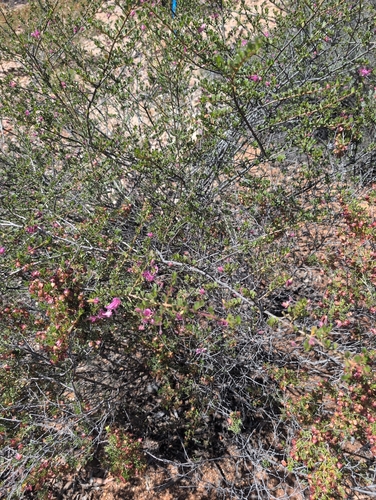
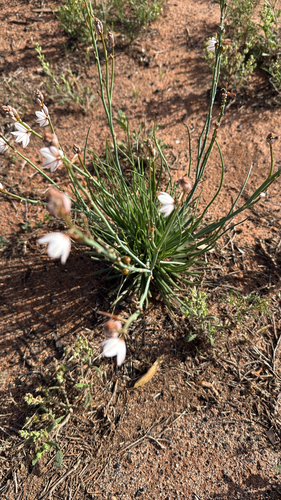
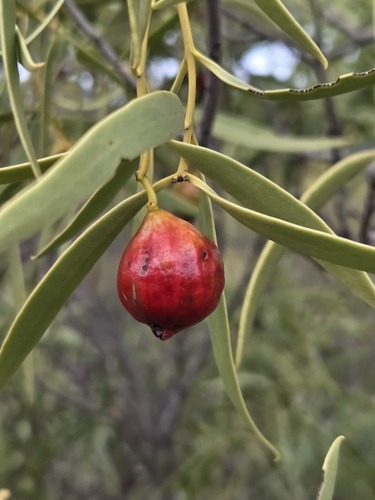
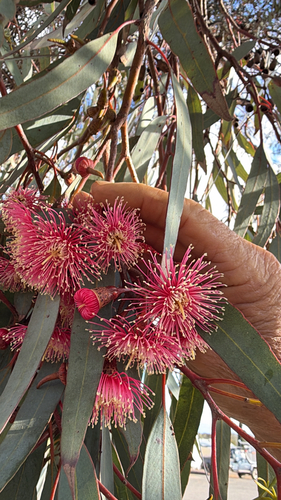
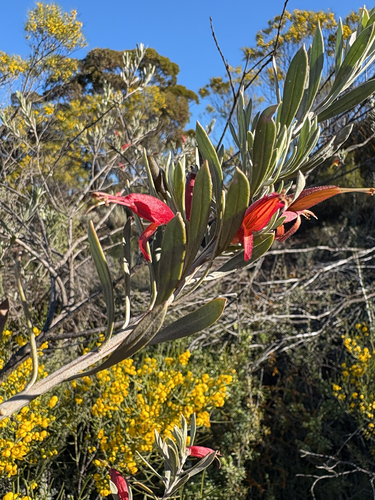
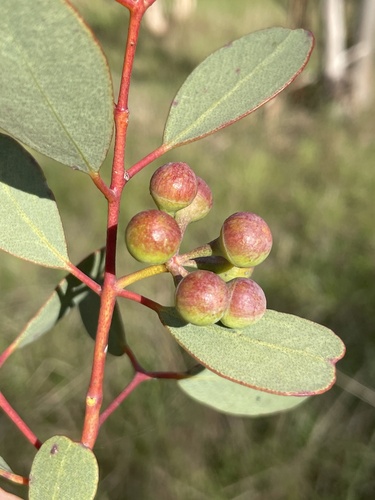
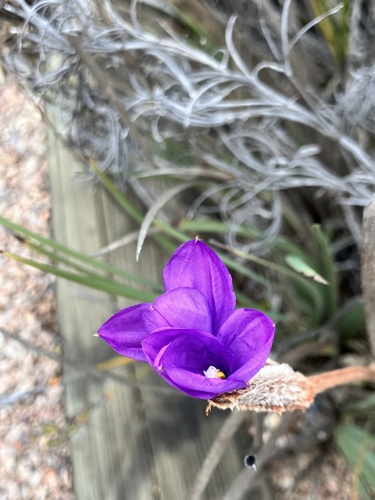
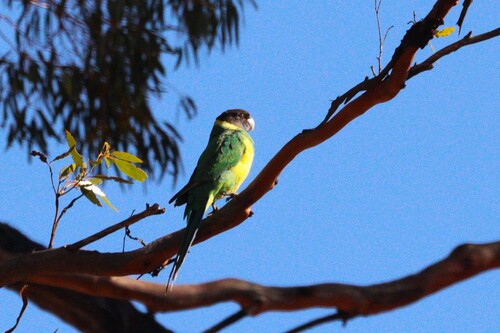
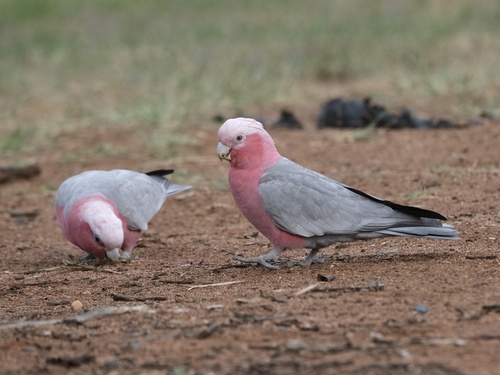
Research-grade observations from iNaturalist (within ~15 mi).
Events
Gallery
Sources
- • Wikipedia
- • Wikidata
- • iNaturalist
- • Open-Meteo / sunrise-sunset.org
- • Wikipedia Pageviews API
- • Open Library