Browse / Brazil / Pernambuco / Recife
Recife
Pernambucocity

Recife
Total population
1,488,920
Founded
1537
Demographic figures from IBGE. Overview below cites Wikipedia and may reference a different year.
City facts
Facts from Wikidata (CC0).
Overview
Recife is the state capital of Pernambuco, Brazil, on the northeastern Atlantic coast of South America. It is the largest urban area within both the North and the Northeast Region of Brazil. It is the largest city in Pernambuco state, and the fourth-largest urban area in all of Brazil; the metro population of the city of Recife was 3,726,974 in 2022. Recife was founded in 1537, serving as the main harbor of the Captaincy of Pernambuco—known for its large-scale production of sugar cane. At one point, it was known as Mauritsstad, when it served as the capital city of the 17th century colony of New Holland of Dutch Brazil. Situated at the confluence of the Beberibe and Capibaribe rivers, before they drain into the South Atlantic Ocean, Recife is a major seaport along the Brazilian Atlantic coast. Its name is an allusion to the stone reefs that are present offshore. Together with the urban presence of the Beberibe and Capibaribe rivers and their tributaries, the many additional unique, small islands—and more than 50 bridges linking them throughout the city—create a distinct maritime or "riviera" atmosphere, leading to Recife being known as the "Venice of Brazil".
Read more on WikipediaHistory & geography
History
Recife began as a collection of fishing shacks, inns and warehouses on the delta between the Capibaribe and Beberibe Rivers in the captaincy of Pernambuco, sometime between 1535 and 1537 in the earliest days of Portuguese colonisation of Terra de Santa Cruz, later called Brazil, on the northeast coast of South America. It was a settlement of colonial fishermen and way station for Portuguese sailors and passing ships. The first documented reference to the settlement with its "arrecife dos navios" (reef of the ships) was in the royal Charter Act of March 12, 1537, establishing Olinda, to the north, as a village, with its port where the Beberibe River meets the sea. Olinda (and Igarassu before it) had been settled in 1536 by Captain General Duarte Coelho, a Portuguese nobleman, proprietor and administrator of the captaincy of Pernambuco. The city is named for the long reef recife running parallel to the shoreline which encloses its harbour. The reef is not as sometimes stated, a coral reef, but a consolidated ancient beach, now as firm and hard as stone. In 1541, Coelho returned from the Kingdom of Portugal with the machinery for an engenho (sugar mill), and with it, his brother-in-law established the first mill named Nossa Senhora da Ajuda (Our Lady of Help), in the floodplain of the Beberibe River at Recife. At that time the banks of the Capibaribe River were covered by sugar cane. Recife was capital of the 17th century New Holland (Dutch Brazil) established by the Dutch West India Company and was called Mauritsstad. The city was eventually recaptured by the Portuguese in 1654, following their victories at the first and second Battle of Guararapes. The Mascate War of 1710–1711 pitted merchants of Recife against those of nearby Olinda.
Geography
It has often been called "The Venice of Brazil". Recife has a tropical forest. Rainforests are characterised by high rainfall, with definitions setting minimum normal annual rainfall between and . The soil can be poor because high rainfall tends to leach out soluble nutrients. There are several common characteristics of tropical rainforest trees. The city of Recife is formed by three islands (Recife, Santo Antônio, and Boa Vista). Between the islands are the rivers Beberibe and Capibaribe. Other rivers are the Jiquiá, Tejipió, Jordão and Pina. Recife has a tropical monsoon climate (Am) under the Köppen climate classification, with warm to hot temperatures and high relative humidity throughout the year. However, these conditions are relieved by pleasant westwardly trade winds blowing in from the ocean. January and February are the warmest months, with mean temperatures ranging from to , with sun. July is the second cloudiest month and experiences the coolest temperatures, with mean temperatures ranging from to . The wettest month is June, receiving an average of of rain. Recife features a short dry season which lasts from October to December. The driest and sunniest month is November, when maximum temperatures hover around and an average of of rain is recorded. }}
Excerpted from the corresponding Wikipedia article (CC BY-SA).
Geography
Coordinates & boundaries from the US Census TIGER/Line shapefiles.
Climate
Air quality
Walkability
Amenities nearby
Wildlife & biodiversity
Most-observed species
- Great KiskadeePitangus sulphuratus (Linnaeus, 1766) · Aves444
- BananaquitCoereba flaveola (Linnaeus, 1758) · Aves365
- Palm TanagerThraupis palmarum (Wied-Neuwied, 1821) · Aves326
- Rock PigeonColumba livia J.F.Gmelin, 1789 · Aves309
- Masked Water-TyrantFluvicola nengeta (Linnaeus, 1766) · Aves303
- Pale-breasted ThrushTurdus leucomelas Vieillot, 1818 · Aves283
- Social FlycatcherMyiozetetes similis (Spix, 1825) · Aves280
- Black VultureCoragyps atratus (Bechstein, 1793) · Aves264
Citizen-science & research observations from the Global Biodiversity Information Facility (GBIF).
Earthquake history
Events from the USGS Earthquake Catalog (global) (FDSN Event Web Service).
Photos
Sights & places nearby
Notable people from here


People born within ~10 km, from Wikidata (CC0). Click any name for their Wikipedia article.
Nearby places in Pernambuco
- Dois Carneiros7 mi away
- Guerere12.7 mi away
- Itapissuma20.1 mi away · pop. 27,749
- Bonança21.2 mi away · pop. 9,917
- Eldorado21.4 mi away
- Chã de Alegria22.9 mi away · pop. 12,984
- Três Ladeiras22.9 mi away
- Nossa Senhora do Ó27.9 mi away
- Lagoa de Itaenga29.2 mi away · pop. 19,434
- Tejucopapo31.5 mi away
- Porto de Galinhas31.9 mi away
- Dois Leões32 mi away
Geography & sun
Elevation, sunrise/sunset and daylight from Open-Meteo. Solar climatology from NASA POWER.
Nearby airports
Public attention
Pageview totals from the Wikimedia Pageviews API.
Books about Recife


Search results from Open Library.
Recent natural events nearby
Ground air-quality sensors
Recently spotted species
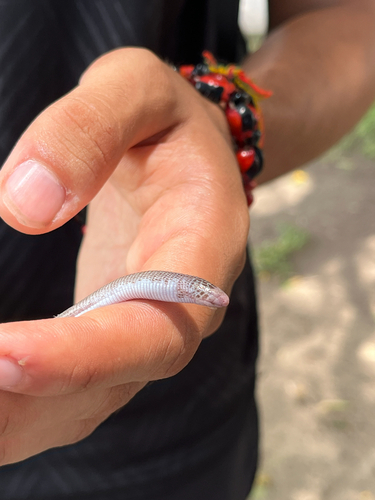
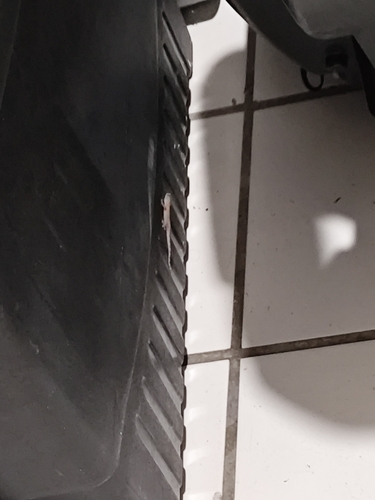
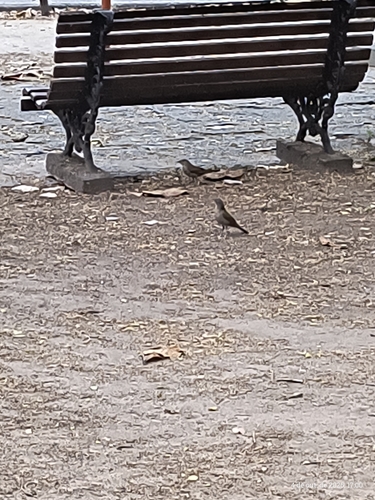
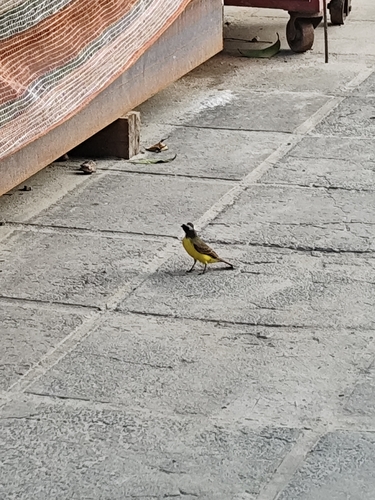
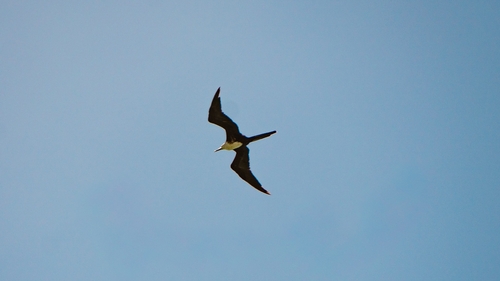
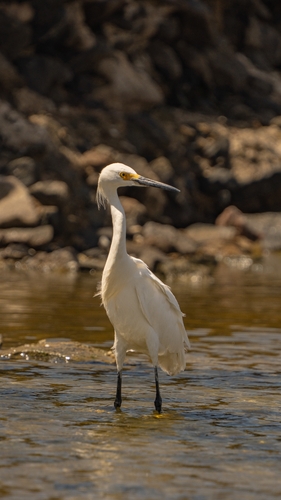
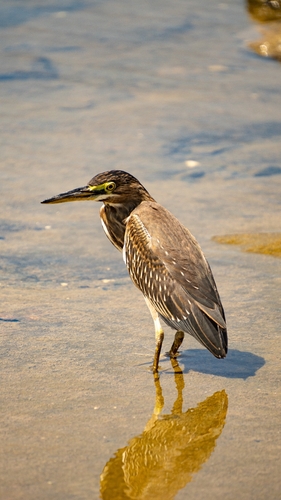
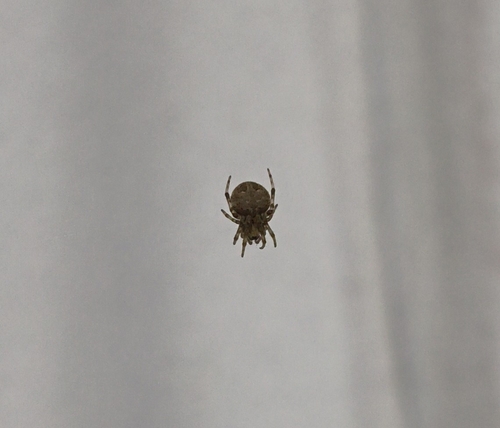
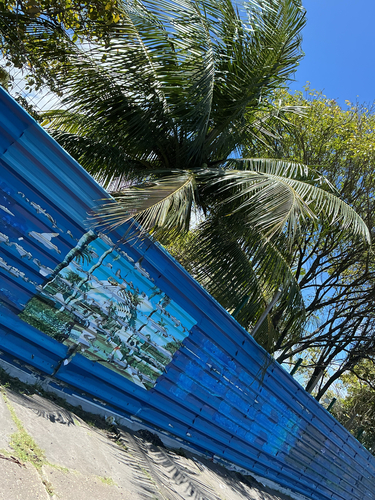
Research-grade observations from iNaturalist (within ~15 mi).
Events
Gallery
Official Identifiers
IBGE — Brazilian Institute of Geography and Statistics
- IBGE code
- 2611606
- UF
- PE
- Mesorregião
- Metropolitana de Recife
- Microrregião
- Recife
servicodados.ibge.gov.br
Sources
- • Wikipedia
- • Wikidata
- • USGS Earthquake Catalog (global feed)
- • GBIF (Global Biodiversity Information Facility)
- • iNaturalist
- • Open-Meteo / sunrise-sunset.org
- • Wikipedia Pageviews API
- • Open Library
- • Wikidata SPARQL (CC0) — population, area, elevation, inception, head of government, Commons image
- • IBGE — Brazilian national statistics, via servicodados.ibge.gov.br (official municipal code, UF, mesorregião, microrregião, region)
- • IBGE — Brazilian Institute of Geography and Statistics — servicodados.ibge.gov.br