Browse / Brazil / Espírito Santo / Três Pontes
Três Pontes
Espírito Santohamlet
Demographic figures from IBGE. Overview below cites Wikipedia and may reference a different year.
City facts
Overview
Três Pontes, a hamlet in Espírito Santo, Brazil, forms part of the country's settled landscape. Coordinates of -20.205°, -40.421° situate Três Pontes in the tropical zone of the southern hemisphere. Detailed population figures are not currently catalogued in the open data sources we track. Climatically, locations at this latitude tend to experience warm temperatures throughout the year with pronounced wet and dry seasons. The sections below expand on demographics, weather, terrain, hazards and nearby points of interest using publicly available datasets.
Summary composed automatically from structured open data on this page. See our Terms for details.
History & geography
Geography
Coordinates & boundaries from the US Census TIGER/Line shapefiles.
Climate
Air quality
Walkability
Amenities nearby
Wildlife & biodiversity
Most-observed species
- Great KiskadeePitangus sulphuratus (Linnaeus, 1766) · Aves1,226
- Black VultureCoragyps atratus (Bechstein, 1793) · Aves1,156
- Saffron FinchSicalis flaveola (Linnaeus, 1766) · Aves908
- Picazuro PigeonPatagioenas picazuro (Temminck, 1813) · Aves803
- Tropical KingbirdTyrannus melancholicus Vieillot, 1819 · Aves788
- Ruddy Ground-DoveColumbina talpacoti (Temminck, 1810) · Aves783
- Pale-breasted ThrushTurdus leucomelas Vieillot, 1818 · Aves667
- Southern House-WrenTroglodytes musculus J.F.Naumann, 1823 · Aves597
Citizen-science & research observations from the Global Biodiversity Information Facility (GBIF).
Earthquake history
Events from the USGS Earthquake Catalog (global) (FDSN Event Web Service).
Photos
Sights & places nearby
Notable people from here
Geography & sun
Nearby airports
Public attention
Books about this place
Recent natural events nearby
Ground air-quality sensors
Recently spotted species
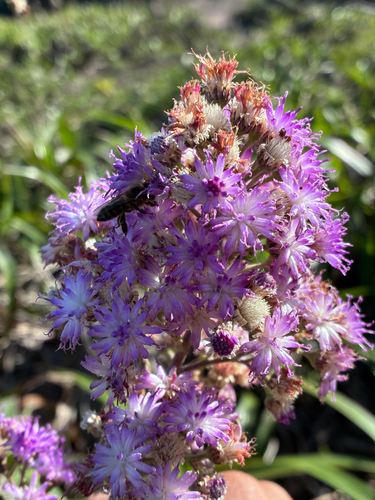
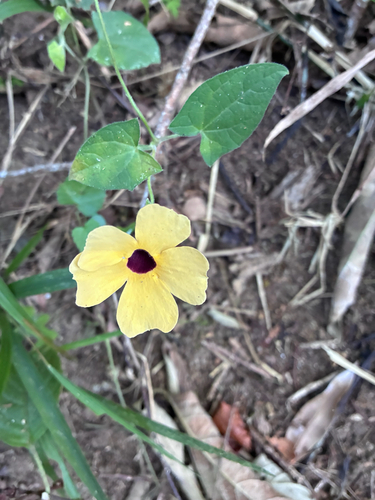
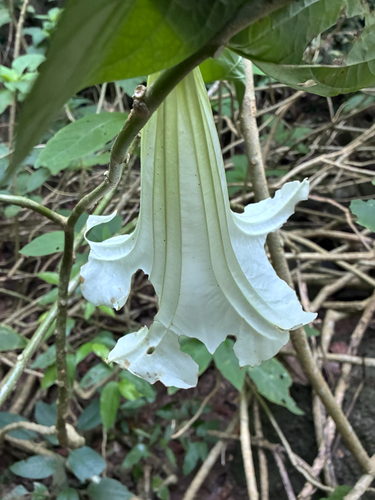
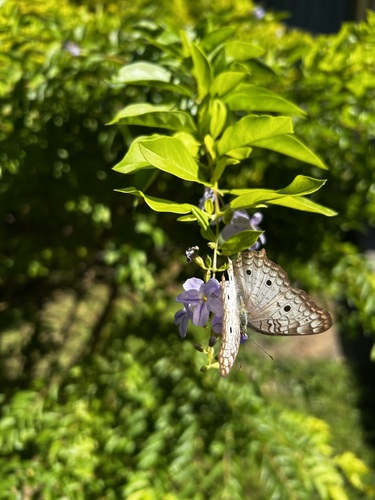
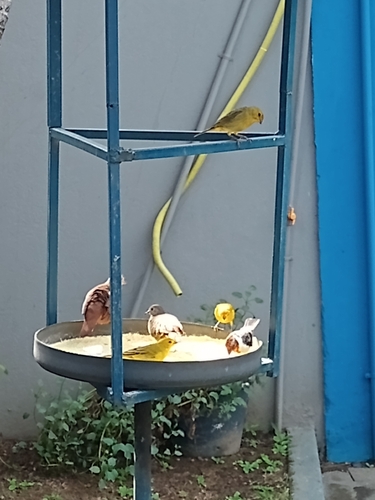
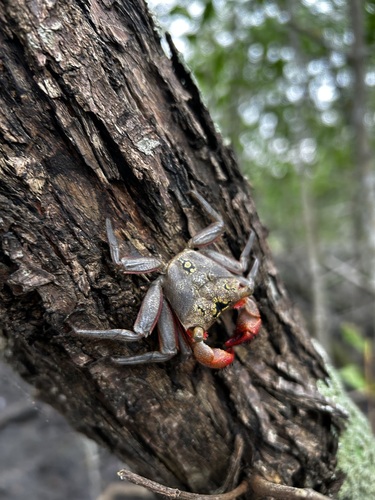
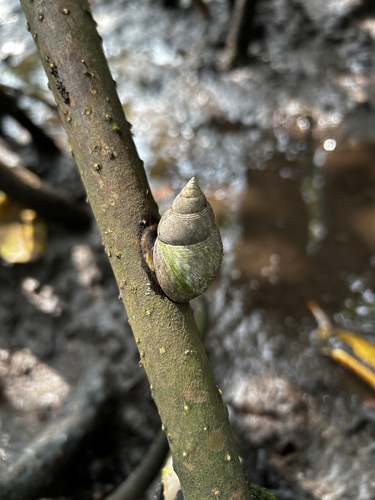
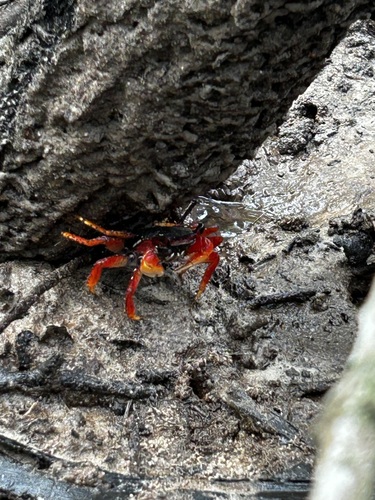
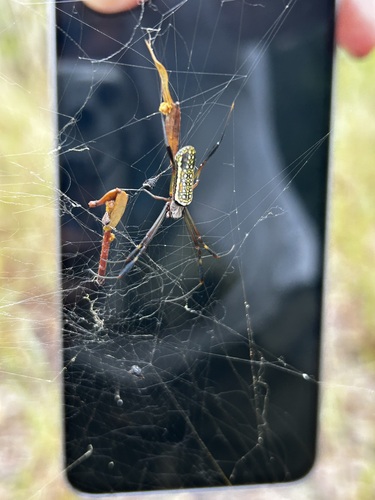
Research-grade observations from iNaturalist (within ~15 mi).
Events
Gallery
Sources
- • USGS Earthquake Catalog (global feed)
- • GBIF (Global Biodiversity Information Facility)
- • iNaturalist