Browse / Canada / Manitoba / Glass
Glass
Manitobahamlet

Glass
Demographic figures from Statistics Canada. Overview below cites Wikipedia and may reference a different year.
City facts
Overview
Glass is an amorphous (non-crystalline) solid. Because it is often transparent and chemically inert, glass has found widespread practical, technological, and decorative use in window panes, tableware, and optics. Some common objects made of glass are named after the material, e.g., a "glass" for drinking, "glasses" for vision correction, and a "magnifying glass".
Read more on WikipediaHistory & geography
History
Naturally occurring obsidian glass was used by Stone Age societies as it fractures along very sharp edges, making it ideal for cutting tools and weapons. Glassmaking dates back at least 6000 years, long before humans had discovered how to smelt iron. The earliest known glass objects, of the mid-third millennium BC, were beads, perhaps initially created as accidental by-products of metalworking (slags) or during the production of faience, a pre-glass vitreous material made by a process similar to glazing. However, red-orange glass beads excavated from the Indus Valley Civilization dated before 1700 BC (possibly as early as 1900 BC) predate sustained glass production, which appeared around 1600 BC in Mesopotamia and 1500 BC in Egypt. During the Late Bronze Age, there was a rapid growth in glassmaking technology in Egypt and West Asia. Much early glass production relied on grinding techniques borrowed from stoneworking, such as grinding and carving glass in a cold state. The term glass has its origins in the late Roman Empire, in the Roman glass making centre at Trier (located in current-day Germany) where the late-Latin term glesum originated, likely from a Germanic word for a transparent, lustrous substance. Glass objects have been recovered across the Roman Empire in domestic, funerary, and industrial contexts, as well as trade items in marketplaces in distant provinces. Examples of Roman glass have been found outside of the former Roman Empire in China, the Baltics, the Middle East, and India. The Romans perfected cameo glass, produced by etching and carving through fused layers of different colours to produce a design in relief on the glass object. In post-classical West Africa, Benin was a manufacturer of glass and glass beads. Glass was used extensively in…
Excerpted from the corresponding Wikipedia article (CC BY-SA).
Geography
Coordinates & boundaries from the US Census TIGER/Line shapefiles.
Climate
Air quality
Walkability
Amenities nearby
Wildlife & biodiversity
Earthquake history
Photos
Sights & places nearby
Notable people from here


People born within ~10 km, from Wikidata (CC0). Click any name for their Wikipedia article.
Nearby places in Manitoba
Geography & sun
Elevation, sunrise/sunset and daylight from Open-Meteo. Solar climatology from NASA POWER.
Nearby airports
Public attention
Pageview totals from the Wikimedia Pageviews API.
Books about Glass


Search results from Open Library.
Recent natural events nearby
Ground air-quality sensors
Recently spotted species
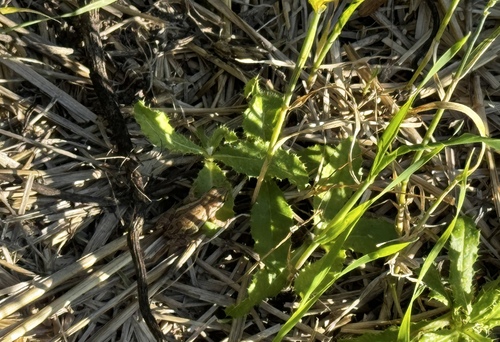
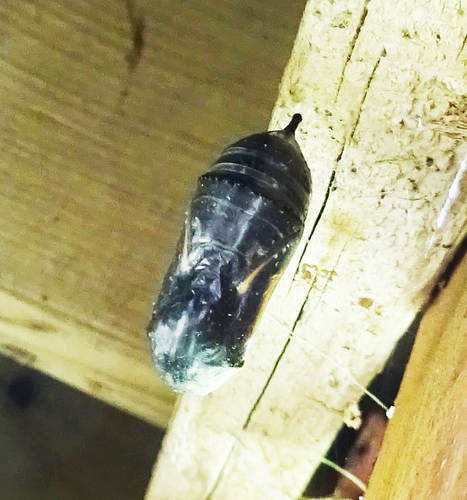




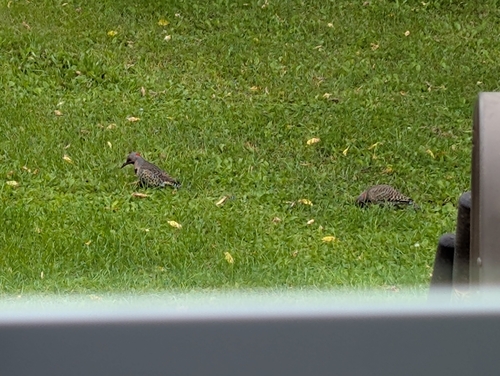
Research-grade observations from iNaturalist (within ~15 mi).
Events
Gallery
Sources
- • Wikipedia
- • Wikidata
- • iNaturalist
- • Open-Meteo / sunrise-sunset.org
- • Wikipedia Pageviews API
- • Open Library