Browse / Canada / Ontario / Kenora
Kenora
Ontariocity

Kenora
Total population
15,348
Founded
1882
Demographic figures from Statistics Canada. Overview below cites Wikipedia and may reference a different year.
City facts
Sister cities
Facts from Wikidata (CC0).
Overview
Kenora, previously named Rat Portage, is a city situated on the Lake of the Woods in Ontario, Canada, close to the Manitoba boundary, and about 208 km (129 mi) east of Winnipeg by the Trans-Canada Highway. It is the seat of Kenora District.
Read more on WikipediaHistory & geography
History
Kenora is situated on the traditional territory of the Ojibway people. Among the earliest Europeans in the Lake of the Woods area was explorer and fur trader Pierre Gaultier de Varennes et de La Vérendrye. — the community kept that name until 1905, when it was renamed Kenora. Kenora officially became part of the province of Ontario in 1889. Boundaries were drawn up for the provinces and the Northwest Angle on Lake of the Woods which definitively drew the borders between Ontario, Manitoba, and the U.S. state of Minnesota. Gold and the railway were both important in the community's early history: gold was first discovered in the area in 1850, and by 1893, 20 mines were operating within of Rat Portage, and the first Canadian ocean-to-ocean train passed through in 1886 on the Canadian Pacific Railway. Among the entrepreneurs attracted to the town was the Hon. JEP Vereker, a retired British army officer and youngest son of the 4th Viscount Gort. Later, a highway was built through Kenora in 1932, becoming part of Canada's first coast-to-coast highway in 1943, and then part of the Trans-Canada Highway, placing the community on both of Canada's major transcontinental transportation routes. The original barrier to the completion of the highway concerned the crossing of the Winnipeg River at two locations. The single-span arch bridges are among the longest of their type in North America. During the Prohibition era in the United States, the Lake of the Woods served as a smuggler's route for the transport of alcohol. In December 1883, there was a large fire in Rat Portage, rendering 70 of the town's then population of 700 homeless. The Stanley Cup was won by the Kenora Thistles hockey team in 1907. The team featured such Hall of Famers as Billy McGimsie, Tommy Phillips,…
Geography
In addition to the former towns of Keewatin and Jaffray Melick, the city includes the neighbourhoods of Norman, Rabbit Lake, Rideout, Pinecrest, Minto, and Lakeside. Keewatin forms the westernmost section of the City of Kenora. Norman was a small community halfway between the village of Keewatin and Rat Portage. The Village of Keewatin was founded in 1877 while the Village of Norman was founded in 1892; both communities amalgamated with Rat Portage in 1905 to form the Township of Kenora. Keewatin eventually separated and was founded as a Township in 1908. The Jaffray Melick neighbourhood is the north-easternmost section of the City of Kenora. The Township of Jaffray was founded in 1894 and the Township of Melick in 1902; the two townships were amalgamated in 1908 as Jaffray and Melick, and renamed Jaffray Melick in 1911. Compared to Keewatin, Norman, and Rat Portage, Jaffray Melick is the most rural community, with few retail stores and one golf course, Beauty Bay, on Black Sturgeon Lake. Kenora has a humid continental climate (Köppen climate classification Dfb) with warm summers and cold, dry winters. Summers are warm with a July high of and a low of and temperatures above occur on 5.3 days. The city frequently gets late spring and summer thunderstorms, only on occasion severe, averaging 24 days a year with thunderstorm activity. The highest temperature ever recorded in Kenora was on 11 July 1936. The coldest temperature ever recorded was on 20 January 1943. }}
Excerpted from the corresponding Wikipedia article (CC BY-SA).
Geography
Coordinates & boundaries from the US Census TIGER/Line shapefiles.
Climate
Air quality
Walkability
Amenities nearby
Wildlife & biodiversity
Earthquake history
Photos
Sights & places nearby
Notable people from here


People born within ~10 km, from Wikidata (CC0). Click any name for their Wikipedia article.
Geography & sun
Nearby airports
Public attention
Books about this place
Recent natural events nearby
Ground air-quality sensors
Recently spotted species
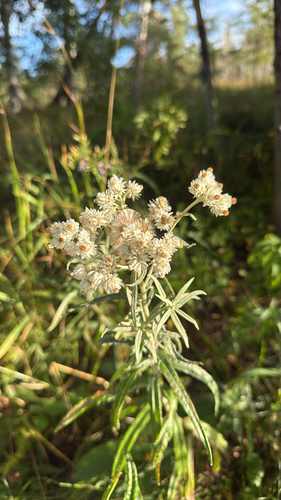
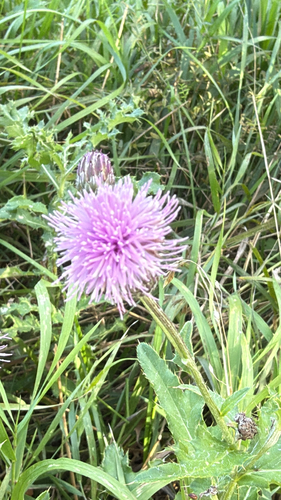
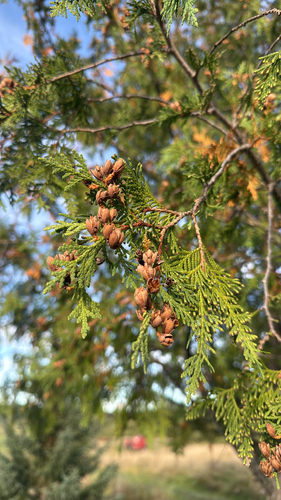
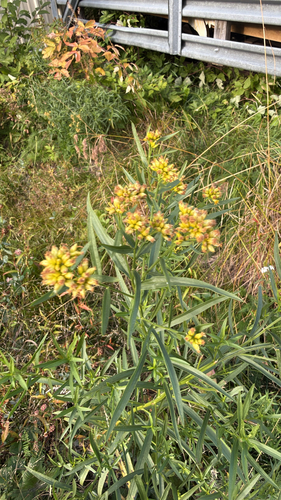
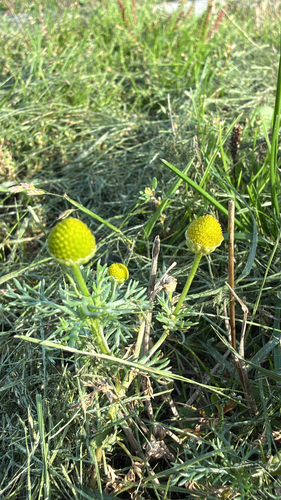
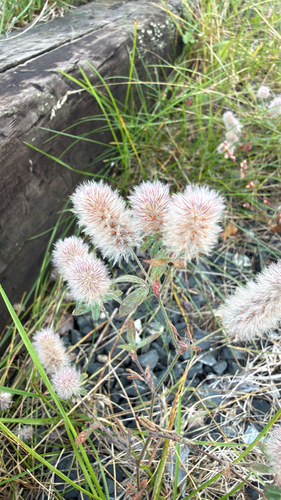
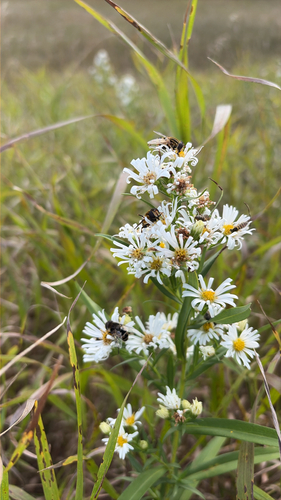
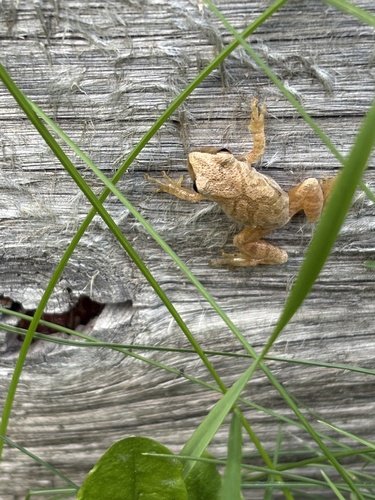
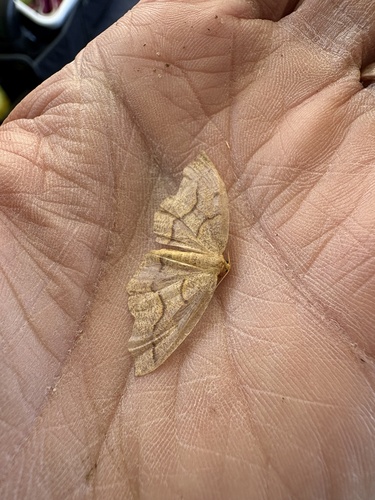
Research-grade observations from iNaturalist (within ~15 mi).
Events
Gallery
Official Identifiers
StatCan — Statistics Canada
- SGC code
- 3560010
- Population (Wikidata)
- 14,967
- Wikidata
- Q993714
Standard Geographical Classification (SGC) via Wikidata P3012
Sources
- • Wikipedia
- • Wikidata
- • iNaturalist
- • StatCan — Statistics Canada — Standard Geographical Classification (SGC) via Wikidata P3012