Browse / United States / California / Napa
Napa
Californiacity

Napa
Total population
76,913
Median home value
$866,700
Bachelor's+
Median income
$118,732
Demographic figures from US Census Bureau · ACS 5-year estimates. Overview below cites Wikipedia and may reference a different year.
City facts
Sister cities
Facts from Wikidata (CC0).
Overview
Napa is the largest city in and the county seat of Napa County and a principal city of Wine Country in Northern California, United States. Located in the North Bay region of the Bay Area, the city had a population of 76,921 as of July 2024. Napa is a major tourist destination in California, known for its wineries, restaurants, and arts culture.
Read more on WikipediaHistory & geography
History
The origin of the word "Napa" is disputed. The word "napa" is of Native American derivation and has been variously translated as "grizzly bear", "house", "motherland" or "fish". Of the many explanations of the name's origin, the most plausible seems to be that it is derived from the Patwin word napo, meaning "house". Further adding confusion, Napa was originally spelled with two Ps: Nappa. There are maps and deeds dating back to the mid-1850s bearing this spelling. Shortly thereafter, the present spelling was adopted; the reasons for this are unclear. At the time of the first recorded exploration into Napa Valley in 1823, the majority of the inhabitants consisted of Native The California Gold Rush of the late 1850s expanded Napa City. A tent city was erected along Main Street. Many cattle ranches were maintained, and the lumber industry had greatly expanded. Sawmills in the valley were in operation cutting up timber that was hauled by team to Napa and then shipped out on the river to Benicia and San Francisco. In 1858, the great silver rush began in Napa Valley, and miners eagerly flocked to the eastern hills. In the 1860s, mining carried on, in a large scale, with quicksilver mines operating in many areas of Napa County. The most noted mine was the Silverado Mine, near the summit of Mount Saint Helena. At this time, the first wave of rural, foreign laborers from coastal villages of China's Canton province arrived in California and at Napa County mines. A settlement for Chinese laborers in Napa was established in the early 1860s. At its peak from the 1880s to the early 1900s, the Chinese population grew to a population of over 300 people. Due to these documented patterns of residential segregation, the city is classified as a 'probable' sundown town in the James…
Geography
According to the United States Census Bureau, the city has a total area of , of which is land and , or 1.67%, is water. Napa was the first location in California to be part of the North Coast American Viticultural Area. renowned for its wine due to the Mediterranean climate. The Napa River traverses the city on its journey to the San Pablo Bay. The city has conducted a variety of waterfront development along the banks of the river, including certain fill operations governed by the United States Army Corps of Engineers regulations. |source 2 = National Weather Service }}
Excerpted from the corresponding Wikipedia article (CC BY-SA).
Demographics & economy
Race & ethnicity
Source: US Census Bureau — American Community Survey, 5-year estimates.
Geography
Coordinates & boundaries from the US Census TIGER/Line shapefiles.
Climate
Air quality
Industrial & pollution facilities
Natural hazard risk
Health (adults)
Walkability
Amenities nearby
Wildlife & biodiversity
Schools
Earthquake history
Photos
Sights & places nearby
Notable people from here


People born within ~10 km, from Wikidata (CC0). Click any name for their Wikipedia article.
Nearby places in California
- American Canyon8.5 mi away · pop. 21,837
- El Verano10.3 mi away
- Fetters Hot Springs-Agua Caliente10.3 mi away
- Oakville11.3 mi away
- Eldridge11.4 mi away
- Moskowite Corner11.7 mi away
- Rutherford13.1 mi away
- Glen Ellen13.7 mi away · pop. 1,078
- St. Helena17.4 mi away
- Black Point-Green Point17.5 mi away
- Port Costa18.6 mi away
- Deer Park18.8 mi away · pop. 720
Geography & sun
Elevation, sunrise/sunset and daylight from Open-Meteo. Solar climatology from NASA POWER.
Nearby airports
Public attention
Pageview totals from the Wikimedia Pageviews API.
Books about Napa


Search results from Open Library.
Recent natural events nearby
- Wildfire FELIZ, Mendocino, CaliforniaWildfires · 2026-08-01 · 67 mi
- Wildfire LUCAS, Lake, CaliforniaWildfires · 2026-09-10 · 75 mi
- Wildfire LUCAS, Lake, CaliforniaWildfires · 2026-09-10 · 75 mi
- Wildfire GANN, Calaveras, CaliforniaWildfires · 2026-08-03 · 84 mi
- Wildfire FLORISTON, Nevada, CaliforniaWildfires · 2026-09-16 · 144 mi
- Wildfire Timber, Monterey, CaliforniaWildfires · 2026-08-09 · 147 mi
- Wildfire Hawk, Washoe, NevadaWildfires · 2026-08-22 · 153 mi
- Wildfire Hawk, Washoe, NevadaWildfires · 2026-08-22 · 153 mi
Wildfires, storms and other events from NASA EONET (last 12 months, within 250 mi).
Ground air-quality sensors
Recently spotted species
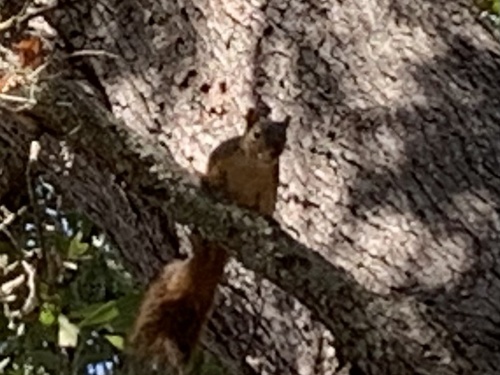

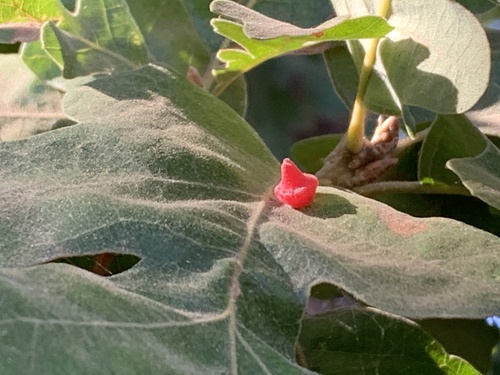

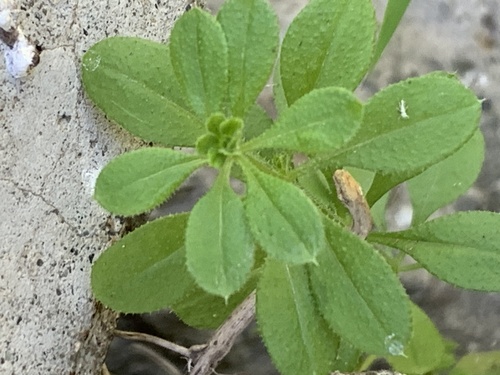
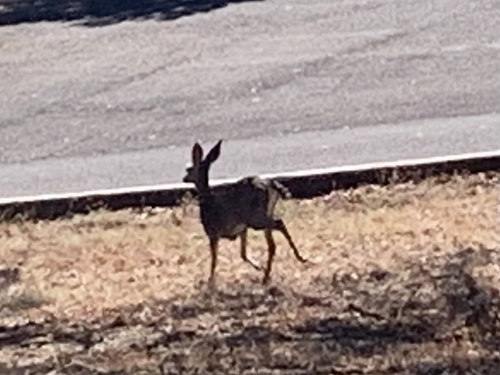

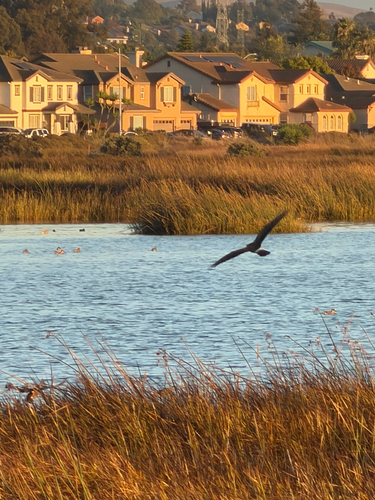
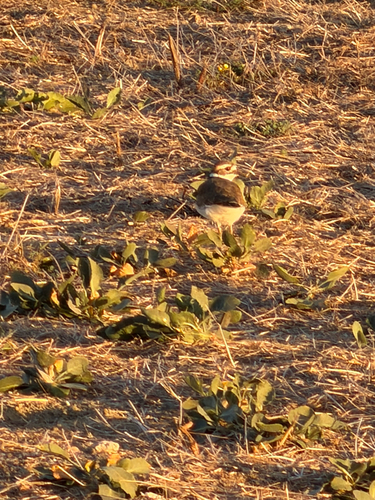
Research-grade observations from iNaturalist (within ~15 mi).
Nearest stream gauge
Events
Notable, recurring, and historical events associated with Napa, sourced from Wikidata.
- Jan 24, 2015
Source: Wikidata (CC0).
Gallery
Sources
- • Wikipedia
- • US Census Bureau (ACS 5-year estimates)
- • Wikidata
- • iNaturalist
- • Open-Meteo / sunrise-sunset.org
- • Wikipedia Pageviews API
- • Open Library
- • NASA EONET