Browse / Canada / Newfoundland and Labrador / Piccadilly
Piccadilly
Newfoundland and Labradorvillage
Demographic figures from Statistics Canada. Overview below cites Wikipedia and may reference a different year.
City facts
Overview
Found in Newfoundland and Labrador, Canada, Piccadilly is classified as a village in public datasets. Located at 48.533°, -58.921°, Piccadilly occupies a temperate portion of the northern hemisphere. Detailed population figures are not currently catalogued in the open data sources we track. Based on its temperate position, residents likely encounter four distinct seasons with warm summers and cold winters. The sections below expand on demographics, weather, terrain, hazards and nearby points of interest using publicly available datasets.
Summary composed automatically from structured open data on this page. See our Terms for details.
History & geography
History
The street has been part of a main road for centuries, although there is no evidence that it was part of a Roman road, unlike Oxford Street further north. In the Middle Ages it was known as "the road to Reading" or "the way from Colnbrook". During the Tudor period, relatively settled conditions made expansion beyond London's city walls a safer venture. Property speculation became a lucrative enterprise, and developments grew so rapidly that the threat of disease and disorder prompted the government to ban developments. Owing to the momentum of growth, the laws had little real effect. A plot of land bounded by Coventry, Sherwood, Glasshouse and Rupert streets and the line of Smith's Court was granted by Elizabeth I to William Dodington, a gentleman of London, in 1559–60. A year or so later it was owned by a brewer, Thomas Wilson of St Botolph-without-Aldgate. The grant did not include a small parcel of land, acres in area, on the east of what is now Great Windmill Street. That plot may have never belonged to the Crown, and was owned by Anthony Cotton in the reign of Henry VIII. John Cotton granted it to John Golightly in 1547, and his descendants sold it to a tailor, Robert Baker, in –12. Six or seven years later, Baker bought 22 acres of Wilson's land, thanks largely to money from his second marriage. Shortly after purchasing the land, he enclosed it (the parishioners had Lammas grazing rights) and erected several dwellings, including a residence and shop for himself; within two years his house was known as Pickadilly Hall. Devonshire House survived until 1921, before being sold for redevelopment by Edward Cavendish, 10th Duke of Devonshire for £1 million. Burlington House has since been home to the Royal Academy of Arts, the Geological Society of London, the Linnean…
Excerpted from the corresponding Wikipedia article (CC BY-SA).
Geography
Coordinates & boundaries from the US Census TIGER/Line shapefiles.
Climate
Air quality
Walkability
Amenities nearby
Wildlife & biodiversity
Most-observed species
- American CrowCorvus brachyrhynchos C.L.Brehm, 1822 · Aves1,752
- American herring gull, Smithsonian GullLarus smithsonianus Coues, 1862 · Aves1,482
- Great Black-backed GullLarus marinus Linnaeus, 1758 · Aves1,111
- American RobinTurdus migratorius Linnaeus, 1766 · Aves888
- American Black DuckAnas rubripes Brewster, 1902 · Aves784
- American WigeonMareca americana (J.F.Gmelin, 1789) · Aves776
- Red-breasted MerganserMergus serrator Linnaeus, 1758 · Aves768
- Iceland GullLarus glaucoides B.Meyer, 1822 · Aves736
Citizen-science & research observations from the Global Biodiversity Information Facility (GBIF).
Earthquake history
Events from the USGS Earthquake Catalog (global) (FDSN Event Web Service).
Photos
Sights & places nearby
Notable people from here
Geography & sun
Nearby airports
Public attention
Books about this place
Recent natural events nearby
Ground air-quality sensors
Recently spotted species
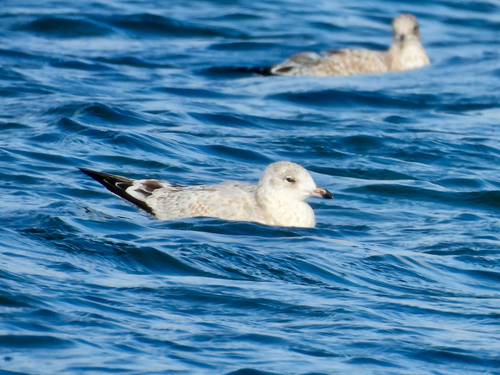
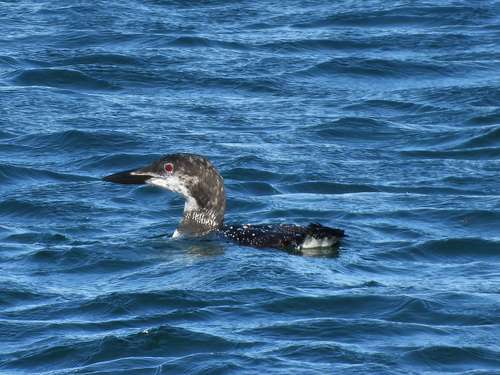
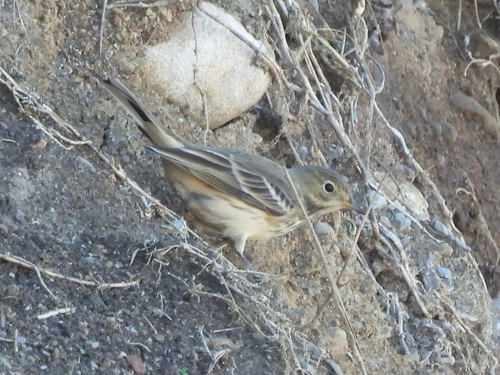
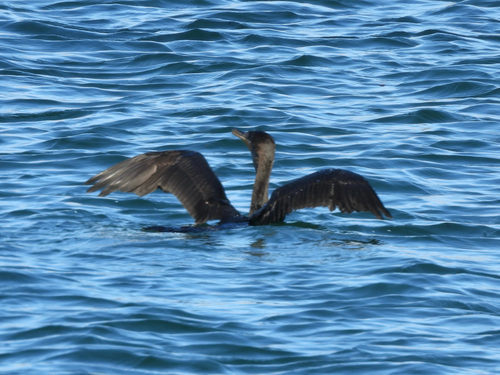
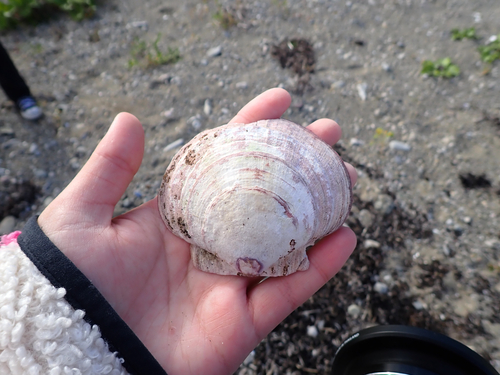
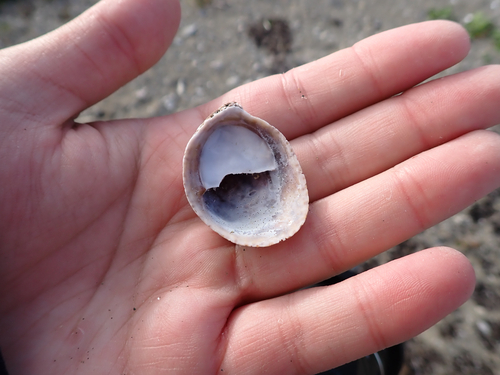
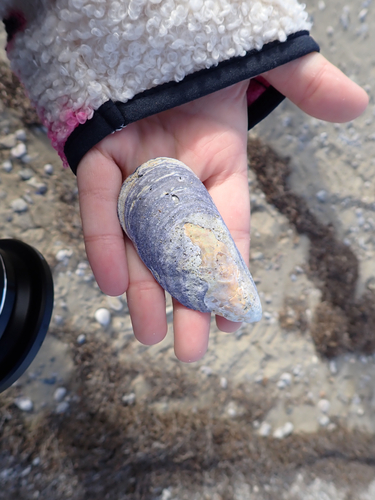
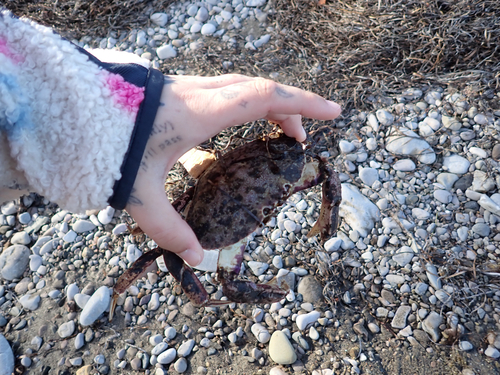
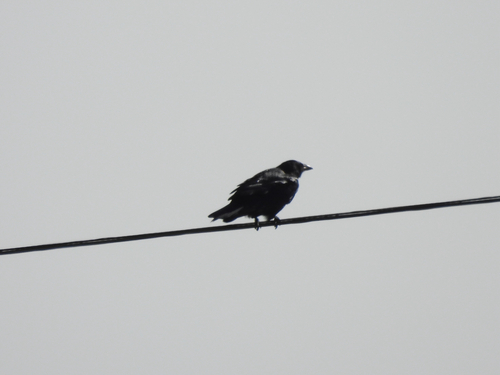
Research-grade observations from iNaturalist (within ~15 mi).
Events
Gallery
Sources
- • Wikipedia
- • Wikidata
- • USGS Earthquake Catalog (global feed)
- • GBIF (Global Biodiversity Information Facility)
- • iNaturalist