Browse / Central African Republic / Bangui / Bangui
Bangui
Banguicity

Bangui
Total population
734,350
Founded
1889
Air quality index
Demographic figures from ICASEES (CAR). Overview below cites Wikipedia and may reference a different year.
City facts
Facts from Wikidata (CC0).
Overview
Bangui is the capital and largest city of the Central African Republic. It was established as a French outpost in 1889 and named after its location on the northern bank of the Ubangi River ; the Ubangi itself was named from the Bobangi word for the "rapids" located beside the settlement, which marked the end of navigable water north from Brazzaville. The majority of the population of the Central African Republic lives in the western parts of the country, in Bangui and the surrounding area.
Read more on WikipediaHistory & geography
History
Archaeological studies in and around Bangui have yielded at least 26 ancient Iron Age sites that contain many metallurgical tools and objects, illuminating the pre-European history of the city and surrounding area. The archaeological sites were added to the UNESCO World Heritage Tentative List on 11 April 2006 in the Cultural category. The colony of Ubangi-Shari received its autonomy in 1958 as the Central African Republic and became independent from France in 1960. In 1970, President Jean-Bédel Bokassa inaugurated the University of Bangui. He established the national airline Air Centrafrique the following year and ordered the construction of two new luxury hotels in Bangui. With tensions mounting between Bangui and Paris as a result of Bokassa's uncontrollable expenditures, western banks refused to lend him any more money. Relations with the French worsened still further in April 1974, when the body of Brigette Miroux was discovered in a hotel room in Bangui. Miroux was a native of northern France who in 1973 came to the Central African Republic to become a "hostess" in Bokassa's Caravelle aircraft. It was reported in the French media that she had been Bokassa's mistress and that he was responsible for her murder. As a result, Bokassa banned import of French newspapers and assumed control of the Agence France-Presse office in Bangui. By 1975, Bangui had a population of 300,723. In March 1981, widespread violence took place in Bangui following elections, after Operation Caban led the French to drop Bokassa (who had begun to call himself Emperor Bokassa I) and to replace him with David Dacko. Opponents of the President met in Bangui and were forced to flee the country. After returning voluntarily to Bangui in the autumn of 1986, Bokassa went on trial. Initially faced…
Geography
Bangui, close to the country's southern border, lies on the northern banks of the Ubangi River just below a series of rapids that limit major commercial shipping upriver. The only major city located on the river, it covers an area of . The navigable Ubangi River, with the backdrop of lush green hills, turns sharply south below Bangui and connects to the Congo River just south of the equator near Brazzaville as its chief northern tributary. The Ubangi river marks the border between the Central African Republic and the Democratic Republic of the Congo. The Congolese town of Zongo is situated across the river from Bangui. The river flows to the east of downtown Bangui. During the rainy season the discharge in the river is three times higher than during the rest of the year. The city was also known as La Coquette (the beautiful city) in the 1970s. Close to the river, the city centre features a large arch dedicated to Bokassa as well as the presidential palace and the central market. Lying further north, the heart of the residential area has the largest market and most of the nightlife. Many of those in the suburbs live in houses known as Kodros, built of mud bricks with a thatched roof. The Bangui Magnetic Anomaly, one of the earth's largest crustal anomalies and the largest in Africa, has its centre in Bangui." It takes the form of a huge ellipse of x , with its central point at 6 degrees north and 18 degrees east. It consists of three parts or segments, which comprise the northern, the southern and the central anomalies. The magnetic equator passes through the feature's centre. Although it is well documented, the feature's origins are not fully understood. The Central African Republic is situated just north of the Equator with daily temperatures normally reaching at…
Excerpted from the corresponding Wikipedia article (CC BY-SA).
Geography
Coordinates & boundaries from the US Census TIGER/Line shapefiles.
Climate
Air quality
Current readings from Open-Meteo Air Quality API (Copernicus CAMS European reanalysis).
Walkability
Amenities nearby
Wildlife & biodiversity
Most-observed species
- Pied CrowCorvus albus Statius Muller, 1776 · Aves55
- Common BulbulPycnonotus barbatus (Desfontaines, 1789) · Aves48
- Black KiteMilvus migrans (Boddaert, 1783) · Aves38
- Northern Gray-headed SparrowPasser griseus (Vieillot, 1817) · Aves37
- African ThrushTurdus pelios Bonaparte, 1850 · Aves31
- Cattle EgretBubulcus ibis (Linnaeus, 1758) · Aves25
- Red-cheeked CordonbleuUraeginthus bengalus (Linnaeus, 1766) · Aves23
- Olive-bellied SunbirdCinnyris chloropygius (Jardine, 1842) · Aves21
Citizen-science & research observations from the Global Biodiversity Information Facility (GBIF).
Earthquake history
Events from the USGS Earthquake Catalog (global) (FDSN Event Web Service).
Photos
Sights & places nearby
Notable people from here


People born within ~10 km, from Wikidata (CC0). Click any name for their Wikipedia article.
Geography & sun
Elevation, sunrise/sunset and daylight from Open-Meteo. Solar climatology from NASA POWER.
Nearby airports
Public attention
Pageview totals from the Wikimedia Pageviews API.
Books about Bangui
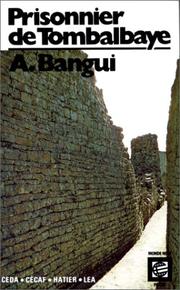
Search results from Open Library.
Recent natural events nearby
Ground air-quality sensors
Recently spotted species
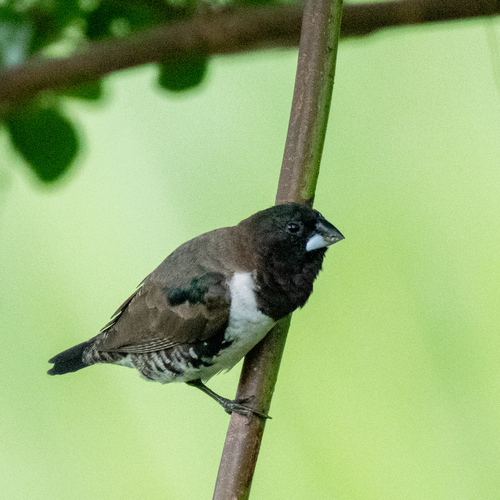
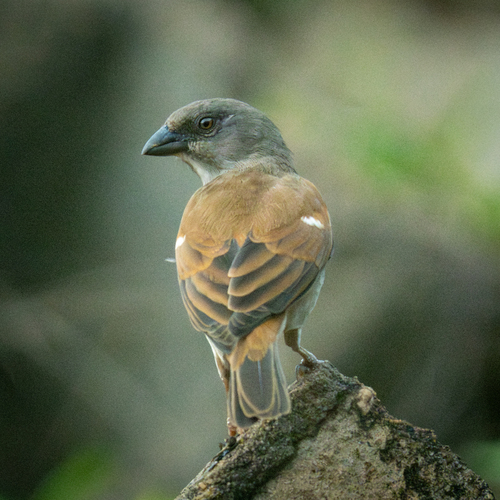
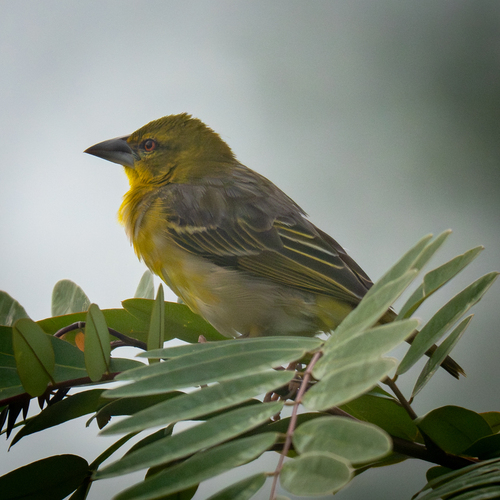
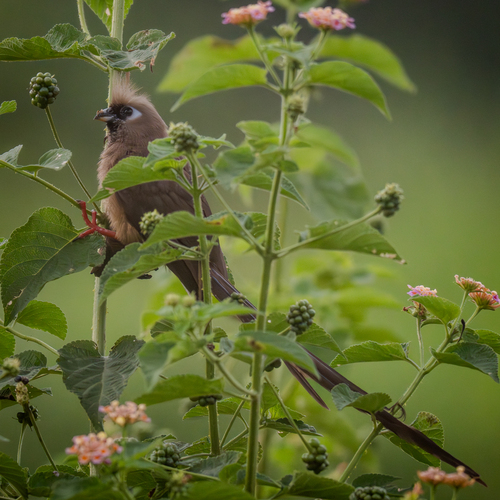
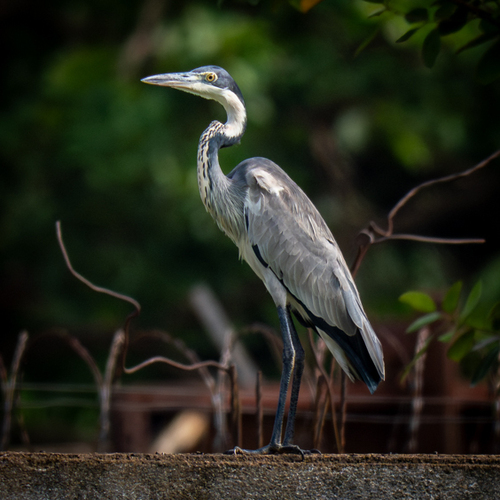
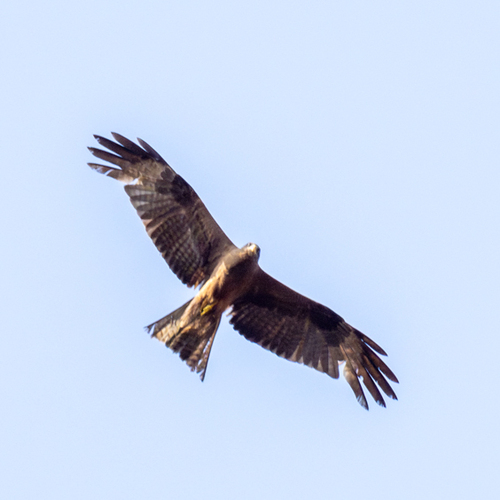
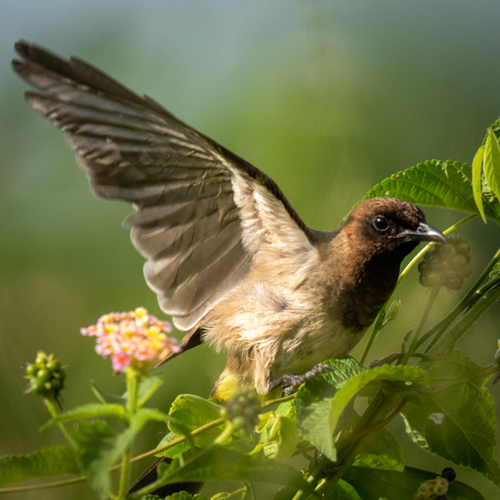
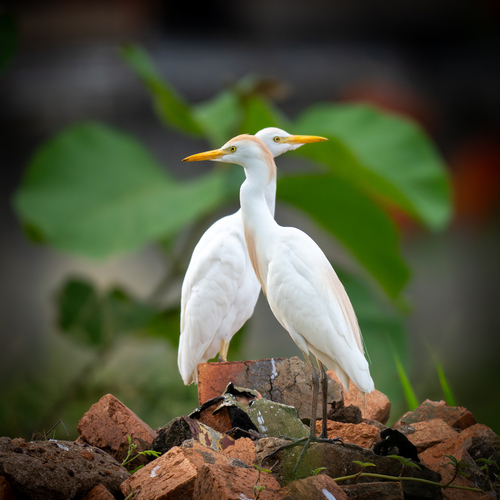
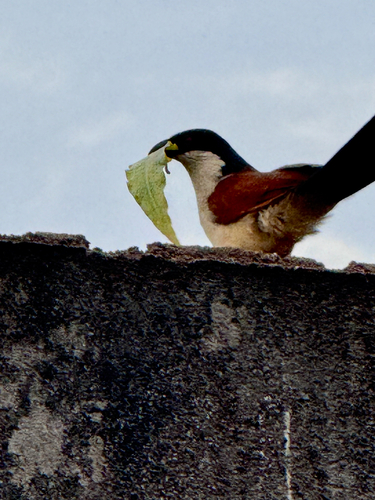
Research-grade observations from iNaturalist (within ~15 mi).
Events
Gallery
Geotagged photos within ~6 miles of Bangui, from Wikimedia Commons contributors.
 0.1 mi
 0.1 mi
 0.1 mi
 0.1 mi
 0.1 mi
 0.2 mi
 0.2 mi
 0.2 mi
 0.2 mi
.jpg) 0.2 mi
0.2 mi.jpg) 0.2 mi
0.2 mi 0.4 mi
 0.4 mi
 0.5 mi
 0.5 mi
 0.5 mi
 0.5 mi
 0.5 mi
 0.6 mi
 0.7 mi
_Solar_annular_eclipse_of_January_15,_2010_in_Bangui,_Central_African_Republic.JPG) 0.7 mi
0.7 mi 0.7 mi
 0.8 mi
 0.8 mi
Photos via Wikimedia Commons — see each image page for license & attribution.
Sources
- • Wikipedia
- • Wikimedia Commons
- • Wikidata
- • Open-Meteo Air Quality (CAMS)
- • USGS Earthquake Catalog (global feed)
- • GBIF (Global Biodiversity Information Facility)
- • iNaturalist
- • Open-Meteo / sunrise-sunset.org
- • Wikipedia Pageviews API
- • Open Library