Browse / China / Hong Kong / Tai Po
Tai Po
Hong Kongtown

Tai Po
Demographic figures from National Bureau of Statistics of China. Overview below cites Wikipedia and may reference a different year.
City facts
Overview
Tai Po is an area in the New Territories of Hong Kong. It refers to the vicinity of the traditional market towns in the area presently known as Tai Po Old Market or Tai Po Kau Hui (大埔舊墟) on the north of Lam Tsuen River and the Tai Po Hui on Fu Shin Street on the south of the Lam Tsuen River, near the old Tai Po Market railway station of the Kowloon-Canton Railway. Both market towns became part of the Tai Po New Town in the late 1970s and early 1980s. In present-day usage, "Tai Po" may refer to the area around the original market towns, the Tai Po New Town, or the entire Tai Po District.
Read more on WikipediaHistory & geography
History
Tai Po as a populated place, could be traced back to the Stone Age. An archaeological site in Yuen Chau Tsai, had discovered stone axe and pottery which was believed to be made in Neolithic era. The indigenous inhabitants of Tai Po lived by clamming and pearl farming in Tai Po Hoi (literally Tai Po Sea; Tolo Harbour) since at least AD 963. Tang clan migrated from the area north of the border of modern-day Hong Kong to the modern-day New Territories of Hong Kong in the Song dynasty of China. A branch of the Tang clan was split from Lung Yeuk Tau of the modern-day New Territories, to establish the village in Tai Po Tau. The Tai Po Tau branch and Lung Yeuk Tau branch also founded the first Tai Po Hui market town (also known as Tai Po Tau Hui), despite it is now defunct and the area now known as Tai Po Old Market. The area around the first market town also lived other people that were not from the Tang clan. They formed an inter-villages alliance Tai Po Tsat Yeuk (literally Tai Po Seven Alliances; each alliance contained one or more villages). The inter-villages alliance founded another market town Tai Wo Shi (literally Tai Wo market) after the Qing government ruled that Tai Po Hui (Tai Po Tau Hui) belonged to Tangs, other clans cannot open shops in Tang's market town. However, Tai Wo Shi replaced the original Tai Po Hui (Tai Po Tau Hui) as the main market and took the name Tai Po Hui (anglicized as Tai Po Market). The old market town thus became Tai Po Kau Hui (anglicized as Tai Po Old Market; ). During the British colonial rule, a District Office, a police station, two railway stations: Tai Po Market railway station and Tai Po Kau railway station (in Tai Po Kau; ) and other public facilities were built within the modern-day area that belongs to the new town and the…
Excerpted from the corresponding Wikipedia article (CC BY-SA).
Geography
Coordinates & boundaries from the US Census TIGER/Line shapefiles.
Climate
Air quality
Walkability
Amenities nearby
Wildlife & biodiversity
Earthquake history
Photos
Sights & places nearby
Notable people from here


People born within ~10 km, from Wikidata (CC0). Click any name for their Wikipedia article.
Geography & sun
Elevation, sunrise/sunset and daylight from Open-Meteo. Solar climatology from NASA POWER.
Nearby airports
Public attention
Pageview totals from the Wikimedia Pageviews API.
Books about Tai Po


Search results from Open Library.
Recent natural events nearby
Ground air-quality sensors
Recently spotted species
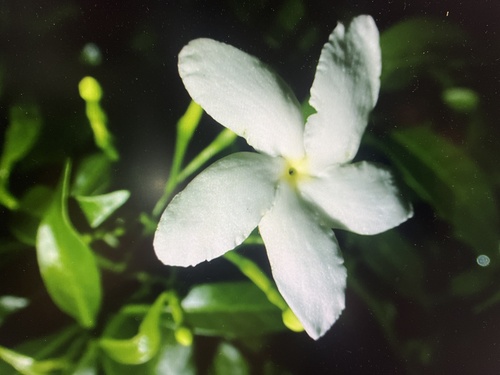
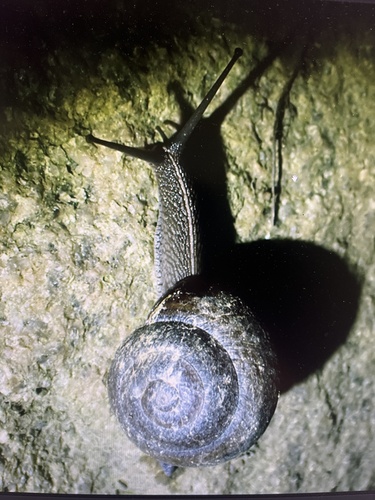

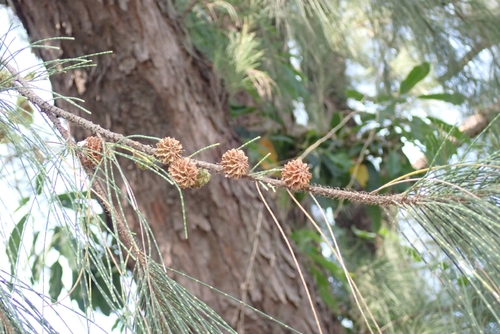
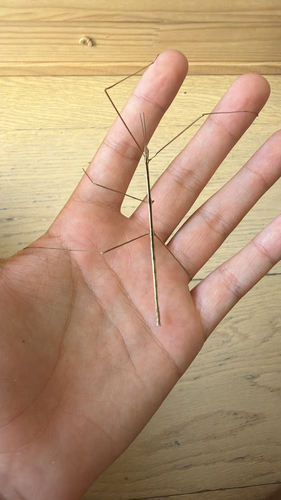
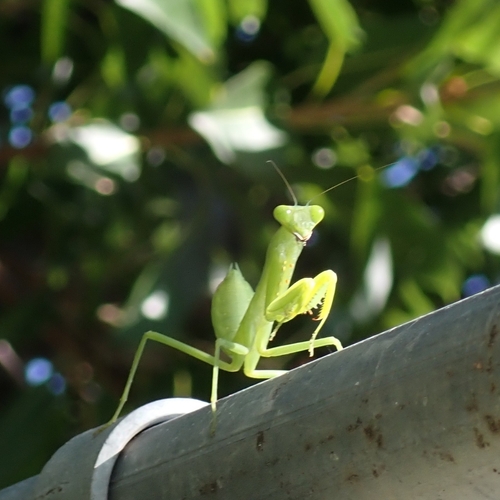

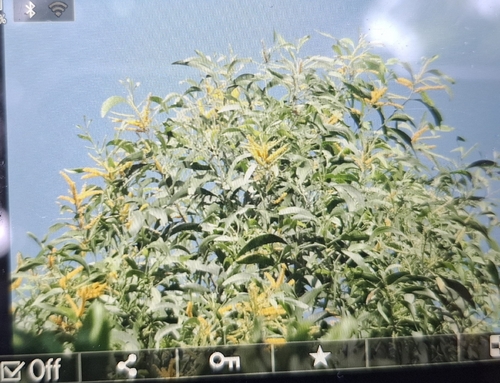

Research-grade observations from iNaturalist (within ~15 mi).
Events
Gallery
Sources
- • Wikipedia
- • Wikidata
- • iNaturalist
- • Open-Meteo / sunrise-sunset.org
- • Wikipedia Pageviews API
- • Open Library