Browse / Germany / Baden-Württemberg / Tübingen
Tübingen
Baden-Württembergtown

Tübingen
Total population
91,239
Founded
1078
Demographic figures from Destatis. Overview below cites Wikipedia and may reference a different year.
City facts
Sister cities
Facts from Wikidata (CC0).
Overview
Tübingen is a traditional university city in central Baden-Württemberg, Germany, 30 km (19 mi) south of the state capital, Stuttgart. With students accounting for almost one in three of Tübingen's 90,000 residents, the city has one of the youngest profiles in Germany, with an average age of just under 40.
Read more on WikipediaHistory & geography
History
The area was probably first settled in the 12th millennium BC. The Romans left some traces here in AD 85, when, in confrontation with the local Alamanni, they built a limes frontier wall at the Neckar River. The local castle, Hohentübingen, has records going back to 1078, when it was besieged by Henry IV, King of Germany. In the middle of the 12th century, the local the Counts of Zollern were raised to Imperial Counts Palatine, with their seat in Tübingen. By 1231, Tübingen was a civitas, indicating recognition by the Crown of civil liberties, a market and a court system. In the later decades of the 13th century, the town saw the establishment an Augustinian, and a Franciscan, monastery, and a Latin school (today's Uhland-Gymnasium). In 1342, the town and castle passed to the Counts of Württemberg. Coinciding with his expulsion of the town's Jewish community, in 1477 Count (later Duke) Eberhard V (Eberhard im Bart) founded the university. The university, for which St George's, built between 1430 and 1470, became the collegiate church (Stiftskirche), developed as one of the most influential places of learning in the Holy Roman Empire, particularly in theology. Today, the Eberhard Karl University is the largest source of income for the residents of the city and one of the biggest universities in Germany with more than 26,000 students. Faced with a popular rebellion, in the Treaty of Tübingen 1514, Eberhard's successor, Duke Ulrich, was obliged to submit to co-governance with the assembled Estates (knights, clergy and burghers) and to concede freedom of movement, profession, and enterprise, achievements that were still being fought for in other German states in 1848. In recognition of the treaty, the town assumed the right to bear the Ducal stag antlers above its…
Excerpted from the corresponding Wikipedia article (CC BY-SA).
Geography
Coordinates & boundaries from the US Census TIGER/Line shapefiles.
Climate
Air quality
Walkability
Amenities nearby
Wildlife & biodiversity
Earthquake history
Photos
Sights & places nearby
Notable people from here


People born within ~10 km, from Wikidata (CC0). Click any name for their Wikipedia article.
Geography & sun
Elevation, sunrise/sunset and daylight from Open-Meteo. Solar climatology from NASA POWER.
Nearby airports
Public attention
Pageview totals from the Wikimedia Pageviews API.
Books about Tübingen
Search results from Open Library.
Recent natural events nearby
Ground air-quality sensors
Recently spotted species
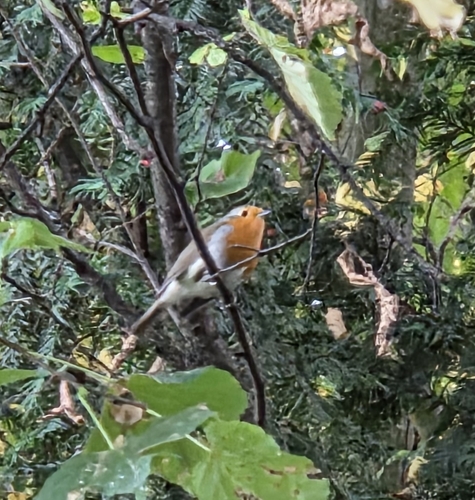

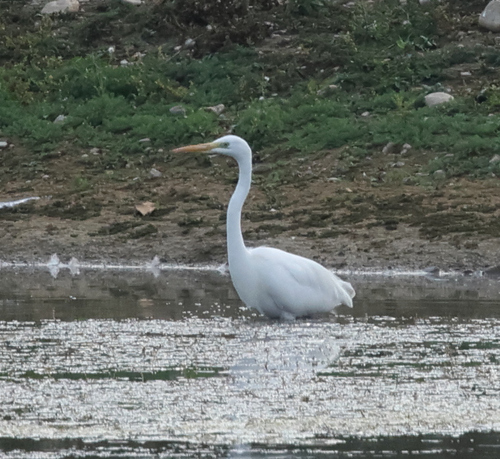

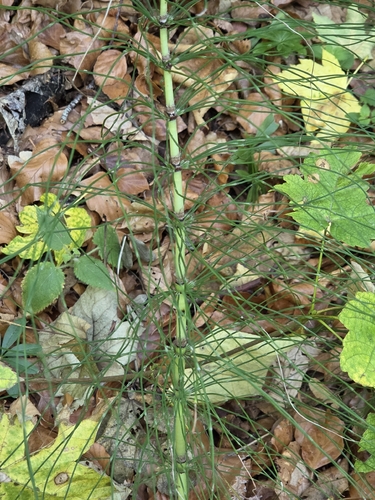



Research-grade observations from iNaturalist (within ~15 mi).
Events
Notable, recurring, and historical events associated with Tübingen, sourced from Wikidata.
- Q134873842festival
Source: Wikidata (CC0).
Gallery
Geotagged photos within ~6 miles of Tübingen, from Wikimedia Commons contributors.


.jpg)
.jpg)


Photos via Wikimedia Commons — see each image page for license & attribution.
Official Identifiers
Destatis — German Federal Statistical Office
- AGS
- 08416041
- Population (Wikidata)
- 93,615
- Wikidata
- Q3806
Amtlicher Gemeindeschlüssel (AGS) via Wikidata P439
Sources
- • Wikipedia
- • Wikimedia Commons
- • Wikidata
- • iNaturalist
- • Open-Meteo / sunrise-sunset.org
- • Wikipedia Pageviews API
- • Open Library
- • Wikidata SPARQL (CC0) — population, area, elevation, inception, head of government, Commons image
- • Destatis — German Federal Statistical Office — Amtlicher Gemeindeschlüssel (AGS) via Wikidata P439