Browse / Egypt / Luxor / Luxor
Luxor
Luxorcity

Luxor
Total population
451,318
Demographic figures from CAPMAS (Egypt). Overview below cites Wikipedia and may reference a different year.
City facts
Facts from Wikidata (CC0).
Overview
Luxor is a city in Upper Egypt. Luxor had a population of 284,952 in 2023, with an area of 43.0 km2 (16.6 sq mi) and is the capital of the Luxor Governorate. Nicknamed the City of a Hundred Gates or the City of the Sun, formerly known as Thebes. It was one of the capitals of Ancient Egypt. The city is among the oldest continuously inhabited cities in the world.
Read more on WikipediaHistory & geography
History
Luxor was the ancient city of Thebes, the capital of Upper Egypt during the New Kingdom, and the city of Amun, later to become the god Amun-Ra. The city was regarded in the ancient Egyptian texts as wAs.t (approximate pronunciation: "Waset"), which meant "city of the sceptre", and later in Demotic Egyptian as ta jpt (conventionally pronounced as "tA ipt" and meaning "the shrine/temple", referring to the jpt-swt, the temple now known by its Arabic name Karnak, meaning "fortified village"), which the ancient Greeks adapted as Thebai and the Romans after them as Thebae. Thebes was also known as "the city of the 100 gates", sometimes being called "southern Heliopolis" ('Iunu-shemaa' in Ancient Egyptian), to distinguish it from the city of Iunu or Heliopolis, the main place of worship for the god Ra in the north. It was also often referred to as niw.t, which simply means "city", and was one of only three cities in Egypt for which this noun was used (the other two were Memphis and Heliopolis); it was also called niw.t rst, "southern city", as the southernmost of them. The importance of Luxor started as early as the 11th Dynasty, when the community grew into a thriving city. Montuhotep II, who united Egypt after the troubles of the First Intermediate Period, brought stability to the lands as the city grew in stature. The Pharaohs of the New Kingdom in their expeditions to Kush, in today's northern Sudan, and to the lands of Canaan, Phoenicia and Syria saw the city accumulate great wealth and rose to prominence, even on a world scale. On the same day in November 2018, two different discoveries were announced. One was by the Egyptian Supreme Council of Antiquities that had found a 13th-century tomb on the West Bank belonging to Thaw-Irkhet-If, the overseer of the…
Geography
Approximately 4,000 years ago, a significant alteration in the geography of the Nile River occurred, particularly in the region near modern-day Luxor. This transformation involved the expansion of the floodplain, which increased the availability of arable land. This geographic and environmental shift likely played a crucial role in supporting the agricultural productivity that underpinned the prosperity and stability of ancient Egyptian civilization during that period and over the years. Luxor has a hot desert climate (Köppen climate classification BWh) like the rest of Egypt. Aswan and Luxor have the hottest summer days of any city in Egypt. Aswan and Luxor have nearly the same climate. Luxor is one of the sunniest and driest cities in the world. Average high temperatures are above during summer (June, July, August). During the coolest month of the year, average high temperatures remain above while average low temperatures remain above . The climate of Luxor has precipitation levels lower than even most other places in the Sahara, with less than of average annual precipitation. The desert city is one of the driest ones in the world, and rainfall does not occur every year. The air in Luxor is more humid than in Aswan, but still very dry. There is an average relative humidity of 39.9%, with a maximum mean of 57% during winter and a minimum mean of 27% during summer. The climate of Luxor is extremely clear, bright, and sunny year-round, in all seasons, with a low seasonal variation, with about 4,000 hours of annual sunshine, very close to the maximum theoretical sunshine duration. In addition, Luxor, Minya, Sohag, Qena, and Asyut have the widest difference of temperatures between days and nights of any city in Egypt, with almost difference. The hottest…
Excerpted from the corresponding Wikipedia article (CC BY-SA).
Geography
Coordinates & boundaries from the US Census TIGER/Line shapefiles.
Climate
Air quality
Walkability
Amenities nearby
Wildlife & biodiversity
Earthquake history
Photos
Sights & places nearby
Notable people from here


People born within ~10 km, from Wikidata (CC0). Click any name for their Wikipedia article.
Geography & sun
Elevation, sunrise/sunset and daylight from Open-Meteo. Solar climatology from NASA POWER.
Nearby airports
Public attention
Pageview totals from the Wikimedia Pageviews API.
Books about Luxor


Search results from Open Library.
Recent natural events nearby
Ground air-quality sensors
Recently spotted species

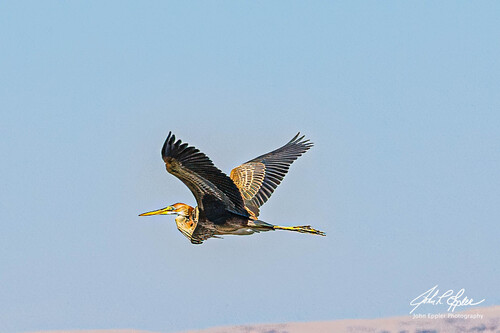

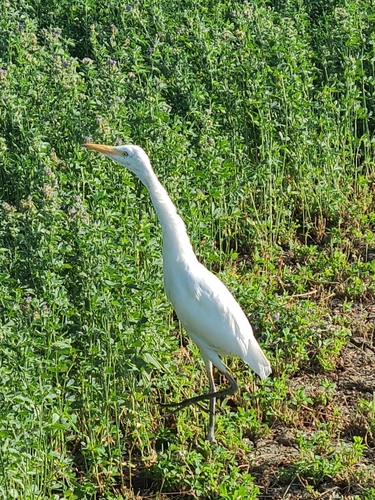
Research-grade observations from iNaturalist (within ~15 mi).
Events
Notable, recurring, and historical events associated with Luxor, sourced from Wikidata.
- 3-Cushion World Cup 2017-2Mar 26, 2017sporting event
- Q23558613Mar 27, 2016sporting event
- Q19631148Mar 29, 2015sporting event
- Q15906196Mar 23, 2014sporting event
- Oct 22, 1979
Source: Wikidata (CC0).
Gallery
Sources
- • Wikipedia
- • Wikidata
- • iNaturalist
- • Open-Meteo / sunrise-sunset.org
- • Wikipedia Pageviews API
- • Open Library