Browse / Spain / Andalusia / Cádiz
Cádiz
Andalusiacity

Cádiz
Total population
110,123
Air quality index
Demographic figures from INE (Spain). Overview below cites Wikipedia and may reference a different year.
City facts
Sister cities
Facts from Wikidata (CC0).
Overview
Cádiz is a city in Spain and the capital of the province of Cádiz in the autonomous community of Andalusia. It is located in the southwest of the Iberian Peninsula off the Atlantic Ocean separated from neighbouring San Fernando by a narrow isthmus. One of the oldest continuously inhabited cities in Western Europe, Cádiz was founded by the Phoenicians as a trading post. In the 18th century, the port in the Bay of Cádiz consolidated itself as the main harbour of mainland Spain during the Spanish Empire, enjoying the virtual monopoly of trade with the Americas until 1778. It is also the site of the University of Cádiz.
Read more on WikipediaHistory & geography
History
Founded as Gadir or Agadir by Phoenicians from Tyre, Cádiz is often regarded as the most ancient city still standing in Western Europe. The city was an important trading hub founded to access different metals including gold, tin, and especially silver. Traditionally, Cádiz's founding is dated to 1100 BC, although no archaeological strata on the site can be dated earlier than the 9th century BC. One resolution for this discrepancy has been to assume that Gadir was merely a small seasonal trading post in its earliest days. Ancient Gadir occupied two small islands—Erytheia, primarily a settlement, and Kotinoussa, hosting cemeteries and sanctuaries outside the urban area—situated near the mouth of River Guadalete. Presently, these islands are interconnected. While the ancient ruins of Gadir beneath modern Cádiz's historical center remain largely unexcavated, excavations have been carried out in the southern cemeteries. By the 6th century BC, disturbances within Phoenicia itself, notably the fall of Tyre to the Babylonians (573 BC), led to the end of Phoenician control over southern Iberia. This vacuum was later filled by ancient Carthage, which rose as a predominant power in the region during subsequent eras. The expeditions of Himilco around Spain and France and of Hanno around Western Africa began there. The Phoenician settlement traded with Tartessos, a city-state whose exact location remains unknown but is thought to have been somewhere near the mouth of the Guadalquivir River. One of the city's notable features during antiquity was the temple on the south end of its island dedicated to the Phoenician god Melqart, who was conflated with Hercules by the Greeks and Romans under the names "Tyrian Hercules" and "Hercules Gaditanus". It had an oracle and was famed for…
Excerpted from the corresponding Wikipedia article (CC BY-SA).
Geography
Coordinates & boundaries from the US Census TIGER/Line shapefiles.
Climate
Air quality
Current readings from Open-Meteo Air Quality API (Copernicus CAMS European reanalysis).
Walkability
Amenities nearby
Wildlife & biodiversity
Most-observed species
- Yellow-legged GullLarus michahellis J.F.Naumann, 1840 · Aves10,872
- House SparrowPasser domesticus (Linnaeus, 1758) · Aves9,366
- Eurasian BlackbirdTurdus merula Linnaeus, 1758 · Aves7,181
- Eurasian Collared-DoveStreptopelia decaocto (Frivaldszky, 1838) · Aves6,864
- Sardinian WarblerCurruca melanocephala (J.F.Gmelin, 1789) · Aves6,663
- Common Wood-PigeonColumba palumbus Linnaeus, 1758 · Aves6,194
- Eurasian MagpiePica pica (Linnaeus, 1758) · Aves5,527
- European GoldfinchCarduelis carduelis (Linnaeus, 1758) · Aves5,374
Citizen-science & research observations from the Global Biodiversity Information Facility (GBIF).
Earthquake history
Most recent
- M 4 — 2026-02-133 km S of Cortes de la Frontera, Spain
- M 3.9 — 2020-10-163 km NNW of Cortes de la Frontera, Spain
- M 4 — 2018-04-269 km SW of Cortes de la Frontera, Spain
- M 3.8 — 2016-08-31Strait of Gibraltar
- M 4.6 — 2014-08-191 km WNW of Puerto Serrano, Spain
- M 3.5 — 2013-11-275 km SSE of Manilva, Spain
Events from the USGS Earthquake Catalog (global) (FDSN Event Web Service).
Photos
Sights & places nearby
Notable people from here


People born within ~10 km, from Wikidata (CC0). Click any name for their Wikipedia article.
Nearby places in Andalusia
- Medina Sidonia20.9 mi away · pop. 10,106
- Paterna de Rivera23.8 mi away · pop. 5,342
- Benalup-Casas Viejas29.5 mi away · pop. 7,012
- Lebrija29.5 mi away · pop. 27,332
- Arcos de la Frontera30.8 mi away · pop. 21,947
- Alcalá de los Gazules32 mi away · pop. 4,913
- Espera35.9 mi away · pop. 3,587
- Marismillas36.1 mi away · pop. 1,442
- Facinas42.4 mi away · pop. 1,192
- El Rocío43 mi away · pop. 1,569
- El Trobal44.2 mi away · pop. 1,027
- Jimena de la Frontera47.2 mi away · pop. 2,873
Geography & sun
Elevation, sunrise/sunset and daylight from Open-Meteo. Solar climatology from NASA POWER.
Nearby airports
Public attention
Pageview totals from the Wikimedia Pageviews API.
Books about Cádiz
Search results from Open Library.
Recent natural events nearby
Ground air-quality sensors
Recently spotted species
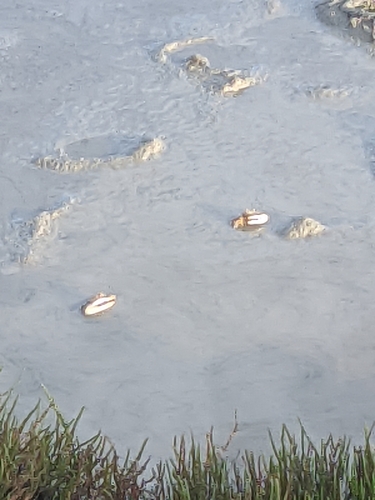
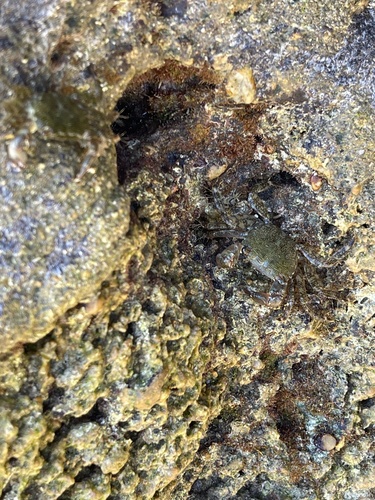
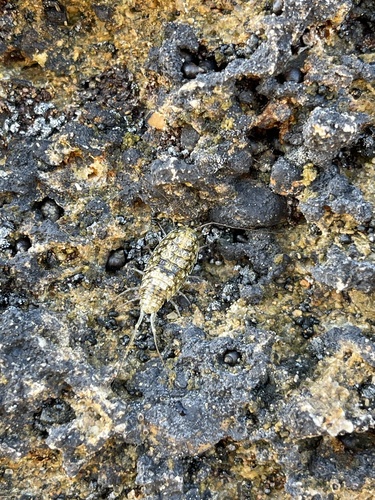
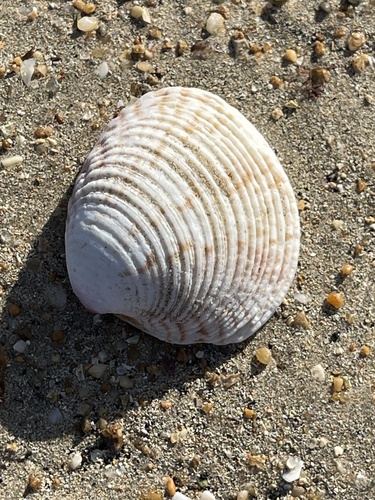
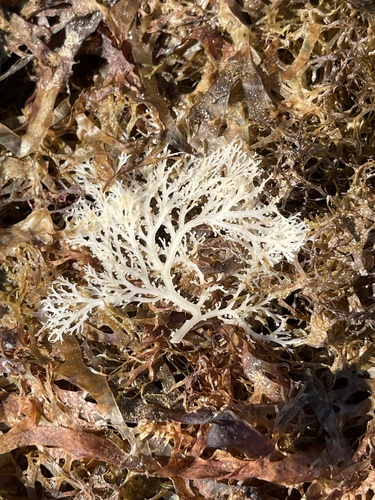
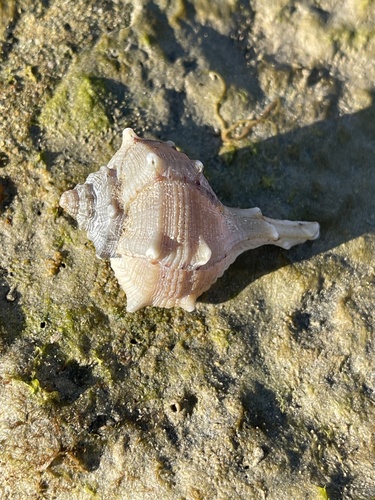
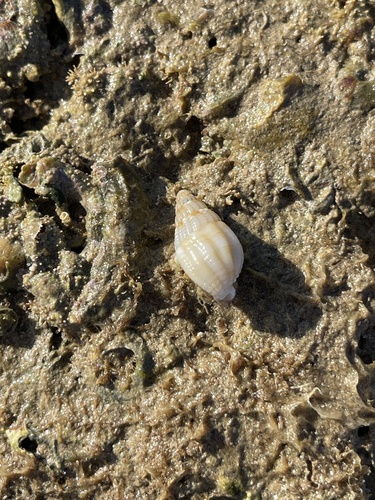
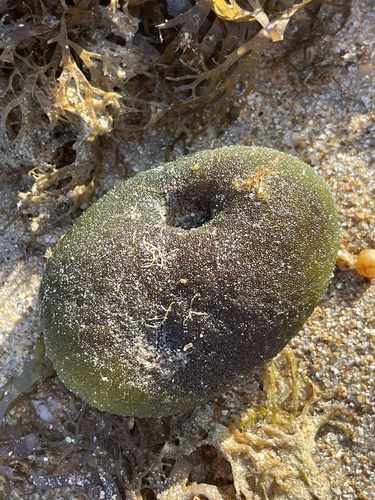
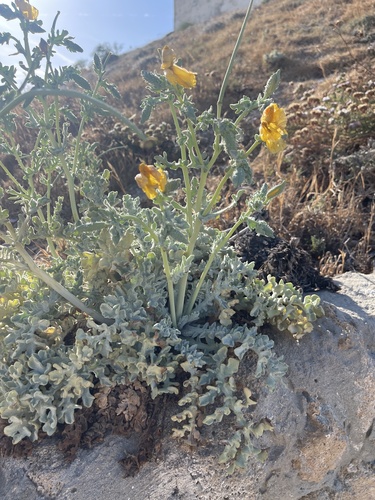
Research-grade observations from iNaturalist (within ~15 mi).
Events
Notable, recurring, and historical events associated with Cádiz, sourced from Wikidata.
- Q6168905Nov 16, 2012recurring event edition
- Jun 19, 2011
Source: Wikidata (CC0).
Gallery
Official Identifiers
INE — Spanish National Statistics
- INE code
- 11012
- Population (Wikidata)
- 109,950
- Wikidata
- Q15682
Municipality codes via Wikidata P772
Sources
- • Wikipedia
- • Wikidata
- • Open-Meteo Air Quality (CAMS)
- • USGS Earthquake Catalog (global feed)
- • GBIF (Global Biodiversity Information Facility)
- • iNaturalist
- • Open-Meteo / sunrise-sunset.org
- • Wikipedia Pageviews API
- • Open Library
- • INE — Spanish national statistics, municipality code via Wikidata P772
- • INE — Spanish National Statistics — Municipality codes via Wikidata P772