Browse / Spain / Andalusia / Carmona
Carmona
Andalusiatown

Carmona
Total population
22,901
Demographic figures from INE (Spain). Overview below cites Wikipedia and may reference a different year.
City facts
Sister cities
Facts from Wikidata (CC0).
Overview
Carmona is a town of southwestern Spain, in the province of Seville; it lies 33 km north-east of Seville.
Read more on WikipediaHistory & geography
History
Carmona was originally a Tartessian-Turdetani settlement. With the arrival of Phoenician traders from Tyre, Carmona was transformed into a city, known by them Qrt-Ḥmn (), meaning "City of Hammon". Centuries later, it became a Roman stronghold of Hispania Baetica. It was known as Carmo in the time of Julius Caesar (100–44 BC). The city was further fortified during the long occupation of the Moors, who erected walls around it, and built fountains and palaces within. Following the demise of the Caliphate of Córdoba in the early 11th century, Carmona (Qarmūna) was seized by Hammudid Berbers, and then by the also Berber Birzalid clan, becoming the head of the Taifa of Carmona, a petty kingdom, which was conquered by the Abbadid Taifa of Seville by 1067. An Almoravid stronghold after the Almoravid conquest of the Taifa of Seville, it was finally subdued by the Almohads after a settlement. It was briefly occupied by Ibn Hamusk, before reverting to the Almohads in 1161. In 1247, Ferdinand III of Castile captured the town, and bestowed on it the Latin motto ("As the Morning-star shines in the Dawn, so shines Carmona in Andalusia"). Towards the end of the 15th century Carmona had an estimated population of about 8,000. By the dawn of the Early Modern period, Carmona's economy was agriculture-based, with the town featuring many latifundia, often entitled to non-local landowners, and a substantial fraction of non-active population. The 19th century desamortizaciones led to the creation of a new landowning class that came to be historiographically designated as "agrarian bourgeoisie". The population boomed in the mid 20th century.
Geography
Carmona is located in the southwest of the Iberian Peninsula. It lies at about 249 metres above sea level, on a NE–SO ridge at the northeastern end of Los Alcores tableland, dominating over the meadows of the river, a left-bank tributary of the Guadalquivir. Carmona has a Mediterranean climate with a sunny spring and typically some rain in that season. In October, the average temperature ranges from a minimum of 13 °C to a maximum of 26 °C. The city experiences a moderate level of annual precipitation and has pleasant winter temperatures.
Excerpted from the corresponding Wikipedia article (CC BY-SA).
Geography
Coordinates & boundaries from the US Census TIGER/Line shapefiles.
Climate
Air quality
Walkability
Amenities nearby
Wildlife & biodiversity
Earthquake history
Photos
Sights & places nearby
Notable people from here


People born within ~10 km, from Wikidata (CC0). Click any name for their Wikipedia article.
Geography & sun
Elevation, sunrise/sunset and daylight from Open-Meteo. Solar climatology from NASA POWER.
Nearby airports
Public attention
Pageview totals from the Wikimedia Pageviews API.
Books about Carmona
Search results from Open Library.
Recent natural events nearby
Ground air-quality sensors
Recently spotted species
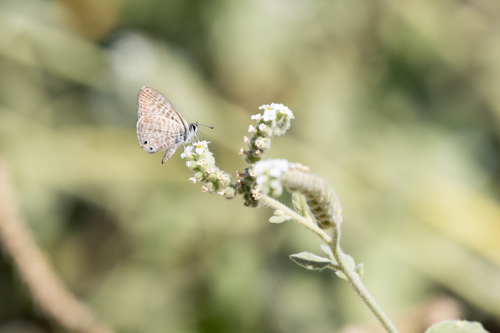
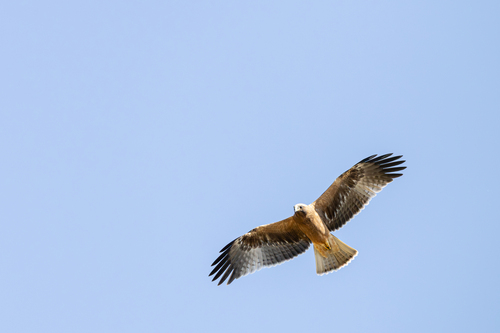
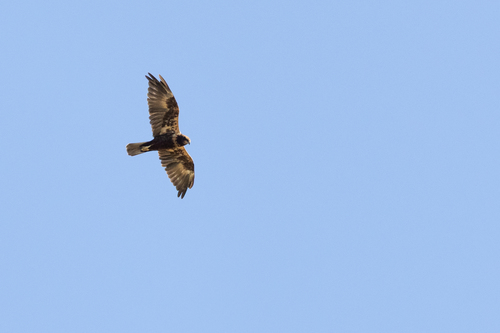
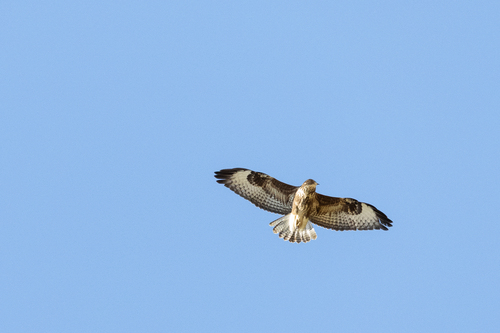
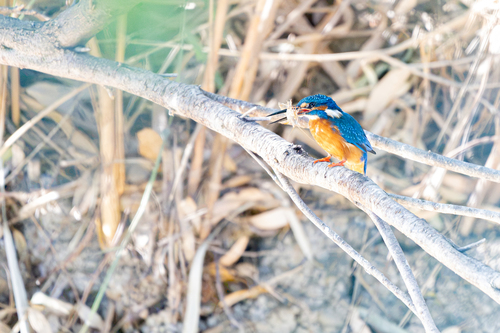
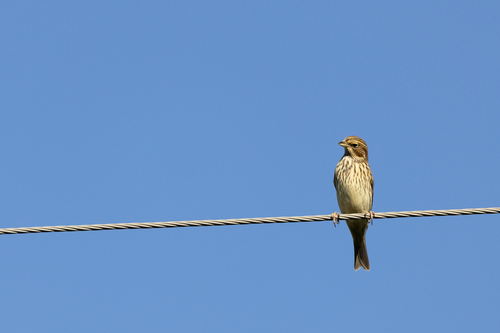
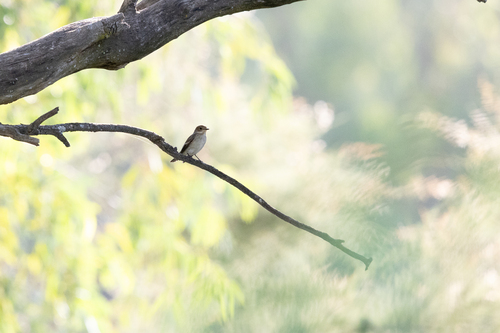
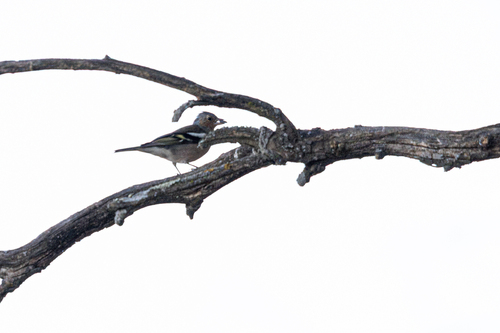
Research-grade observations from iNaturalist (within ~15 mi).
Events
Gallery
Sources
- • Wikipedia
- • Wikidata
- • iNaturalist
- • Open-Meteo / sunrise-sunset.org
- • Wikipedia Pageviews API
- • Open Library