Browse / Spain / Andalusia / Íllora
Íllora
Andalusiatown

Íllora
Total population
4,891
Demographic figures from INE (Spain). Overview below cites Wikipedia and may reference a different year.
City facts
Facts from Wikidata (CC0).
Overview
Íllora is a municipality in the province of Granada, located in Andalucia. Spain. It is surrounded by the following villages: Moclín, Pinos Puente, Valderrubio, Moraleda de Zafayona, Villanueva Mesía, Montefrío, and with the municipality of Alcalá la Real. The municipality consists of Íllora, Alomartes, Tocón, Escóznar, Obéilar- also known as La Estación de Íllora–, Brácana, Ventas de Algarra, Vallequemado and La Alhondiguilla.
Read more on WikipediaHistory & geography
History
Some archaeological discoveries have been found in Íllora belonging to the prehistory, the Neolithic and mainly of the Copper Age. Towards the year 600 BC the Carthaginians landed in the Iberian Peninsula imposing their authority on the Phoenicians and, with a clever policy, consolidate the foundations of their empire, including Illurco. With the arrival of the Romans the colonies settle in already existing villages. Of them, Plinio points out among the most celebrated of the interior to Illurco. During the Muslim conquest there are few data on Íllora; nevertheless, it is deduced from the Christian chronicles that it must have been an important town with fortress and suburbs. Precisely in June 1319 infants Pedro and Juan of Castille seized the town of Íllora and its suburb when they went to devastate the Vega de Granada, and according to the Alfonso XI, if they had stayed another day they would also have taken his castle, although the infante Pedro did not want to stay there any longer, because his will was to besiege Granada and keep it surrounded «until they win it, or die on it», as recorded in the Grand Chronicle of the same king, although shortly after both infants died in the Disaster of the Fertile valley of Granada, happened the 25 of June 1319. In June 1319, when the Vega de Granada was being devastated, the town of Íllora came into the possession of the infantes Pedro and Juan de Castilla. If they would have stayed one more day, affirms the Chronicle of Alfonso XI, they would have also taken its castle. The infante Pedro did not want to stay anymore, as his main ambition was to isolate Granada until they seized it. However, both infantes were killed in the valley of Granada disaster, which occurred 25 June 1319. In the spring of 1486 King Ferdinand of…
Excerpted from the corresponding Wikipedia article (CC BY-SA).
Geography
Coordinates & boundaries from the US Census TIGER/Line shapefiles.
Climate
Air quality
Walkability
Amenities nearby
Wildlife & biodiversity
Earthquake history
Photos
Sights & places nearby
Notable people from here
Nearby places in Andalusia
- Valderrubio4.8 mi away · pop. 2,053
- Moclín6.3 mi away · pop. 232
- Láchar6.9 mi away · pop. 3,128
- Fuente Vaqueros7.1 mi away · pop. 4,630
- Montefrío7.6 mi away · pop. 3,944
- Pinos Puente7.6 mi away · pop. 6,877
- Moraleda de Zafayona9.4 mi away · pop. 1,774
- Colomera10.7 mi away · pop. 1,077
- Huétor Tájar11.2 mi away · pop. 9,722
- Chimeneas11.3 mi away · pop. 909
- Purchil14.2 mi away · pop. 2,440
- Peligros14.4 mi away · pop. 10,513
Geography & sun
Elevation, sunrise/sunset and daylight from Open-Meteo. Solar climatology from NASA POWER.
Nearby airports
Public attention
Pageview totals from the Wikimedia Pageviews API.
Books about this place
Recent natural events nearby
Ground air-quality sensors
Recently spotted species
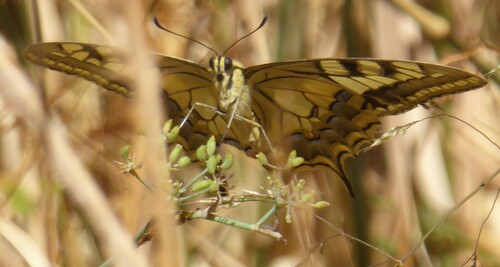
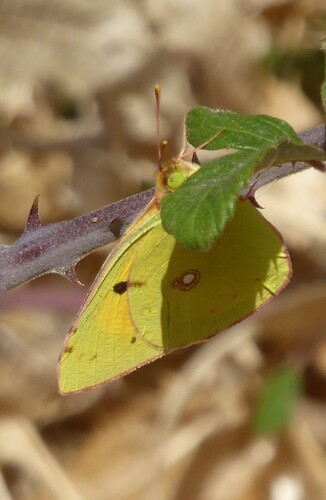
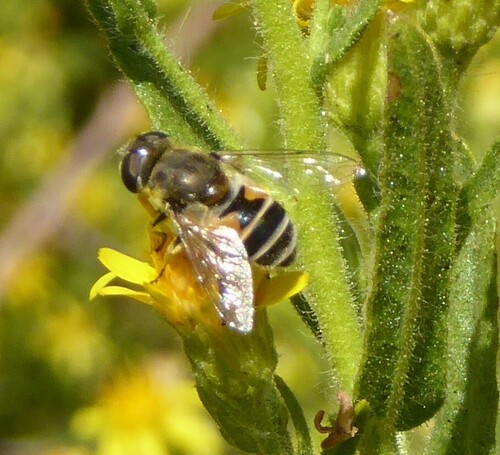
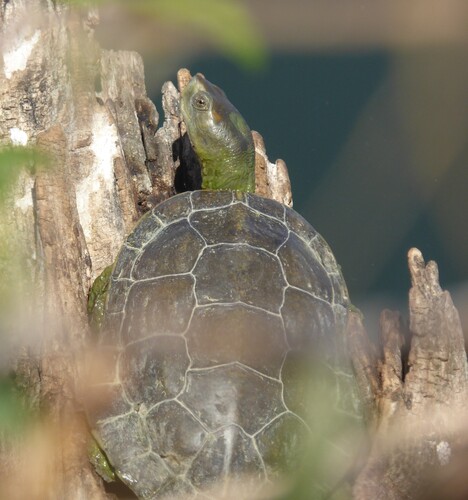
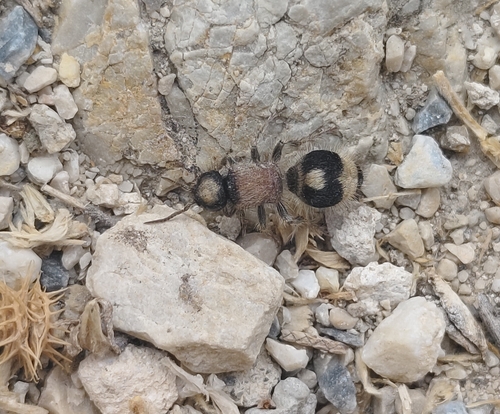
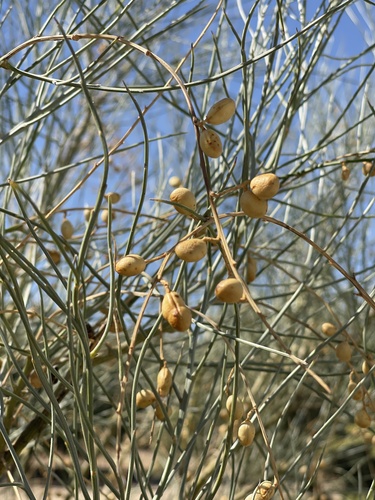
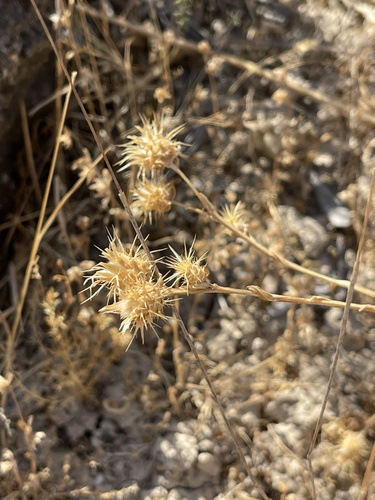
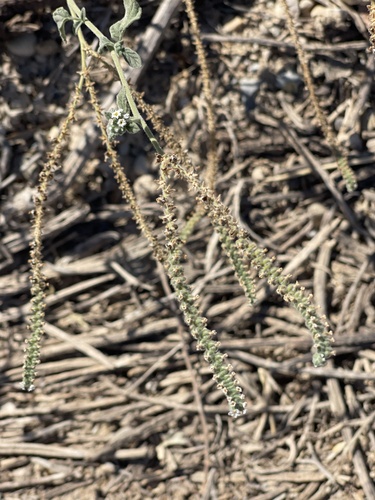
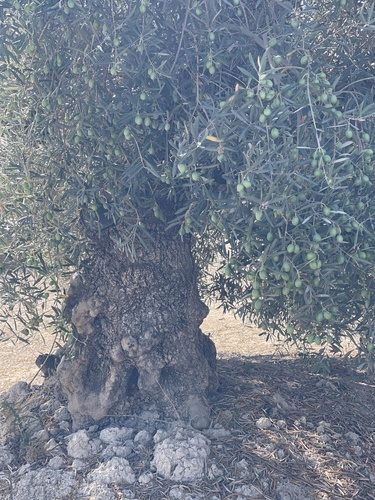
Research-grade observations from iNaturalist (within ~15 mi).
Events
Gallery
Sources
- • Wikipedia
- • Wikidata
- • iNaturalist
- • Open-Meteo / sunrise-sunset.org
- • Wikipedia Pageviews API