Browse / Spain / Andalusia / Olvera
Olvera
Andalusiatown

Olvera
Total population
7,637
Demographic figures from INE (Spain). Overview below cites Wikipedia and may reference a different year.
City facts
Facts from Wikidata (CC0).
Overview
Olvera is a town in the province of Cádiz, Andalusia, Spain. According to the 2005 census, the city has a population of 8,585 inhabitants.
Read more on WikipediaHistory & geography
History
There is a lack of specific data and studies into the true origin of the town. This means it is of conjecture to historians, some thinking that the present city was an establishment named Caricus, about the time of the Celts. Professor Ramos Santana posits that the legendary Cenosia, the original name of Olvera, located near the present city centre, was known as Vallehermoso (beautiful valley), existing at the time of the Visigoths. In this area of the mountain range of Sierra de Lijar are numerous Roman camps and remains. The archaeologist Lorenzo Perdigones' report (1986) shows the existence of a Roman establishment in the area, dated the end of 3rd century B.C. Indeed, the foundations of the city castle were found to be Roman, during the removal of some of the rubble. The original name of Olvera could be "Ilipa", (established by geographically adjusting in a map of Roman Spain, published in 1879, between Morón and Ronda). Hippa and Hippo Nova are likely names of the original village. But the first demonstrably reliable origin of Olvera is within Muslim documentation, in the mid 12th Century, when it is chronicled as an outpost in the mountains called "WUBIRA" or "URIWILA" (year 1327) when king Alfonso XI wrested it from the Arabs. As part of the Christian conquest plans emanating from Seville, Olvera formed part of the advance strategy towards the Straits of Gibraltar to prevent the reinsurgence of Muslims. In one first expedition the Christians lost the banner of Seville that flew in Olvera castle. After the negotiations that followed the surrender of the town, Ibrahim-ibn-Utmain secured concessions, in respect of the Moors of Olvera, that each one of the inhabitants could keep their houses and goods. The village was repopulated through a decree, a 'Letter of…
Excerpted from the corresponding Wikipedia article (CC BY-SA).
Geography
Coordinates & boundaries from the US Census TIGER/Line shapefiles.
Climate
Air quality
Walkability
Amenities nearby
Wildlife & biodiversity
Most-observed species
- Eurasian GriffonGyps fulvus (Hablizl, 1783) · Aves1,509
- Common ChaffinchFringilla coelebs Linnaeus, 1758 · Aves1,028
- European GoldfinchCarduelis carduelis (Linnaeus, 1758) · Aves1,022
- Eurasian BlackbirdTurdus merula Linnaeus, 1758 · Aves1,014
- Sardinian WarblerCurruca melanocephala (J.F.Gmelin, 1789) · Aves964
- Great TitParus major Linnaeus, 1758 · Aves930
- Eurasian Blue TitCyanistes caeruleus (Linnaeus, 1758) · Aves847
- House SparrowPasser domesticus (Linnaeus, 1758) · Aves830
Citizen-science & research observations from the Global Biodiversity Information Facility (GBIF).
Earthquake history
Photos
Sights & places nearby
Notable people from here


People born within ~10 km, from Wikidata (CC0). Click any name for their Wikipedia article.
Nearby places in Andalusia
- El Gastor6.5 mi away · pop. 1,458
- Algodonales8.9 mi away · pop. 4,805
- Montejaque13.9 mi away · pop. 918
- Almargen14 mi away · pop. 1,842
- Benaoján14.9 mi away · pop. 1,376
- Serrato15.8 mi away · pop. 458
- Morón de la Frontera16.8 mi away · pop. 25,564
- Villaluenga del Rosario17.9 mi away · pop. 464
- Jimera de Líbar19.6 mi away · pop. 275
- El Burgo19.9 mi away · pop. 1,518
- La Puebla de Cazalla20 mi away · pop. 10,705
- Atajate20.4 mi away · pop. 173
Geography & sun
Elevation, sunrise/sunset and daylight from Open-Meteo. Solar climatology from NASA POWER.
Nearby airports
Public attention
Pageview totals from the Wikimedia Pageviews API.
Books about Olvera
Search results from Open Library.
Recent natural events nearby
Ground air-quality sensors
Recently spotted species
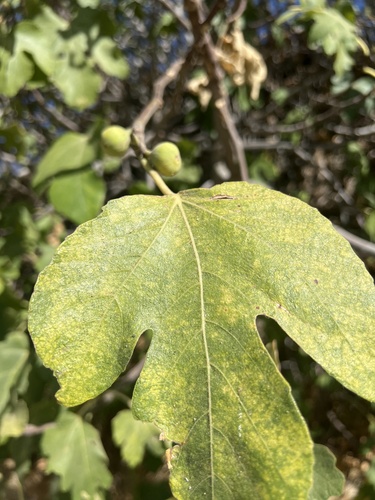
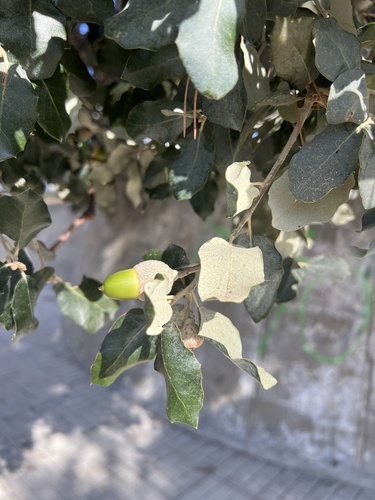
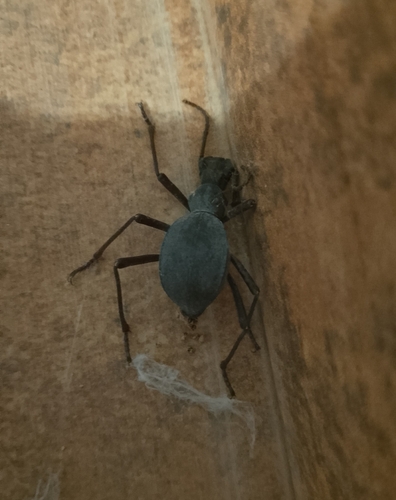
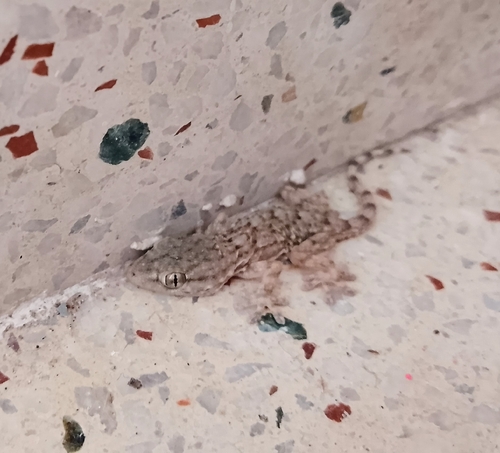
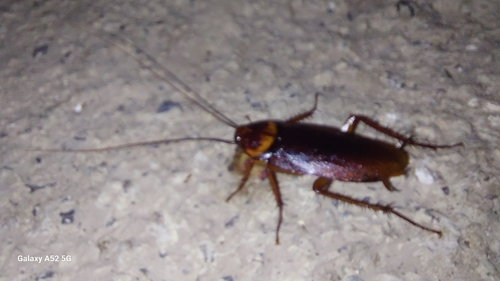
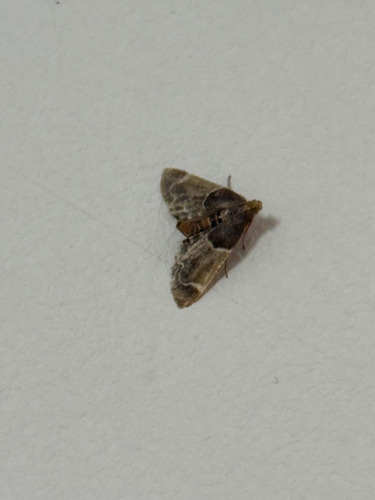
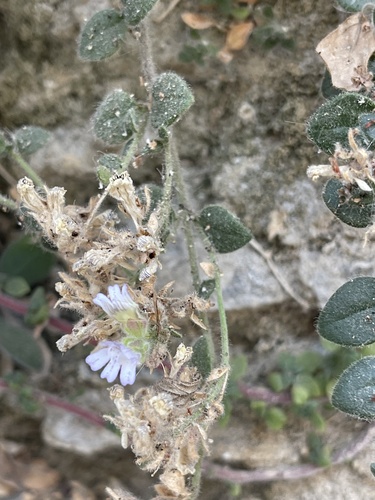
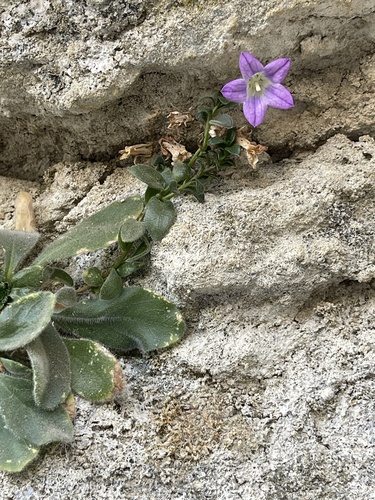
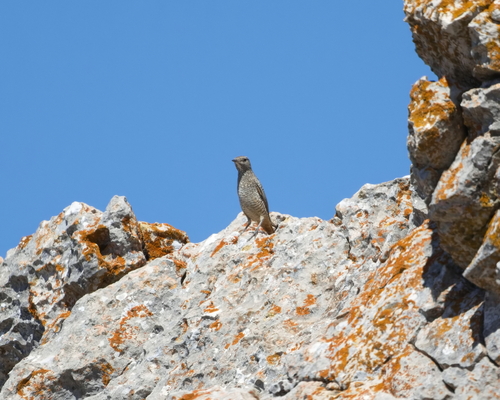
Research-grade observations from iNaturalist (within ~15 mi).
Events
Gallery
Sources
- • Wikipedia
- • Wikidata
- • GBIF (Global Biodiversity Information Facility)
- • iNaturalist
- • Open-Meteo / sunrise-sunset.org
- • Wikipedia Pageviews API
- • Open Library