Browse / Spain / Catalonia / Salt
Salt
Cataloniatown

Salt
Total population
34,585
Demographic figures from INE (Spain). Overview below cites Wikipedia and may reference a different year.
City facts
Overview
Salt is a mineral composed primarily of sodium chloride (NaCl). When used in food, especially in granulated form, it is more formally called table salt. In the form of a natural crystalline mineral, salt is also known as rock salt or halite. Salt is essential for life in general, and saltiness is one of the basic human tastes. Salt is one of the oldest and most ubiquitous food seasonings, and is known to uniformly improve the taste perception of food. Salting, brining, and pickling are ancient and important methods of food preservation.
Read more on WikipediaHistory & geography
History
All through history, the availability of salt has been pivotal to civilization. What is now thought to have been the first city in Europe is Solnitsata, in Bulgaria, which was a salt mine, providing the area now known as the Balkans with salt since 5400 BC. Salt was the best-known food preservative, especially for meat, for many thousands of years. A very ancient salt-works operation has been discovered at the Poiana Slatinei archaeological site next to a salt spring in Lunca, Neamț County, Romania. Evidence indicates that Neolithic people of the Precucuteni Culture were boiling the salt-laden spring water through the process of briquetage to extract salt as far back as 6050 BC. The salt extracted from this operation may have directly correlated with the rapid growth of this society's population soon after production began. The harvest of salt from the surface of Xiechi Lake near Yuncheng in Shanxi, China, dates back to at least 6000 BC, making it one of the oldest verifiable saltworks. There is more salt in animal tissues, such as meat, blood, and milk, than in plant tissues. With the spread of civilization, salt became one of the world's main trading commodities. It was of high value to the ancient Hebrews, the Greeks, the Romans, the Byzantines, the Hittites and other peoples of antiquity. In the Middle East, salt was used to seal an agreement ceremonially, and the ancient Hebrews made a "covenant of salt" with God and sprinkled salt on their offerings to show their trust in him. An ancient practice in time of war was salting the earth: scattering salt around in a defeated city to symbolically prevent plant growth. The Bible tells the story of King Abimelech who was ordered by God to do this at Shechem. Texts claim that the Roman general Scipio Aemilianus…
Excerpted from the corresponding Wikipedia article (CC BY-SA).
Geography
Coordinates & boundaries from the US Census TIGER/Line shapefiles.
Climate
Air quality
Walkability
Amenities nearby
Wildlife & biodiversity
Most-observed species
- Common Wood-PigeonColumba palumbus Linnaeus, 1758 · Aves2,431
- House SparrowPasser domesticus (Linnaeus, 1758) · Aves2,146
- European RobinErithacus rubecula (Linnaeus, 1758) · Aves1,984
- Great TitParus major Linnaeus, 1758 · Aves1,940
- European StarlingSturnus vulgaris Linnaeus, 1758 · Aves1,897
- Eurasian MagpiePica pica (Linnaeus, 1758) · Aves1,856
- White WagtailMotacilla alba Linnaeus, 1758 · Aves1,653
- Eurasian Blue TitCyanistes caeruleus (Linnaeus, 1758) · Aves1,636
Citizen-science & research observations from the Global Biodiversity Information Facility (GBIF).
Earthquake history
Most recent
- M 4.1 — 2015-10-298 km ENE of l'Escala, Spain
- M 4.1 — 2010-12-194 km W of Llagostera, Spain
- M 2.5 — 2008-12-298 km NNE of Éller, Spain
- M 2.8 — 2008-08-2714 km S of Quillan, France
- M 3.8 — 2008-08-16Spain
- M 2.5 — 2008-08-0816 km ENE of Cadaqués, Spain
Events from the USGS Earthquake Catalog (global) (FDSN Event Web Service).
Photos
Sights & places nearby
Notable people from here


People born within ~10 km, from Wikidata (CC0). Click any name for their Wikipedia article.
Nearby places in Catalonia
- Sant Gregori2.3 mi away · pop. 2,895
- Aiguaviva3 mi away · pop. 376
- Sarrià de Ter3 mi away · pop. 5,359
- Llambilles4.8 mi away · pop. 161
- Juià6.5 mi away · pop. 146
- Bonmatí6.7 mi away · pop. 1,292
- Anglès8.3 mi away · pop. 5,726
- Caldes de Malavella9.4 mi away · pop. 3,724
- Llagostera11.2 mi away · pop. 6,933
- Riudarenes11.3 mi away · pop. 1,418
- Parlavà12.5 mi away · pop. 362
- Ultramort13.1 mi away · pop. 193
Geography & sun
Elevation, sunrise/sunset and daylight from Open-Meteo. Solar climatology from NASA POWER.
Nearby airports
Public attention
Pageview totals from the Wikimedia Pageviews API.
Books about Salt
Search results from Open Library.
Recent natural events nearby
Ground air-quality sensors
Recently spotted species
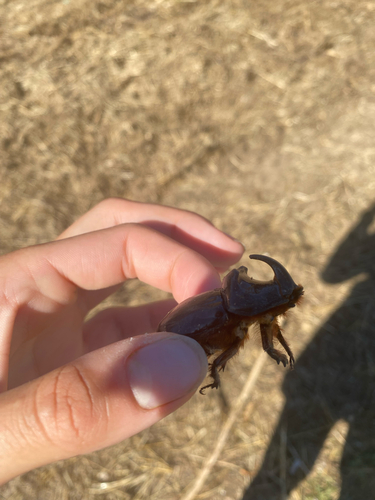
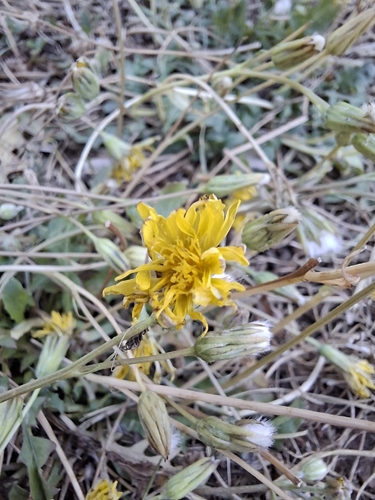
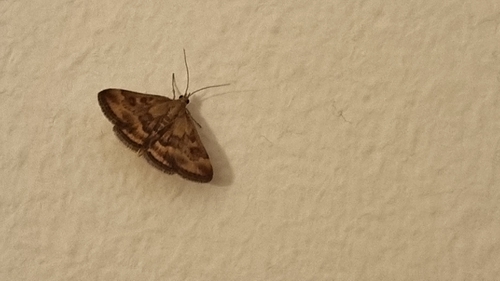
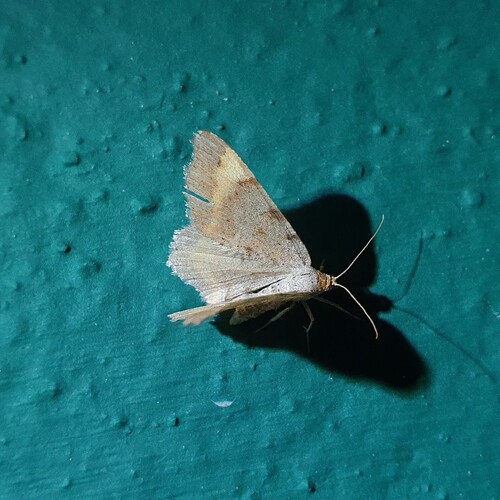
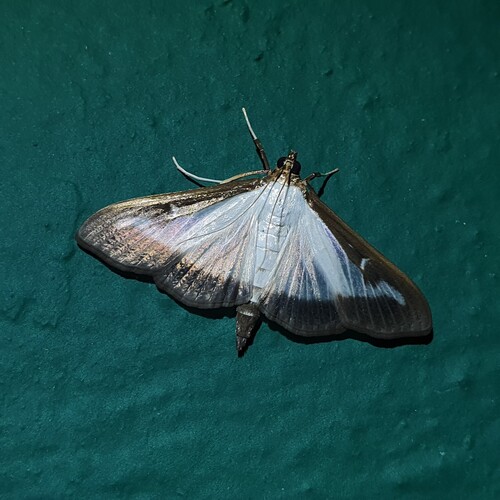
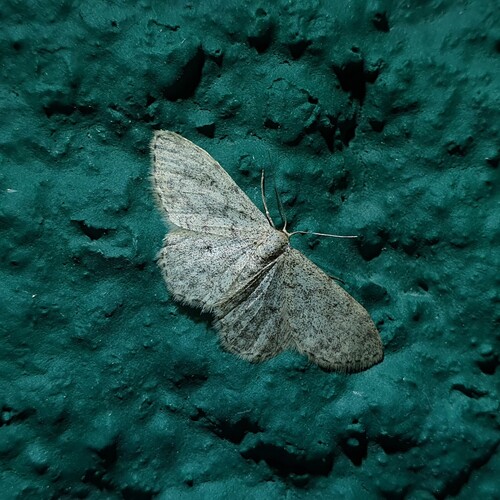
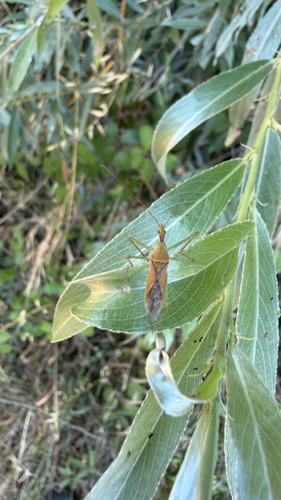
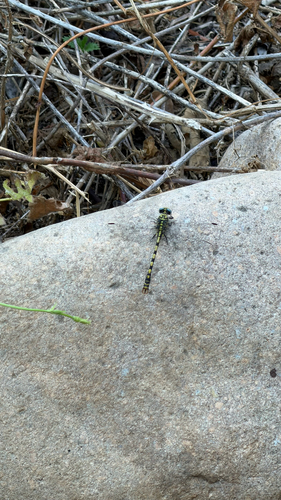
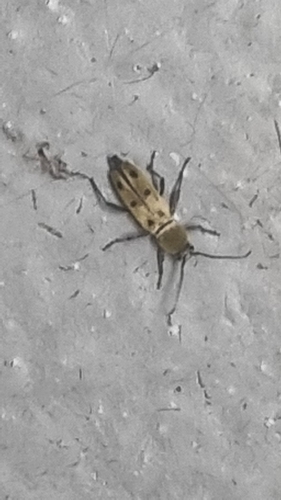
Research-grade observations from iNaturalist (within ~15 mi).
Events
Gallery
Geotagged photos within ~6 miles of Salt, from Wikimedia Commons contributors.
 0.1 mi
 0.1 mi
 0.1 mi
 0.1 mi
_Fa%C3%A7ana.jpg) 0.1 mi
0.1 mi 0.1 mi
 0.2 mi
 0.2 mi
_Fa%C3%A7ana_i_lateral.jpg) 0.2 mi
0.2 mi_Rec.jpg) 0.2 mi
0.2 mi_Fa%C3%A7ana.jpg) 0.2 mi
0.2 mi_Fa%C3%A7ana_lateral.jpg) 0.2 mi
0.2 mi_Fa%C3%A7ana_lateral.jpg) 0.2 mi
0.2 mi_Fa%C3%A7ana_lateral_amb_arbre.jpg) 0.2 mi
0.2 mi_Escultures_Fita.jpg) 0.2 mi
0.2 mi_Fa%C3%A7ana.jpg) 0.2 mi
0.2 mi_Xemeneia_interior.jpg) 0.2 mi
0.2 mi_Fa%C3%A7ana_i_lateral.jpg) 0.2 mi
0.2 mi_Fa%C3%A7ana.jpg) 0.2 mi
0.2 mi_Fa%C3%A7ana.jpg) 0.2 mi
0.2 mi_Entrada.jpg) 0.2 mi
0.2 mi.jpg) 0.2 mi
0.2 mi.jpg) 0.2 mi
0.2 mi 0.2 mi
Photos via Wikimedia Commons — see each image page for license & attribution.
Sources
- • Wikipedia
- • Wikimedia Commons
- • Wikidata
- • USGS Earthquake Catalog (global feed)
- • GBIF (Global Biodiversity Information Facility)
- • iNaturalist
- • Open-Meteo / sunrise-sunset.org
- • Wikipedia Pageviews API
- • Open Library