Browse / Spain / Andalusia / Seville
Seville
Andalusiacity

Seville
Total population
687,965
Air quality index
Demographic figures from INE (Spain). Overview below cites Wikipedia and may reference a different year.
City facts
Sister cities
Facts from Wikidata (CC0).
Overview
Seville is the capital and largest city of the Spanish autonomous community of Andalusia and the province of Seville. It is situated on the lower reaches of the River Guadalquivir, in the southwest of the Iberian Peninsula.
Read more on WikipediaHistory & geography
History
Seville is approximately 2,200 years old. The passage of the various civilizations instrumental in its growth has left the city with a distinct personality, and a large and well-preserved historical centre. The mythological founder of the city is Hercules (Heracles), commonly identified with the Phoenician god Melqart, who the myth says sailed through the Strait of Gibraltar to the Atlantic, and founded trading posts at the current sites of Cádiz and of Seville. The original core of the city, in the neighbourhood of the present-day street, Cuesta del Rosario, dates to the 8th century BC, when Seville was on an island in the Guadalquivir. Archaeological excavations in 1999 found anthropic remains under the north wall of the Real Alcázar dating to the 8th–7th century BC. The town was called Hisbaal by the Phoenicians and by the Tartessians, the indigenous pre-Roman Iberian people of Tartessos, who controlled the Guadalquivir Valley at the time. The city was known from Roman times as Hispal and later as Hispalis. Hispalis developed into one of the great market and industrial centres of Hispania, while the nearby Roman city of Italica (present-day Santiponce, birthplace of the Roman emperors Trajan and Hadrian) remained a typically Roman residential city. Large-scale Roman archaeological remains can be seen there and at the nearby town of Carmona as well. Existing Roman features in Seville itself include the remains exposed in situ in the underground Antiquarium of the Metropol Parasol building, the remnants of an aqueduct, three pillars of a temple in Mármoles Street, the columns of La Alameda de Hércules and the remains in the Patio de Banderas square near the Seville Cathedral. The walls surrounding the city were originally built during the rule of Julius Caesar, but…
Geography
Seville has an area of , according to the National Topographic Map () series from the , the country's civilian survey organisation (pages 984, 985 and 1002). The city is situated in the fertile valley of the River Guadalquivir. The average height above sea level is . Most of the city is on the east side of the river, while Triana, La Cartuja and Los Remedios are on the west side. The Aljarafe region lies further west, and is considered part of the metropolitan area. The city has boundaries on the north with La Rinconada, La Algaba and Santiponce; on the east with Alcalá de Guadaira; on the south with Dos Hermanas and Gelves and on the west with San Juan de Aznalfarache, Tomares and Camas. Seville is on the same parallel as United States west coast city San Jose in central California. São Miguel, the main island of the Azores archipelago, lies on the same latitude. Further east from Seville in the Mediterranean Basin, it is on the same latitude as Catania in Sicily, Italy and just south of Athens, the capital of Greece. Beyond that, it is located on the same parallel as South Korean capital, Seoul. Seville is located inland, not very far from the Andalusian coast, but still sees a much more continental climate than the nearest port cities, Cádiz and Huelva. Its distance from the sea makes summers in Sevilla much hotter than along the coastline. Seville's climate is a hot-summer Mediterranean climate (Köppen climate classification Csa), featuring very hot, long, dry summers and mild winters with moderate rainfall. Seville has an annual average temperature of . The annual average temperature is during the day and at night. Seville is located in the Guadalquivir Valley, which is often referred to as "the frying pan of Spain", as it features the hottest cities in the…
Excerpted from the corresponding Wikipedia article (CC BY-SA).
Geography
Coordinates & boundaries from the US Census TIGER/Line shapefiles.
Climate
Air quality
Current readings from Open-Meteo Air Quality API (Copernicus CAMS European reanalysis).
Walkability
Amenities nearby
Wildlife & biodiversity
Most-observed species
- House SparrowPasser domesticus (Linnaeus, 1758) · Aves8,259
- Eurasian BlackbirdTurdus merula Linnaeus, 1758 · Aves7,608
- Eurasian Collared-DoveStreptopelia decaocto (Frivaldszky, 1838) · Aves5,973
- European GreenfinchChloris chloris (Linnaeus, 1758) · Aves5,706
- European SerinSerinus serinus (Linnaeus, 1766) · Aves4,923
- Spotless StarlingSturnus unicolor Temminck, 1820 · Aves4,714
- Rose-ringed ParakeetPsittacula krameri (Scopoli, 1769) · Aves4,520
- Crested LarkGalerida cristata (Linnaeus, 1758) · Aves4,159
Citizen-science & research observations from the Global Biodiversity Information Facility (GBIF).
Earthquake history
Most recent
- M 4 — 2021-10-198 km W of Villanueva de San Juan, Spain
- M 4.4 — 2019-10-252 km ENE of Olvera, Spain
- M 4.6 — 2014-08-191 km WNW of Puerto Serrano, Spain
- M 3.1 — 2008-11-256 km SE of Morón de la Frontera, Spain
- M 3.3 — 2008-11-237 km SSE of Morón de la Frontera, Spain
- M 2.6 — 2008-10-146 km SSE of Morón de la Frontera, Spain
Events from the USGS Earthquake Catalog (global) (FDSN Event Web Service).
Photos
Sights & places nearby
Notable people from here


People born within ~10 km, from Wikidata (CC0). Click any name for their Wikipedia article.
Geography & sun
Elevation, sunrise/sunset and daylight from Open-Meteo. Solar climatology from NASA POWER.
Nearby airports
Public attention
Pageview totals from the Wikimedia Pageviews API.
Books about Seville






Search results from Open Library.
Recent natural events nearby
Ground air-quality sensors
Recently spotted species
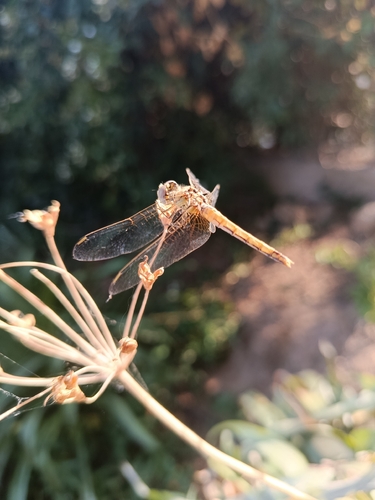
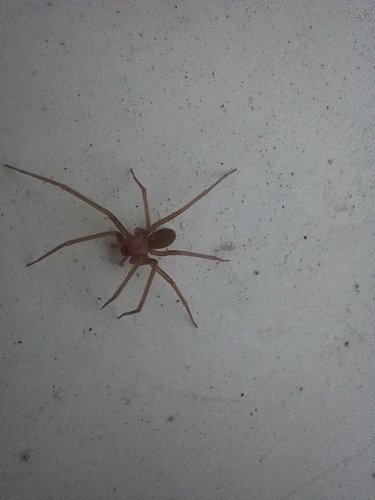
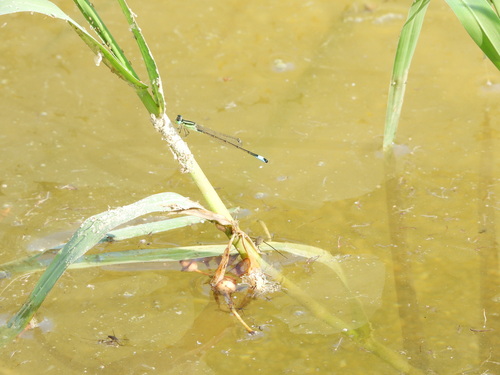
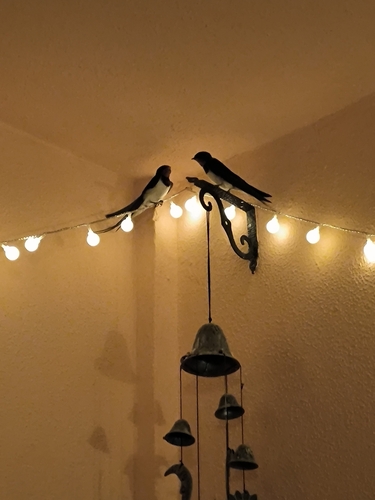
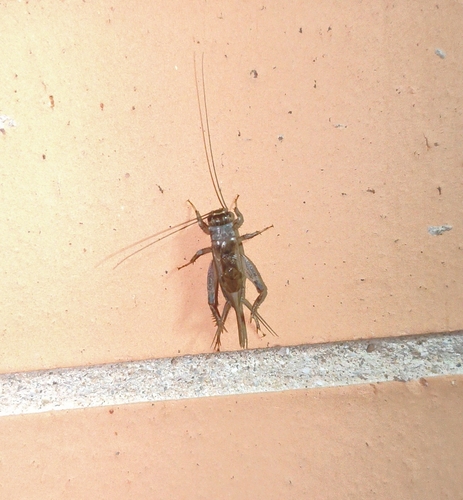
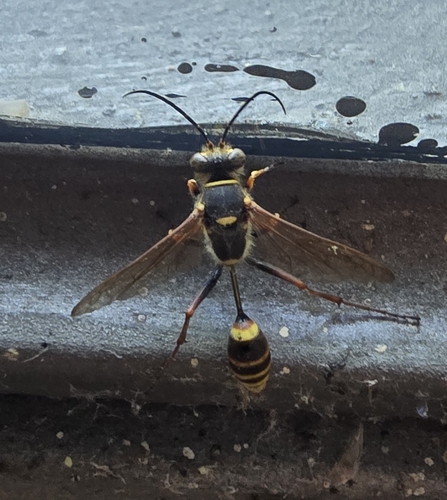
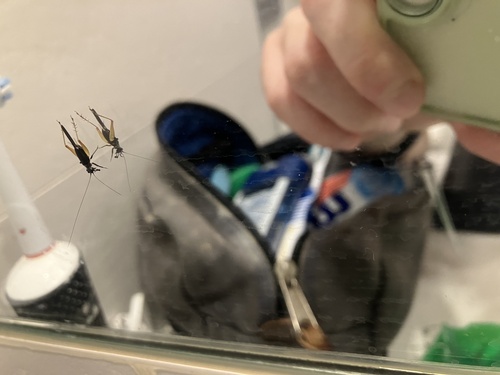
Research-grade observations from iNaturalist (within ~15 mi).
Events
Gallery
Sources
- • Wikipedia
- • Wikidata
- • Open-Meteo Air Quality (CAMS)
- • USGS Earthquake Catalog (global feed)
- • GBIF (Global Biodiversity Information Facility)
- • iNaturalist
- • Open-Meteo / sunrise-sunset.org
- • Wikipedia Pageviews API
- • Open Library