Browse / Spain / Catalonia / Tarragona
Tarragona
Cataloniacity

Tarragona
Total population
69,387
Founded
1165
Demographic figures from INE (Spain). Overview below cites Wikipedia and may reference a different year.
City facts
Facts from Wikidata (CC0).
Overview
Tarragona is a city and municipality in Catalonia, Spain. It is the capital and largest town of Tarragonès county, the Camp de Tarragona region and the province of Tarragona. Geographically, it is located on the Costa Daurada area on the Mediterranean shore, around the mouth of the Francolí.
Read more on WikipediaHistory & geography
History
One Catalan legend holds that Tarragona was named for Tarraho, eldest son of Tubal in c. 2407 BC; another (derived from Strabo and Megasthenes) attributes the name to 'Tearcon the Ethiopian', a seventh-century BC pharaoh who campaigned in Spain. The real founding date of Tarragona is unknown. The city's origins trace back to a possible Iberian settlement known as Kesse or Kosse, named after the local Iberian tribe, the Cossetans. However, the exact connection of Tarragona to Kesse remains uncertain. Scholars such as William Smith suggest that the city may have been established by the Phoenicians, who referred to it as . According to Samuel Bochart, signifies a citadel. The moniker likely stemmed from its location atop a high rock, approximately above sea level; earning it the epithet . It was seated on the river Sulcis or Tulcis (modern Francolí), on a bay of the Mare Internum (Mediterranean), between the Pyrenees and the River Iberus (modern Ebro). Livy mentions a ; and according to Eratosthenes it had a naval station or roads (); but Artemidorus Ephesius says with more probability that it had none, and scarcely even an anchoring place; and Strabo himself refers to it as "harbourless" (). Tarraco lies on the main road along the northeastern coast of the Iberian Peninsula. During the Roman Republic, the city was fortified and much enlarged as a Roman colony by the brothers Publius Cornelius Scipio and Gnaeus Cornelius Scipio Calvus, who converted it into a fortress and arsenal against the Carthaginians. The city was first named Colonia Iulia Urbs Triumphalis Tarraco and was capital of the province of Hispania Citerior. Subsequently, it became the capital (conventus iuridicus) of the province named after it, Hispania Tarraconensis. Augustus wintered at Tarraco after…
Excerpted from the corresponding Wikipedia article (CC BY-SA).
Geography
Coordinates & boundaries from the US Census TIGER/Line shapefiles.
Climate
Air quality
Walkability
Amenities nearby
Wildlife & biodiversity
Most-observed species
- Common Wood-PigeonColumba palumbus Linnaeus, 1758 · Aves3,648
- House SparrowPasser domesticus (Linnaeus, 1758) · Aves3,007
- Eurasian MagpiePica pica (Linnaeus, 1758) · Aves2,875
- Eurasian Collared-DoveStreptopelia decaocto (Frivaldszky, 1838) · Aves2,439
- White WagtailMotacilla alba Linnaeus, 1758 · Aves2,358
- Sardinian WarblerCurruca melanocephala (J.F.Gmelin, 1789) · Aves2,357
- European SerinSerinus serinus (Linnaeus, 1766) · Aves2,181
- European GoldfinchCarduelis carduelis (Linnaeus, 1758) · Aves2,148
Citizen-science & research observations from the Global Biodiversity Information Facility (GBIF).
Earthquake history
Most recent
- M 3.7 — 2013-10-0428 km ESE of Vinaròs, Spain
- M 4 — 2013-10-0229 km ESE of Vinaròs, Spain
- M 4.3 — 2013-10-0230 km ESE of Vinaròs, Spain
- M 4.1 — 2013-10-0130 km ESE of Vinaròs, Spain
- M 2.8 — 2008-06-1712 km SSE of Tarragona, Spain
- M 2.6 — 2008-03-143 km N of Vilaplana, Spain
Events from the USGS Earthquake Catalog (global) (FDSN Event Web Service).
Photos
Sights & places nearby
Notable people from here
Geography & sun
Nearby airports
Public attention
Books about this place
Recent natural events nearby
Ground air-quality sensors
Recently spotted species
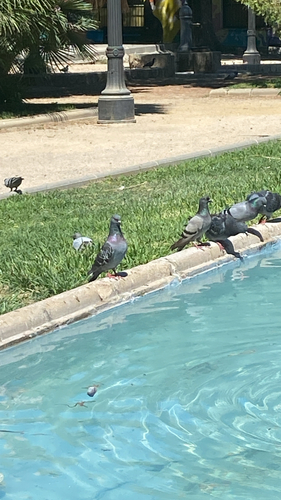
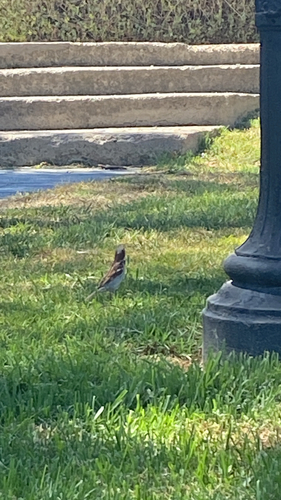
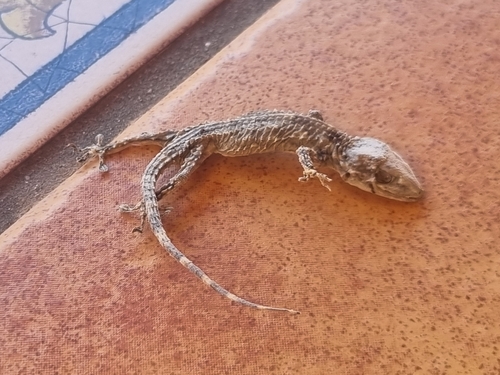
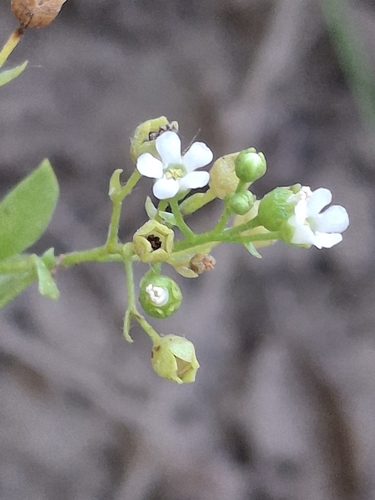
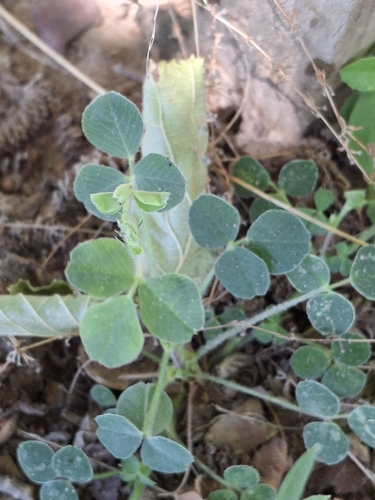
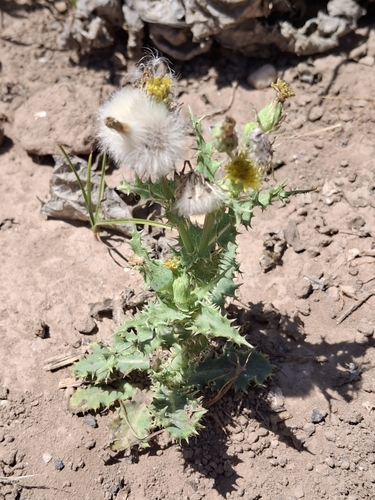
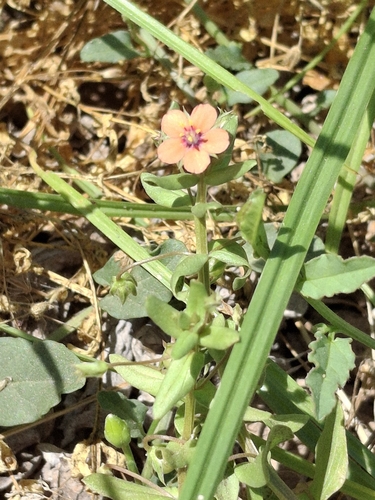
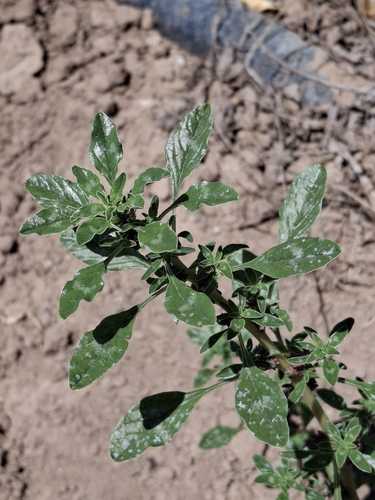
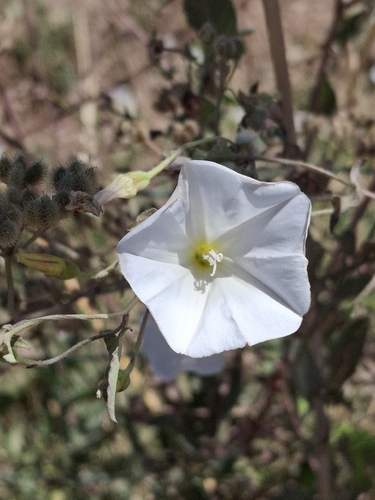
Research-grade observations from iNaturalist (within ~15 mi).
Events
Gallery
Official Identifiers
INE — Spanish National Statistics
- INE code
- 43148
- Population (Wikidata)
- 143,649
- Wikidata
- Q15088
Municipality codes via Wikidata P772
Sources
- • Wikipedia
- • Wikidata
- • USGS Earthquake Catalog (global feed)
- • GBIF (Global Biodiversity Information Facility)
- • iNaturalist
- • INE — Spanish national statistics, municipality code via Wikidata P772
- • INE — Spanish National Statistics — Municipality codes via Wikidata P772