Browse / Finland / North Karelia / Joensuu
Joensuu
North Kareliacity

Joensuu
Total population
79,205
Founded
1848
Demographic figures from Statistics Finland. Overview below cites Wikipedia and may reference a different year.
City facts
Facts from Wikidata (CC0).
Overview
Joensuu is a city in Finland and the regional capital of North Karelia. It is located in the eastern interior of the country and in the Finnish Lakeland. The population of Joensuu is approximately 79,000, while the sub-region has a population of approximately 128,000. It is the 11th-most populous municipality in Finland, and the 9th-most populous urban area in the country.
Read more on WikipediaHistory & geography
History
The city of Joensuu, founded by the Czar Nicholas I of Russia in 1848, is the regional centre and the capital of North Karelia. During the 19th century Joensuu was a city of manufacture and commerce. When in 1860 the city received dispensation rights to initiate commerce, former restrictions against industry were removed and the local sawmills began to prosper and expand. Water traffic was improved by the building and opening of the Saimaa Canal in 1856. Consequently, a lively commerce between the regions of North Karelia, St. Petersburg and Central Europe was enabled. At the end of the 19th century Joensuu was one of the largest harbour cities in Finland. Throughout the centuries Karelian traders have plied the Pielisjoki River. The river has always been the lively heart of the city. Canals – completed by 1870 – increased the river traffic. Thousands of steamboats, barges and logging boats sailed along the river during the golden age of river traffic. The Pielisjoki River has also been an important log raft route, providing wood for the sawmills and for the entire lumber industry. During the last few decades, the formerly modest agrarian town has developed into a vital centre of the province. Success in regional annexations, the establishment of the region of North Karelia, and investments in education have been the most decisive actions in this development. The municipality of Pielisensuu was consolidated with Joensuu in 1954. At the beginning of 2005, the municipalities of Kiihtelysvaara and Tuupovaara were consolidated with Joensuu. At the beginning of 2009 the municipalities of Eno and Pyhäselkä were consolidated with Joensuu. After the most recent consolidations, there are approximately 73,000 inhabitants in the Joensuu municipal area. The University of…
Geography
The neighboring municipalities of Joensuu are Liperi, Kontiolahti, Lieksa, Ilomantsi, Tohmajärvi and Rääkkylä. In addition, the city is part of the Joensuu sub-region, which currently also includes the municipalities of Heinävesi, Ilomantsi, Juuka, Kontiolahti, Liperi and Polvijärvi, as well as the town of Outokumpu. Joensuu has a subarctic climate (Köppen: Dfc) closely bordering on a humid continental climate (Köppen climate classification: Dfb) due to its high latitude and inland position. Being quite far inland, Joensuu has a more continental climate than most of Finland. As a result, Joensuu can be prone to temperature extremes both in winter and summer. For example, Joensuu is on average warmer than Dublin or Manchester in July, and colder than Moscow in January. Winters are long, cold and snowy. Summers however, bring frequent temperatures above and thunderstorms occur typically on 10–15 days per year. The highest temperature ever recorded on July 29, 2010, is the highest recorded temperature in Finland and the second highest ever recorded temperature in the Nordic countries, only behind Sweden's all time record at . The lowest temperature ever recorded in Joensuu was on December 10, 1955. In winter, the snowcover is reliable and on average 50–70 cm deep. Annually, Joensuu experiences on average 24 days with temperatures or colder while temperature below is observed about once per year. Annual total precipitation averages at 589 mm, with about 225 mm of it falling in the form of snow.
Excerpted from the corresponding Wikipedia article (CC BY-SA).
Geography
Coordinates & boundaries from the US Census TIGER/Line shapefiles.
Climate
Air quality
Walkability
Amenities nearby
Wildlife & biodiversity
Most-observed species
- Great TitParus major Linnaeus, 1758 · Aves6,229
- Eurasian Blue TitCyanistes caeruleus (Linnaeus, 1758) · Aves4,858
- Rustic BuntingEmberiza rustica Pallas, 1776 · Aves4,375
- Common RedpollAcanthis flammea (Linnaeus, 1758) · Aves3,545
- Eurasian SiskinSpinus spinus (Linnaeus, 1758) · Aves2,416
- Willow WarblerPhylloscopus trochilus (Linnaeus, 1758) · Aves2,100
- Coal TitPeriparus ater (Linnaeus, 1758) · Aves1,856
- European Pied FlycatcherFicedula hypoleuca (Pallas, 1764) · Aves1,821
Citizen-science & research observations from the Global Biodiversity Information Facility (GBIF).
Earthquake history
Events from the USGS Earthquake Catalog (global) (FDSN Event Web Service).
Photos
Sights & places nearby
Notable people from here


People born within ~10 km, from Wikidata (CC0). Click any name for their Wikipedia article.
Nearby places in North Karelia
- Viininiemi45 mi away
- Iljanvaara45.2 mi away
- Repovaara54.5 mi away
- Sivakkovaara55.1 mi away
- Brotnja1367.4 mi away · pop. 47
- Zaklopac1369.1 mi away · pop. 23
- Mazin1369.2 mi away · pop. 47
- Begluci1369.5 mi away · pop. 61
- Donja Suvaja1369.8 mi away · pop. 53
- Gornja Suvaja1370.5 mi away · pop. 36
- Neteka1371.3 mi away · pop. 87
- Srb1372.5 mi away · pop. 301
Geography & sun
Elevation, sunrise/sunset and daylight from Open-Meteo. Solar climatology from NASA POWER.
Nearby airports
Public attention
Pageview totals from the Wikimedia Pageviews API.
Books about Joensuu
Search results from Open Library.
Recent natural events nearby
Ground air-quality sensors
Recently spotted species
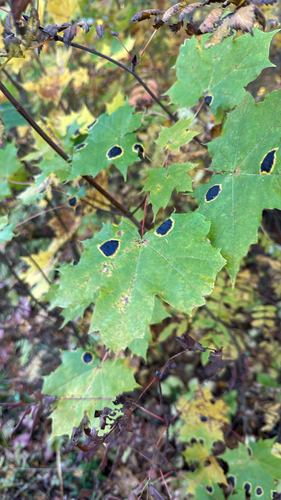
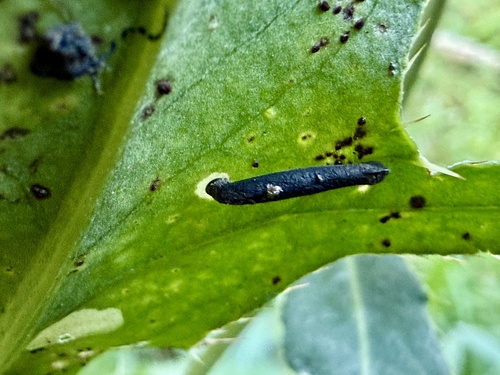
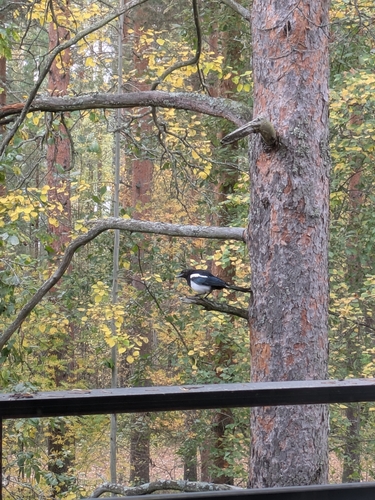
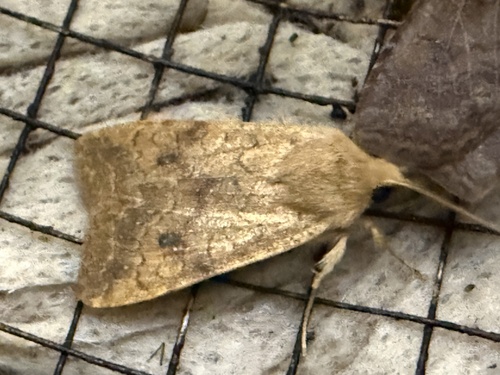
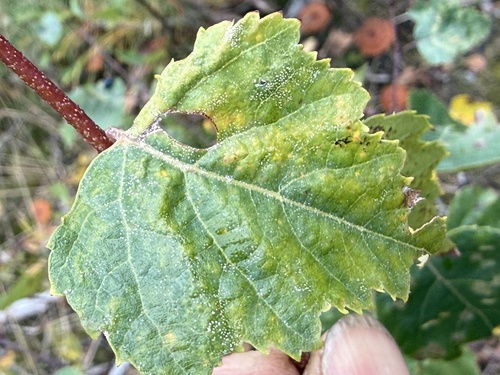
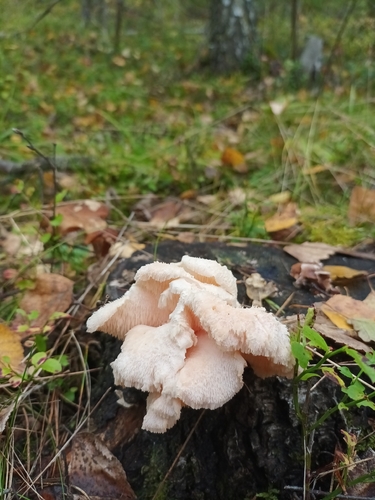
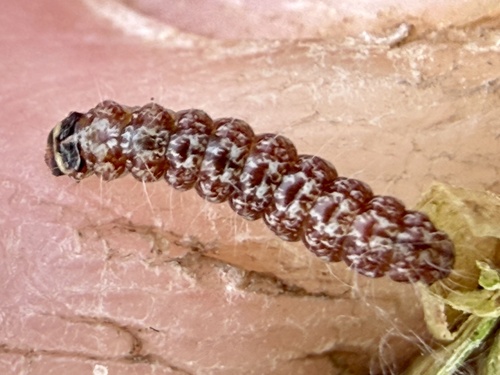
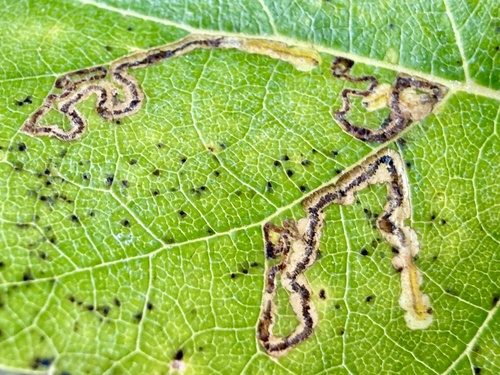
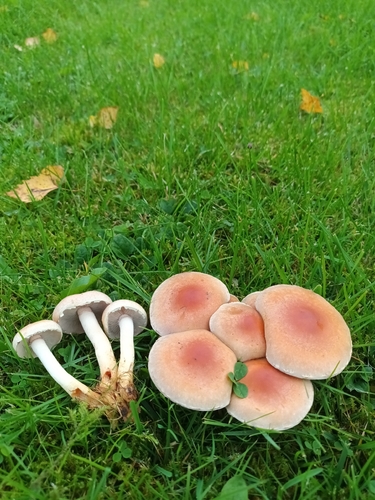
Research-grade observations from iNaturalist (within ~15 mi).
Events
Notable, recurring, and historical events associated with Joensuu, sourced from Wikidata.
- Q87743367Sep 5, 2020recurring event edition
Source: Wikidata (CC0).
Gallery
Sources
- • Wikipedia
- • Wikidata
- • USGS Earthquake Catalog (global feed)
- • GBIF (Global Biodiversity Information Facility)
- • iNaturalist
- • Open-Meteo / sunrise-sunset.org
- • Wikipedia Pageviews API
- • Open Library
- • Wikidata SPARQL (CC0) — population, area, elevation, inception, head of government, Commons image