Browse / United States / Florida / Orlando
Orlando
Floridacity

Orlando
Total population
334,871
Median home value
$430,200
Bachelor's+
Median income
$77,597
Founded
1875
Demographic figures from US Census Bureau · ACS 5-year estimates. Overview below cites Wikipedia and may reference a different year.
City facts
Facts from Wikidata (CC0).
Overview
Orlando is a city in and the county seat of Orange County, Florida, United States. Part of Central Florida, it is the fourth-most populous city in the state and its most populous inland city, with a population of 307,573 at the 2020 census. The Orlando metropolitan area has an estimated 2.67 million residents as of 2020, making it the third-largest metropolitan area in Florida and the 22nd-largest in the U.S.
Read more on WikipediaHistory & geography
History
In 1823, the Treaty of Moultrie Creek created a Seminole reservation encompassing much of central Florida, including the area that would become Orlando. The Indian Removal Act of 1830 authorized relocation of the Seminole from Florida to Oklahoma, and along with the enforcement of the Treaty of Payne's Landing led to the Second Seminole War. In 1842, white settlement in the area was encouraged by the Armed Occupation Act. The first settler, Aaron Jernigan of Camden County, Georgia, arrived the following year and settled near Lake Holden. Mosquito County was renamed Orange County in 1845, with the county seat shortly thereafter relocated to Mellonville, a few miles west of Sanford. By 1856, settlement had begun in earnest in the interior of the county and a more centrally located Courthouse was sought. The new town of Orlando, laid out in 1857, Orlando was established as a city in 1885. The period from 1875 to 1895 is remembered as Orlando's Golden Era, when it became the hub of Florida's citrus industry. The period ended with the Great Freeze of 1894–95, which forced many owners to give up their independent citrus groves, thus consolidating holdings in the hands of a few "citrus barons", who shifted operations south, primarily around Lake Wales in Polk County. Today, the historic core of "Old Orlando" resides in downtown Orlando along Church Street, between Orange Avenue and Garland Avenue. The urban development and the central business district of downtown have rapidly shaped the downtown skyline during recent history. The present-day historic district is primarily associated with the neighborhoods around Lake Eola but stretches west across the city to Lake Lorna Doone and north into the College Park Neighborhood where you can find century-old oaks line brick…
Geography
The geography of Orlando is mostly wetlands, consisting of many lakes and swamps. The ground is generally flat, making the land fairly low and wet. The area is dotted with hundreds of lakes, the largest of which is Lake Apopka. Central Florida's bedrock is mostly limestone and very porous; the Orlando area is susceptible to sinkholes. Probably the most famous incident involving a sinkhole happened in 1981 in Winter Park, a city immediately north of downtown Orlando, dubbed "The Winter Park Sinkhole". There are 115 neighborhoods within the city limits and many unincorporated communities. Orlando's city limits resemble a checkerboard, with pockets of unincorporated Orange County surrounded by city limits. Such an arrangement results in some areas being served by both Orange County and the City of Orlando. This also explains Orlando's relatively low city population when compared to its metropolitan population. The city and county are working together in an effort to "round-out" the city limits with Orlando annexing portions of land already bordering the city limits. At the center of the Greater Orlando region is Downtown Orlando, the historic core and central business district of the city. It is bordered by Marks Street in the north, Mills Avenue (SR 15) in the east, Orange Blossom Trail (US 441) in the west, and Kaley Avenue in the south. It is home to many of the region's major banks, skyscrapers, government buildings, and cultural and tourist attractions, along with a large residential population. It is mostly composed of high-rise residential towers and office towers. Among the 79 of the high-rises in the Greater Orlando region, 46 are located in downtown. It is also the home to many of the city's cultural venues, such as Dr. Phillips Center for the Performing Arts,…
Excerpted from the corresponding Wikipedia article (CC BY-SA).
Demographics & economy
Race & ethnicity
Source: US Census Bureau — American Community Survey, 5-year estimates.
Geography
Coordinates & boundaries from the US Census TIGER/Line shapefiles.
Climate
Current forecast
Forecast for Orlando, FL from NOAA NWS API.
Air quality
Industrial & pollution facilities
Natural hazard risk
Health (adults)
Age-adjusted prevalence estimates from CDC PLACES (latest release).
Walkability
Amenities nearby
Wildlife & biodiversity
Schools
Largest nearby schools
- LAKE NONA HIGHHigh · ORLANDO · 4,362 students · 24.6:1 ratio
- CYPRESS CREEK HIGHHigh · ORLANDO · 3,467 students · 23.4:1 ratio
- FREEDOM HIGHHigh · ORLANDO · 2,623 students · 22.4:1 ratio
- OAK RIDGE HIGHHigh · ORLANDO · 2,477 students · 23.4:1 ratio
- LAKE NONA MIDDLEMiddle · ORLANDO · 1,715 students · 19.9:1 ratio
- INNOVATION MIDDLEMiddle · ORLANDO · 1,311 students · 19:1 ratio
- FREEDOM MIDDLEMiddle · ORLANDO · 1,159 students · 19.6:1 ratio
- SOUTH CREEK MIDDLEMiddle · ORLANDO · 1,146 students · 21.6:1 ratio
Public K–12 schools within ~10 mi from Urban Institute Education Data Portal (NCES Common Core of Data, 2022).
Earthquake history
Photos
Sights & places nearby
Notable people from here
Nearby places in Florida
Geography & sun
Elevation, sunrise/sunset and daylight from Open-Meteo. Solar climatology from NASA POWER.
Nearby airports
Public attention
Pageview totals from the Wikimedia Pageviews API.
Books about Orlando




Search results from Open Library.
Recent natural events nearby
- Wildfire H2, Palm Beach, FloridaWildfires · 2026-08-24 · 140 mi
- Wildfire THE H1, Palm Beach, FloridaWildfires · 2026-08-15 · 144 mi
- Wildfire S7, Broward, FloridaWildfires · 2026-09-04 · 151 mi
- Wildfire HOLEY LAND (6), Broward, FloridaWildfires · 2026-07-28 · 151 mi
- Wildfire L 28, Broward, FloridaWildfires · 2026-07-28 · 152 mi
- Wildfire Mitchell, Ware, GeorgiaWildfires · 2026-08-24 · 165 mi
- Wildfire 22, Miami-Dade, FloridaWildfires · 2026-08-23 · 176 mi
- Wildfire Camden McCarthy Overpass Fire, Camden, GeorgiaWildfires · 2026-07-30 · 179 mi
Wildfires, storms and other events from NASA EONET (last 12 months, within 250 mi).
Ground air-quality sensors
Recently spotted species
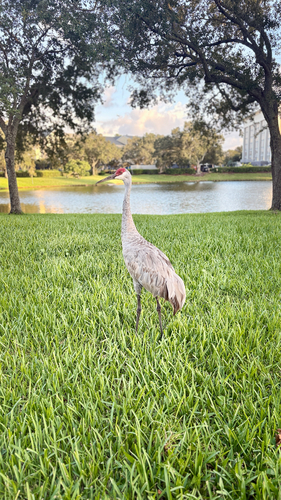
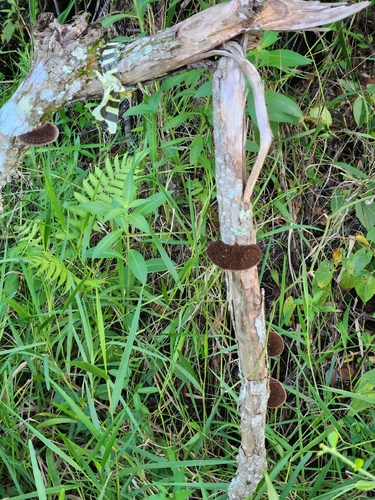
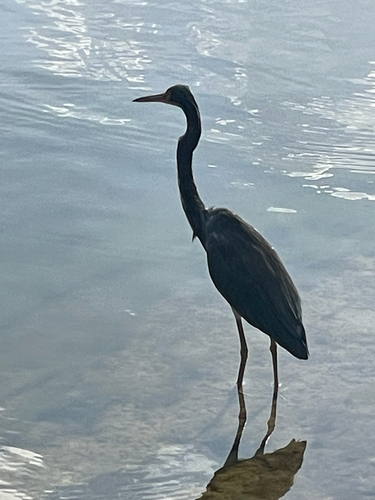
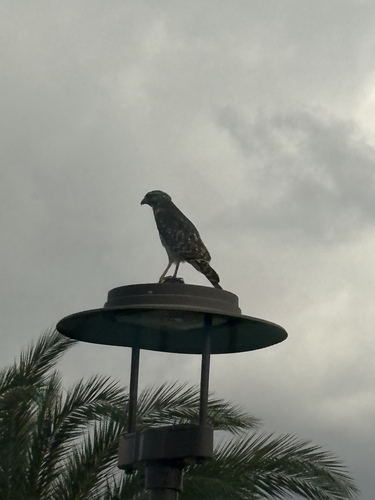
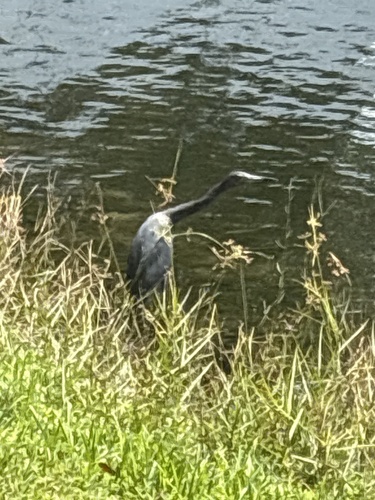
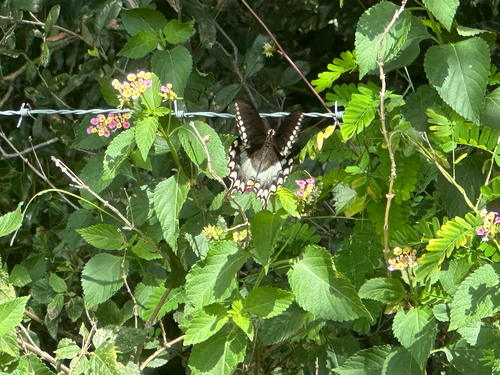
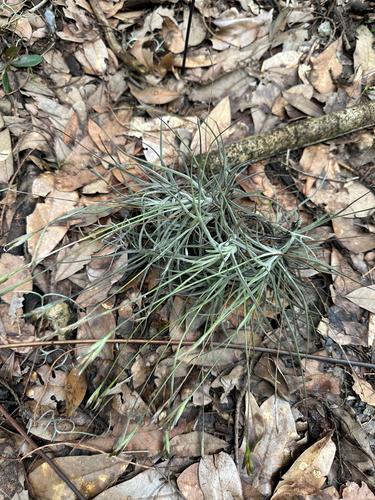
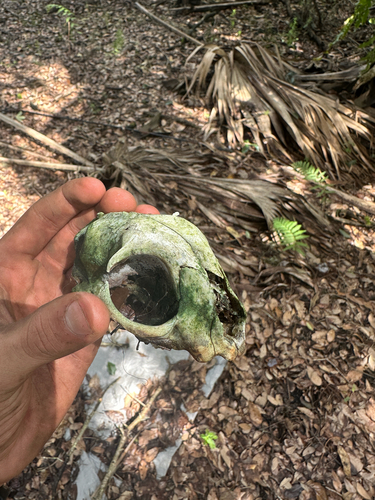
Research-grade observations from iNaturalist (within ~15 mi).
Nearest stream gauge
Live readings from USGS NWIS · measured 2026-09-17 05:15 UTC.
Events
Notable, recurring, and historical events associated with Orlando, sourced from Wikidata.
Source: Wikidata (CC0).
Gallery
Geotagged photos within ~6 miles of Orlando, from Wikimedia Commons contributors.
 0.6 mi
 0.6 mi
 0.7 mi
 0.8 mi
 0.8 mi
 1 mi
1 mi 1.1 mi
 1.1 mi
.jpg) 1.1 mi
1.1 mi 1.1 mi
.jpg) 1.1 mi
1.1 mi 1.2 mi
 1.2 mi
 1.3 mi
.jpg) 1.4 mi
1.4 mi.jpg) 1.5 mi
1.5 mi 1.5 mi
 1.5 mi
 1.5 mi
.jpg) 1.5 mi
1.5 mi.jpg) 1.6 mi
1.6 mi.jpg) 1.6 mi
1.6 mi 1.7 mi
 1.7 mi
Photos via Wikimedia Commons — see each image page for license & attribution.
Sources
- • Wikipedia
- • US Census Bureau (ACS 5-year estimates)
- • NOAA National Weather Service
- • Wikimedia Commons
- • Wikidata
- • USGS NWIS (water data)
- • NCES via Urban Institute Education Data Portal
- • iNaturalist
- • CDC PLACES
- • Open-Meteo / sunrise-sunset.org
- • Wikipedia Pageviews API
- • Open Library
- • NASA EONET