Browse / France / Île-de-France / Fontainebleau
Fontainebleau
Île-de-Francetown

Fontainebleau
Total population
15,945
Demographic figures from INSEE. Overview below cites Wikipedia and may reference a different year.
City facts
Overview
Fontainebleau is a commune in the metropolitan area of Paris, France. It is located 55.5 kilometres (34.5 mi) south-southeast of the centre of Paris. Fontainebleau is a sub-prefecture of the Seine-et-Marne department, and it is the seat of the arrondissement of Fontainebleau. The commune has the largest land area in the Île-de-France region; it is the only one to cover a larger area than Paris itself. The commune is closest to Seine-et-Marne Prefecture Melun.
Read more on WikipediaHistory & geography
History
According to the official chateau history, "Fontainebleau" took its name in the 16th century from the "Fontaine Belle-Eau", a natural fresh water spring located in the English garden not far from the chateau. The name means "Spring of beautiful water". In the 19th century the spring was rebuilt to flow into an octagonal stone basin. Before the 16th century, Fontainebleau was recorded in the Latinised forms Fons Bleaudi, Fons Bliaudi, and Fons Blaadi in the 12th and 13th centuries, and as Fontem blahaud in 1137. In the 17th century it was also sometimes called by the fanciful Latin Fons Bellaqueus. This the origin of the name Bellifontains sometimes used for residents. A popular legend says that the spring and forest took their names from a favourite hunting dog of King Louis IX named "Blaud" or "Blau". According to the legend, during a hunt the dog became separated from the King, who finally found him by the spring. According to another source, the name comes from the medieval compound noun of fontaine, meaning spring and fountain, and blitwald, consisting of the Germanic personal name Blit and the Germanic word for forest. This hamlet was endowed with a royal hunting lodge and a chapel by Louis VII in the middle of the twelfth century. A century later, Louis IX, also called Saint Louis, who held Fontainebleau in high esteem and referred to it as "his wilderness", had a country house and a hospital constructed there. Philip the Fair was born there in 1268 and died there in 1314. In all, thirty-four sovereigns, from Louis VI, the Fat, (1081–1137) to Napoleon III (1808–1873), spent time at Fontainebleau. The connection between the town of Fontainebleau and the French monarchy was reinforced with the transformation of the royal country house into a true royal…
Excerpted from the corresponding Wikipedia article (CC BY-SA).
Geography
Coordinates & boundaries from the US Census TIGER/Line shapefiles.
Climate
Air quality
Walkability
Amenities nearby
Wildlife & biodiversity
Earthquake history
Photos
Sights & places nearby
Notable people from here


People born within ~10 km, from Wikidata (CC0). Click any name for their Wikipedia article.
Nearby places in Île-de-France
- Bourron-Marlotte4.4 mi away · pop. 2,762
- Recloses4.8 mi away · pop. 616
- Bois-le-Roi4.9 mi away · pop. 5,979
- Saint-Mammès5 mi away · pop. 3,302
- Macherin5.6 mi away
- La Genevraye6.1 mi away · pop. 814
- Villiers-sous-Grez6.4 mi away · pop. 661
- Saint-Martin-en-Bière6.5 mi away · pop. 734
- Écuelles6.5 mi away · pop. 2,479
- La Rochette7.1 mi away · pop. 3,870
- Achères-la-Forêt7.3 mi away · pop. 1,154
- Fleury-en-Bière7.7 mi away · pop. 656
Geography & sun
Nearby airports
Public attention
Books about this place
Recent natural events nearby
Ground air-quality sensors
Recently spotted species
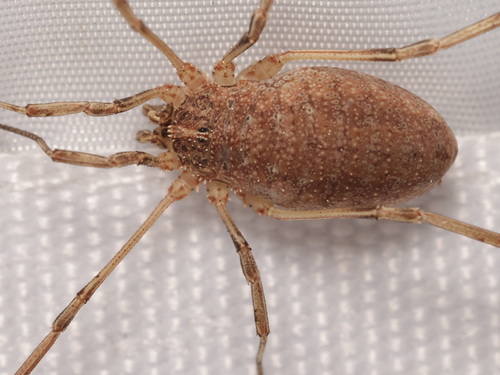
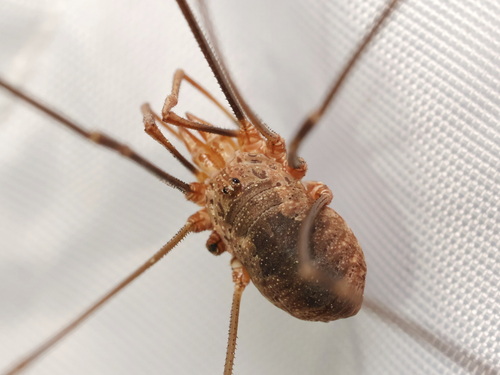
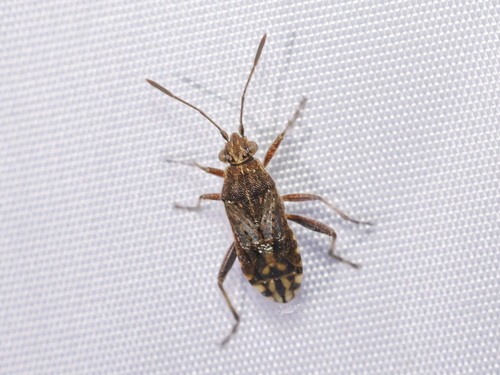
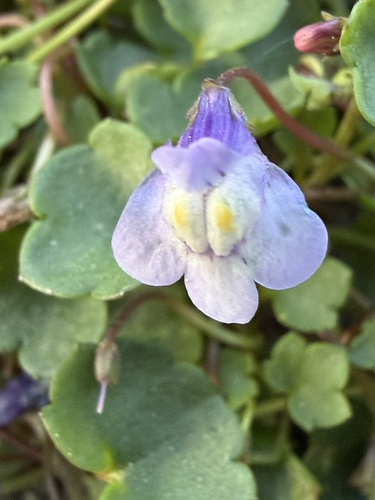
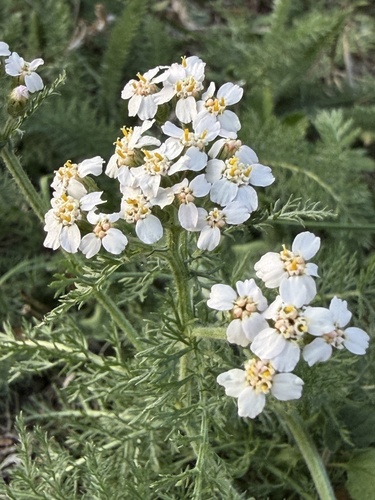
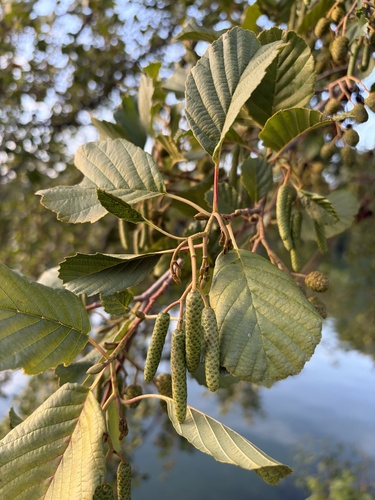
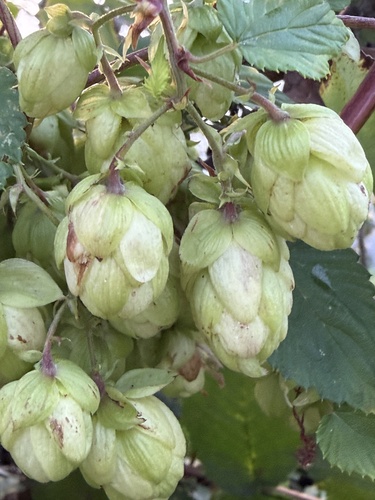
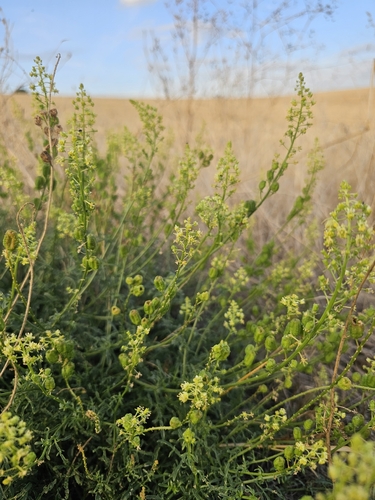
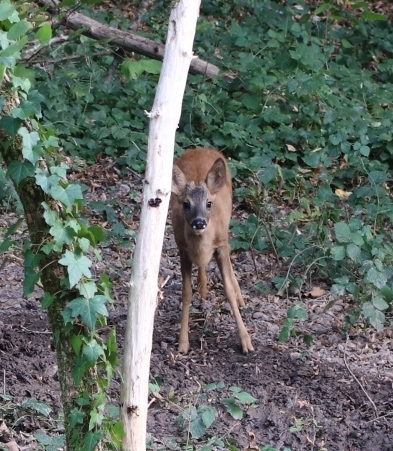
Research-grade observations from iNaturalist (within ~15 mi).
Events
Gallery
Official Identifiers
INSEE — French National Institute of Statistics
- INSEE code
- 77186
- Department
- 77
- Region
- 11
- Population (Wikidata)
- 15,583
geo.api.gouv.fr
Sources
- • Wikipedia
- • Wikidata
- • iNaturalist
- • Wikidata SPARQL (CC0) — population, area, elevation, inception, head of government, Commons image
- • INSEE — French national statistics, via geo.api.gouv.fr (official commune code, population, surface, department, region)
- • INSEE — French National Institute of Statistics — geo.api.gouv.fr