Browse / France / Occitanie / Montpellier
Montpellier
Occitaniecity

Montpellier
Total population
302,454
Demographic figures from INSEE. Overview below cites Wikipedia and may reference a different year.
City facts
Sister cities
Facts from Wikidata (CC0).
Overview
Montpellier is a city in southern France near the Mediterranean Sea. One of the largest urban centres in the region of Occitania, Montpellier is the prefecture of the department of Hérault. As of 2023, 310,240 people live in the city proper, while its metropolitan area has a population of 842,923. Montpellier is the third-largest French city near the Mediterranean coast, behind Marseille and Nice, and the seventh-largest city of France overall. The inhabitants are called Montpelliérains and Montpelliéraines.
Read more on WikipediaHistory & geography
History
In the Early Middle Ages, the nearby episcopal town of Maguelone was the major settlement in the area, but raids by pirates encouraged settlement a little farther inland. In 737 Charles Martel destroyed Maguelone. Montpellier, first mentioned in a document of 985, was founded under a local feudal dynasty, the Guilhem, who combined two hamlets and built a castle and walls around the united settlement. The name is from medieval Latin mons pisleri, "Woad Mountain" referring to the woad (Latin pastellus, pestellus) used for dyeing locally. There is no real "mountain" in the area, with the mons referring to a pile of stones. In 986 the Lords of Montpellier begin with William I of Montpellier. In the 10th century the town consisted of two portions, Montpellier and Montpelliéret. Montpellier was among the most important of the 66 ('cities of protection' or 'protected cities') that the Edict of Nantes granted to the Huguenots. The city's political institutions and the university were all handed over to the Huguenots. Increasing tension with Paris led to King Louis XIII besieging the city in 1622. During the repression of January and February 1894, the police conducted raids targeting the anarchists living there, without much success. After this the city grew because it welcomed French repatriates from Algeria and other parts of northern Africa after Algeria's independence from France. In the 21st century Montpellier is between France's number seventh and eighth largest city. The city had another influx in population more recently, largely due to the student population, who make up about one-fourth of Montpellier's population. The school of medicine kickstarted the city's thriving university culture, though many other universities have been well established there. The…
Geography
==Geography==<!--
Excerpted from the corresponding Wikipedia article (CC BY-SA).
Geography
Coordinates & boundaries from the US Census TIGER/Line shapefiles.
Climate
Air quality
Walkability
Amenities nearby
Wildlife & biodiversity
Earthquake history
Photos
Sights & places nearby
Notable people from here


People born within ~10 km, from Wikidata (CC0). Click any name for their Wikipedia article.
Nearby places in Occitanie
- Saint-Georges-d'Orques4.9 mi away · pop. 5,600
- Saint-Clément-de-Rivière5.3 mi away · pop. 5,058
- Saussan5.8 mi away · pop. 1,783
- Prades-le-Lez6 mi away · pop. 6,107
- Palavas-les-Flots6.4 mi away · pop. 5,881
- Fabrègues6.5 mi away · pop. 7,197
- Castries7.2 mi away · pop. 6,523
- Murles8.5 mi away · pop. 352
- Mudaison8.6 mi away · pop. 2,894
- Vic-la-Gardiole9.5 mi away · pop. 3,416
- Saint-Jean-de-Cuculles10 mi away · pop. 525
- Valergues10.1 mi away · pop. 2,107
Geography & sun
Elevation, sunrise/sunset and daylight from Open-Meteo. Solar climatology from NASA POWER.
Nearby airports
Public attention
Pageview totals from the Wikimedia Pageviews API.
Books about Montpellier
Search results from Open Library.
Recent natural events nearby
Ground air-quality sensors
Recently spotted species
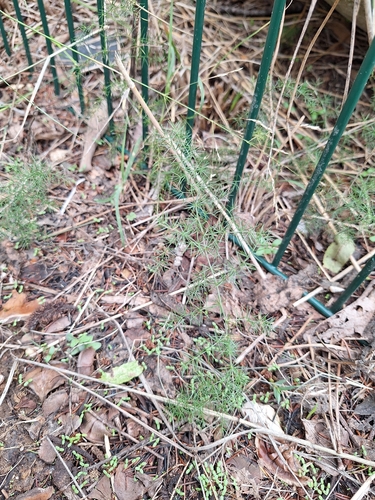
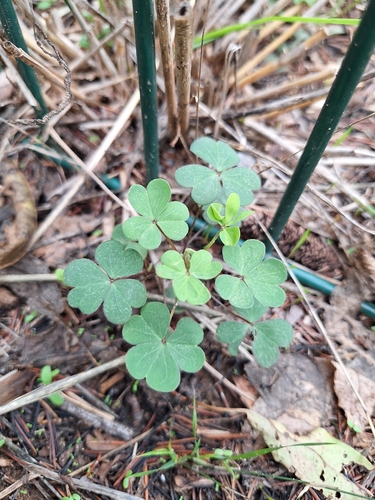
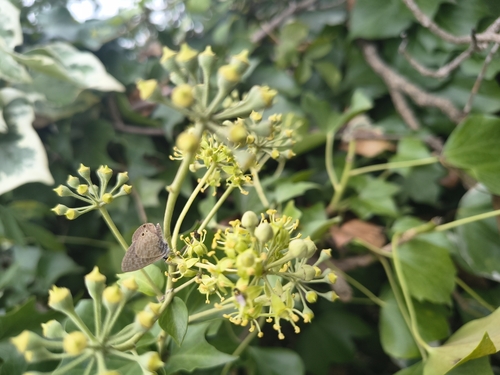
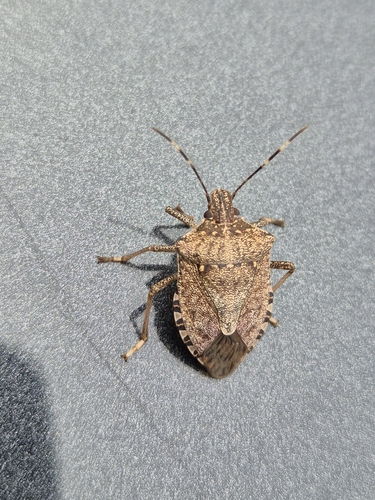
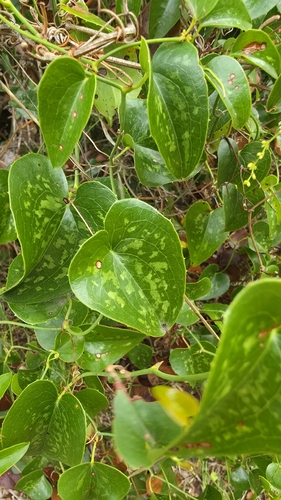
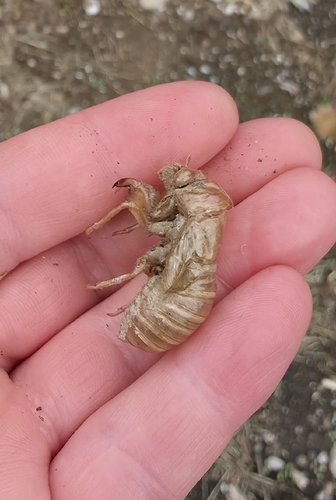
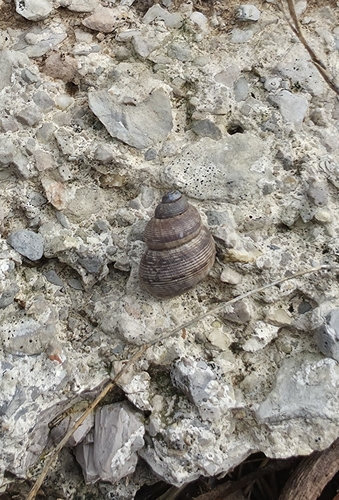
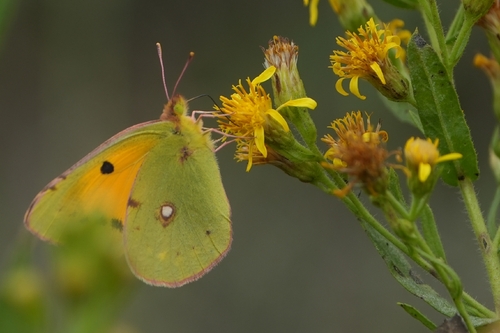
Research-grade observations from iNaturalist (within ~15 mi).
Events
Notable, recurring, and historical events associated with Montpellier, sourced from Wikidata.
- Tribute to Paul Varry in MontpellierOct 19, 2024demonstration
gathering on 19 October 2024 in front of the city hall of Montpellier in tribute to cyclist Paul Varry
Source: Wikidata (CC0).
Gallery
Official Identifiers
INSEE — French National Institute of Statistics
- INSEE code
- 34172
- Department
- 34
- Region
- 76
- Population (Wikidata)
- 310,240
geo.api.gouv.fr
Sources
- • Wikipedia
- • Wikidata
- • iNaturalist
- • Open-Meteo / sunrise-sunset.org
- • Wikipedia Pageviews API
- • Open Library
- • Wikidata SPARQL (CC0) — population, area, elevation, inception, head of government, Commons image
- • INSEE — French national statistics, via geo.api.gouv.fr (official commune code, population, surface, department, region)
- • INSEE — French National Institute of Statistics — geo.api.gouv.fr