Browse / Greece / Central Macedonia / Nea Potidea
Nea Potidea
Central Macedoniavillage

Nea Potidea
Total population
1,588
Air quality index
Demographic figures from ELSTAT. Overview below cites Wikipedia and may reference a different year.
City facts
Facts from Wikidata (CC0).
Overview
Nea Poteidaia is a town in the municipality of Nea Propontida in Chalkidiki, Greece. The location is the only land access to the Kassandra Peninsula. Built on the site of the ancient city of Potidaea, 33 kilometers south-west of Polygyros, it was re-founded in 1922 by Greek refugees from Platanos in Eastern Thrace and Kalolimnos which remained under Turkish rule. Today it has a population of 1,543 (2011).
Read more on WikipediaHistory & geography
History
Classical Potidaea, a colony of Corinth, was founded about 600 BC on the saddle of the Pallini Peninsula. As the name of the city denotes, its patron deity was Poseidon. During the expedition of Xerxes against Greece in 480 BC, the city was defeated following a siege. However, a year later it had gathered its forces and resisted the siege of Artavazos. In the same year, it was the only city of Macedonia which, along with other Greek cities, took part in the battle of Plataea, a Hellenic victory. Subsequently Potidea was a member of the first Athenian Alliance. It seceded in 432/1 BC with the support of the Corinthians and King Perdikas II. In 431 BC, after the siege by the Athenian general Kallias (in which Socrates fought bravely as Alcibiades recounts at the end of Plato's 'The Symposium'), it was subjugated and subsequently forced to take in settlers from Athens. When the Peloponnesian War was over, Potidea was freed from the domination of Athens but received a second wave of Athenian settlers in 362/1 BC. In 356 BC, it was destroyed by the king of Macedonia, Philip II and was turned over to the Olynthians. In 349/8 BC the city along with the rest of the cities of Chalkidiki became part of the Macedonian Kingdom. After a period of desertion of about 40 years, in 316 BC, Kassandros built a new city on the site of Potidea, which was named after him, Kassandria (this may indicate that he intended to make it his capital, or at least an important naval base). In the following period until Macedonia was conquered by the Romans (168 BC), Kassandria developed into one of the most powerful cities of Macedonia. It was almost certainly during this time that the canal was opened, which facilitated navigation and boosted trade and economic development. In 168 BC, the city…
Excerpted from the corresponding Wikipedia article (CC BY-SA).
Geography
Coordinates & boundaries from the US Census TIGER/Line shapefiles.
Climate
Air quality
Current readings from Open-Meteo Air Quality API (Copernicus CAMS European reanalysis).
Walkability
Amenities nearby
Wildlife & biodiversity
Most-observed species
- Yellow-legged GullLarus michahellis J.F.Naumann, 1840 · Aves173
- House SparrowPasser domesticus (Linnaeus, 1758) · Aves156
- Crested LarkGalerida cristata (Linnaeus, 1758) · Aves149
- Barn SwallowHirundo rustica Linnaeus, 1758 · Aves132
- Hooded CrowCorvus cornix Linnaeus, 1758 · Aves129
- Eurasian Collared-DoveStreptopelia decaocto (Frivaldszky, 1838) · Aves124
- Eurasian MagpiePica pica (Linnaeus, 1758) · Aves108
- European StarlingSturnus vulgaris Linnaeus, 1758 · Aves95
Citizen-science & research observations from the Global Biodiversity Information Facility (GBIF).
Earthquake history
Most recent
- M 4.9 — 2026-03-257 km E of Ouranoupolis, Greece
- M 4.3 — 2025-11-1310 km SSE of Ouranoupolis, Greece
- M 4.9 — 2025-09-2210 km WNW of Karyes, Greece
- M 4.1 — 2025-08-126 km WNW of Karyes, Greece
- M 4.3 — 2025-06-1624 km SSW of Pefkochóri, Greece
- M 4.4 — 2025-06-105 km ENE of Ouranoupolis, Greece
Events from the USGS Earthquake Catalog (global) (FDSN Event Web Service).
Photos
Sights & places nearby
Notable people from here

People born within ~10 km, from Wikidata (CC0). Click any name for their Wikipedia article.
Nearby places in Central Macedonia
- Agios Mamas4.6 mi away
- Paralia Dionisiou5.6 mi away · pop. 736
- Nea Fokea5.6 mi away · pop. 1,721
- Portaria6.4 mi away · pop. 1,405
- Olynthos6.7 mi away · pop. 1,131
- Nea Flogita7.2 mi away · pop. 1,604
- Zografou7.4 mi away
- Nea Plagia8.2 mi away · pop. 1,249
- Gerakini8.5 mi away
- Agios Panteleimonas9.5 mi away
- Kallithea10.4 mi away
- Kassandreia11 mi away
Geography & sun
Elevation, sunrise/sunset and daylight from Open-Meteo. Solar climatology from NASA POWER.
Nearby airports
Public attention
Pageview totals from the Wikimedia Pageviews API.
Books about this place
Recent natural events nearby
Ground air-quality sensors
Recently spotted species
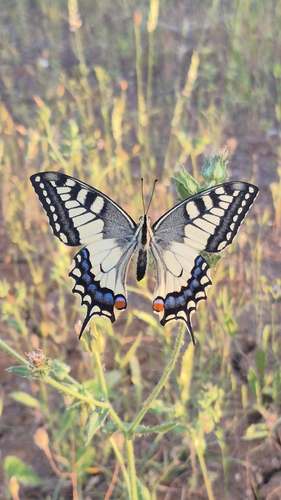
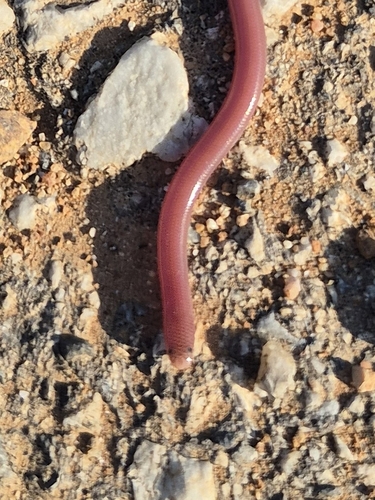
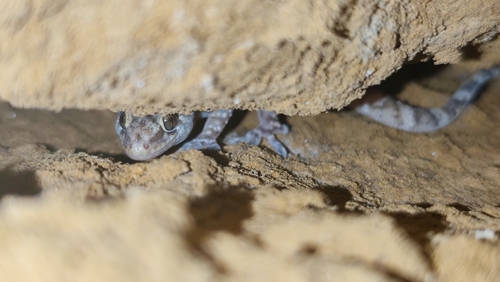
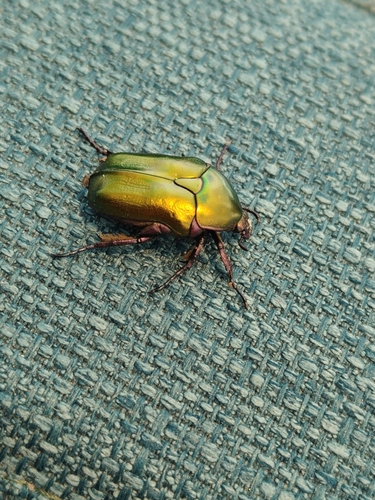
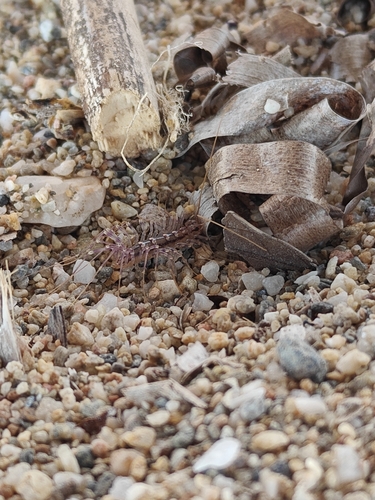
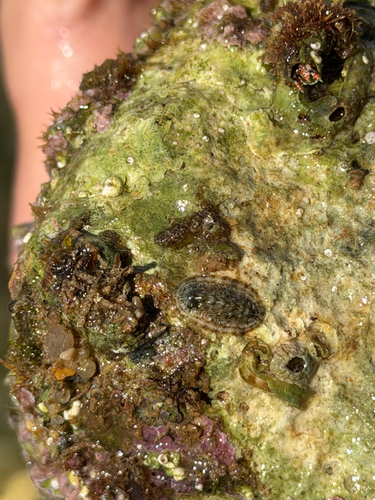
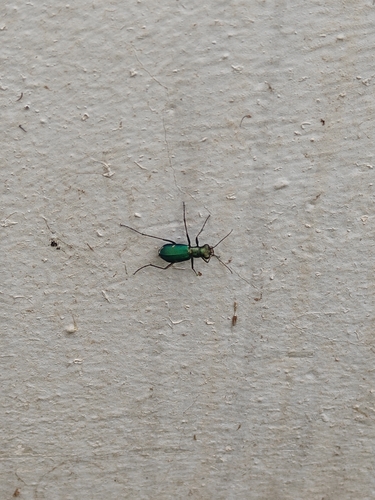
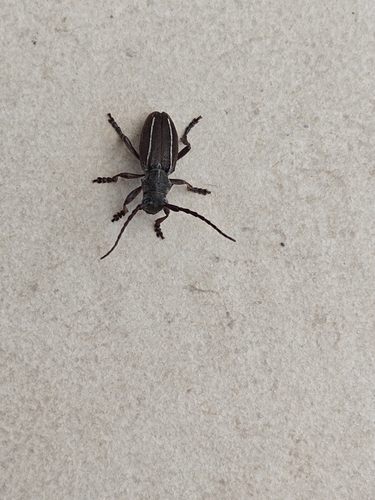
Research-grade observations from iNaturalist (within ~15 mi).
Events
Gallery
Geotagged photos within ~6 miles of Nea Potidea, from Wikimedia Commons contributors.
 0.1 mi
 0.1 mi
 0.1 mi
 0.1 mi
 0.1 mi
 0.1 mi
 0.1 mi
 0.1 mi
 0.2 mi
 0.2 mi
 0.3 mi
 0.3 mi
.jpg) 0.4 mi
0.4 mi.jpg) 0.4 mi
0.4 mi.jpg) 0.4 mi
0.4 mi.jpg) 0.4 mi
0.4 mi.jpg) 0.4 mi
0.4 mi.jpg) 0.4 mi
0.4 mi.jpg) 0.4 mi
0.4 mi.jpg) 0.4 mi
0.4 mi.jpg) 0.4 mi
0.4 mi.jpg) 0.4 mi
0.4 mi.jpg) 0.4 mi
0.4 mi.jpg) 0.4 mi
0.4 miPhotos via Wikimedia Commons — see each image page for license & attribution.
Official Identifiers
ELSTAT — Hellenic Statistical Authority
- ELSTAT code
- 13040106
- Population (Wikidata)
- 1,543
- Wikidata
- Q21448827
ELSTAT geographical code via Wikidata P1116
Sources
- • Wikipedia
- • Wikimedia Commons
- • Wikidata
- • Open-Meteo Air Quality (CAMS)
- • USGS Earthquake Catalog (global feed)
- • GBIF (Global Biodiversity Information Facility)
- • iNaturalist
- • Open-Meteo / sunrise-sunset.org
- • Wikipedia Pageviews API
- • ELSTAT — Hellenic Statistical Authority — ELSTAT geographical code via Wikidata P1116