Browse / Guinea-Bissau / Bissau / Bissau
Bissau
Bissaucity

Bissau
Total population
395,954
Founded
1687
Demographic figures from INE Guinea-Bissau. Overview below cites Wikipedia and may reference a different year.
City facts
Facts from Wikidata (CC0).
Overview
Bissau is the capital and largest city of Guinea-Bissau. As of 2015, it had a population of 492,004. Bissau is located on the Geba River estuary, off the Atlantic Ocean, and is Guinea-Bissau's major port, as well as the country's administrative and military center.
Read more on WikipediaHistory & geography
History
From well before the arrival of Europeans to the early 20th century, the island of Bissau was governed as a kingdom inhabited by the Papel people. According to oral tradition, the kingdom was founded by Mecau, the son of the king of Quinara (Guinala), who moved to the area with his pregnant sister, six wives, and subjects of his father's kingdom. The kingdom was composed of seven clans, descended from the sister and six wives. The Bossassun clan, which descends from the sister, inherited the throne. The Kingdom of Bissau was highly stratified. The king's coronation involved the practice of binding and beating the king, as the king should know what punishment felt like before administering it, as well as the presentation of a spear, the royal badge of office. When the Portuguese began to trade there in the 16th century, the king of Bissau was among the most supportive monarchs of the region. In 1680 Bissau even helped the Portuguese in a conflict with the Papels of Cacheu. The city was founded in 1687 as a Portuguese trading post. During this same period French activities in the area were increasing. Although the king of Bissau Bacompolco refused them permission to build a fort, he did grant them a trading factory, from which they shipped thousands of slaves, among other things. In response the Portuguese established the captaincy-general of Bissau, and by 1696 the town had a fort, a church, and a hospital. It was the main emporium for trade on and south of the Geba river, and was rivaling if not eclipsing Cacheu in importance. Bacompulco died in 1696. King Incinhate emerged from the ensuing succession dispute despite tacit Portuguese opposition, and relations rapidly deteriorated. When Captain-General Pinheiro tried to enforce Portugal's monopoly in defiance of the…
Geography
Bissau is located on the Geba River estuary, off the Atlantic Ocean. The land surrounding the city is extremely low-lying, and the river is accessible to ocean-going vessels despite its modest discharge for about beyond the city. Bissau has a tropical savanna climate (Köppen Aw), not quite wet enough to qualify as a tropical monsoon climate (Am) but much wetter than most climates of its type. Almost no rain falls from November to May, but during the remaining five months of the year, the city receives around of rain.
Excerpted from the corresponding Wikipedia article (CC BY-SA).
Geography
Coordinates & boundaries from the US Census TIGER/Line shapefiles.
Climate
Air quality
Walkability
Amenities nearby
Wildlife & biodiversity
Most-observed species
- Hooded VultureNecrosyrtes monachus (Temminck, 1823) · Aves189
- Common BulbulPycnonotus barbatus (Desfontaines, 1789) · Aves178
- Pied CrowCorvus albus Statius Muller, 1776 · Aves176
- Yellow-crowned GonolekLaniarius barbarus (Linnaeus, 1766) · Aves124
- Laughing DoveSpilopelia senegalensis (Linnaeus, 1766) · Aves123
- Red-chested SwallowHirundo lucida Hartlaub, 1858 · Aves121
- Cattle EgretBubulcus ibis (Linnaeus, 1758) · Aves118
- Black KiteMilvus migrans (Boddaert, 1783) · Aves117
Citizen-science & research observations from the Global Biodiversity Information Facility (GBIF).
Earthquake history
Events from the USGS Earthquake Catalog (global) (FDSN Event Web Service).
Photos
Sights & places nearby
Notable people from here


People born within ~10 km, from Wikidata (CC0). Click any name for their Wikipedia article.
Geography & sun
Elevation, sunrise/sunset and daylight from Open-Meteo. Solar climatology from NASA POWER.
Nearby airports
Public attention
Pageview totals from the Wikimedia Pageviews API.
Books about Bissau
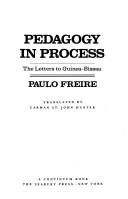


Search results from Open Library.
Recent natural events nearby
Ground air-quality sensors
Recently spotted species
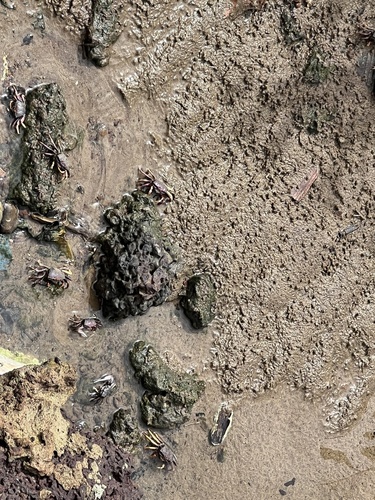
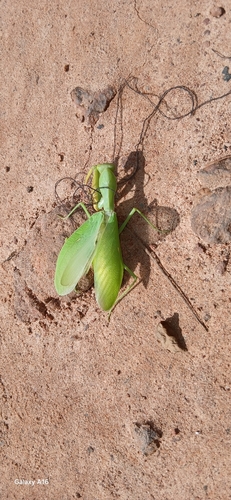
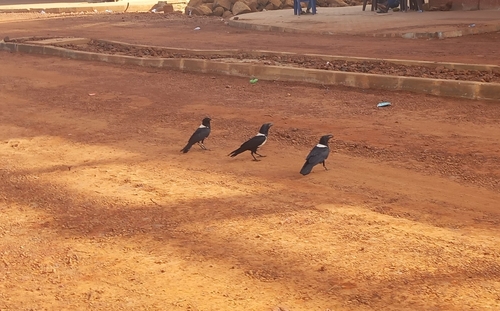
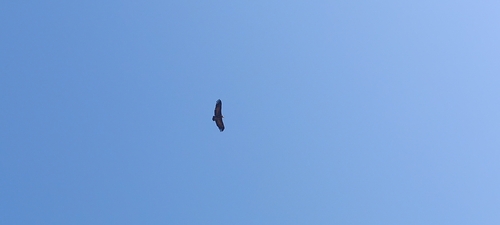
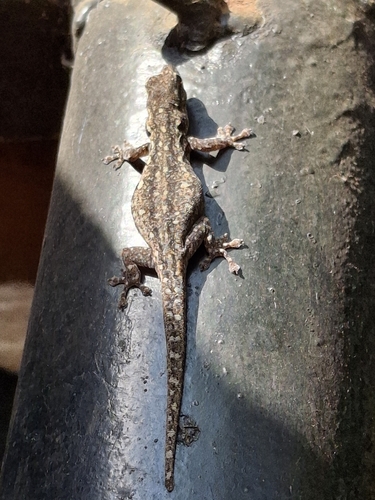
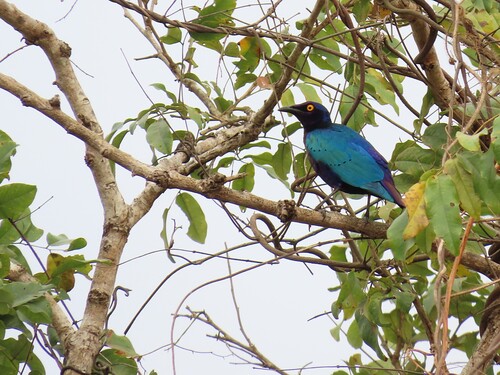
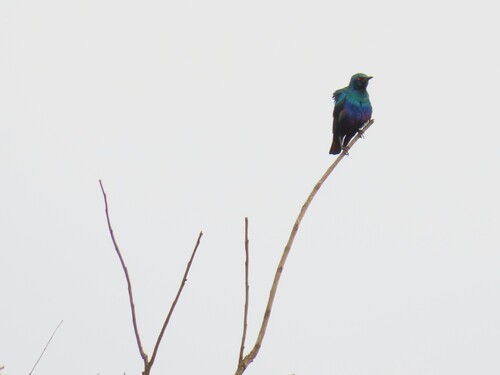
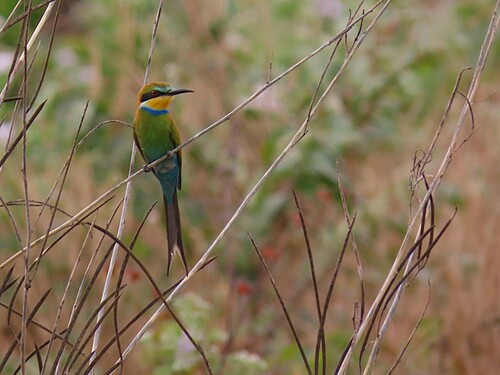
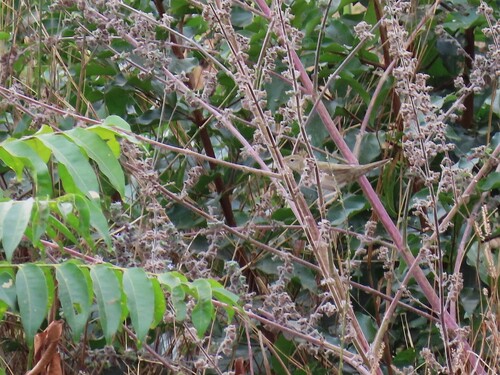
Research-grade observations from iNaturalist (within ~15 mi).
Events
Gallery
Sources
- • Wikipedia
- • Wikidata
- • USGS Earthquake Catalog (global feed)
- • GBIF (Global Biodiversity Information Facility)
- • iNaturalist
- • Open-Meteo / sunrise-sunset.org
- • Wikipedia Pageviews API
- • Open Library