Browse / Croatia / Istria / Rovinj
Rovinj
Istriatown

Rovinj
Total population
11,629
Demographic figures from Croatian Bureau of Statistics. Overview below cites Wikipedia and may reference a different year.
City facts
Facts from Wikidata (CC0).
Overview
Rovinj is a town in west Croatia situated on the north Adriatic Sea with a population of 12,968 (2021). Located on the western coast of the Istrian peninsula, it is a popular tourist resort and beach destination, in addition to being an active fishing port. Istriot, a Romance language once widely spoken in this part of Istria, is still spoken by some of the residents. The town is officially bilingual, Croatian and Italian, hence both town names are official and equal.
Read more on WikipediaHistory & geography
History
Rovinj was already a settlement of Venetian or Illyrian tribes before being captured by the Romans, who called it Arupinium or Mons Rubineus, and later Ruginium and Ruvinium. Rovinj was eventually incorporated into the Byzantine Empire, later becoming part of the Exarchate of Ravenna in the 6th century, before being taken over by the Frankish Empire in 788. For the following several centuries it was ruled by a succession of feudal lords, and in 1209 it was acquired by the Patriarchate of Aquileia under Wolfger von Erla. From 1283 to 1797, Rovinj was one of the most important towns in Istria governed by the Republic of Venice. During this period, three town gates were constructed and Rovinj was fortified by two rows of defensive walls, remains of which can still be seen today. The Rovinj pier is home to one of the old town gates, Balbi's Arch, dating from 1680, and a late-Renaissance clock tower. The first town statute was proclaimed in 1531. Rovinj, built on an island close to the coast, became connected to the mainland by filling in the channel only in 1763. Following the fall of Venice in 1797 and the ensuing Napoleonic interlude, Rovinj became part of the Austrian Empire, which lasted until World War I. According to the last Austrian census in 1911, 97.8% of the population was Italian-speaking. Rovinj then belonged to Kingdom of Italy from 1918 to 1947, when it was ceded to SFR Yugoslavia, as part of SR Croatia. The original town name "Rovigno" was then changed to "Rovinj". During the post-war period, many Italian inhabitants left Rovigno, leading to significant changes in the town's demographic structure. Following Croatia's independence in 1991, Rovinj became one of the most important centers of Istria County, an administrative unit encompassing most of…
Excerpted from the corresponding Wikipedia article (CC BY-SA).
Geography
Coordinates & boundaries from the US Census TIGER/Line shapefiles.
Climate
Air quality
Walkability
Amenities nearby
Wildlife & biodiversity
Earthquake history
Photos
Sights & places nearby
Notable people from here


People born within ~10 km, from Wikidata (CC0). Click any name for their Wikipedia article.
Nearby places in Istria
- Rovinjsko Selo4 mi away · pop. 1,339
- Delići6.8 mi away · pop. 21
- Stranići kod Lovreča7.1 mi away · pop. 41
- Kurili7.3 mi away · pop. 38
- Jakići Dolinji7.6 mi away · pop. 24
- Sveti Lovreč Pazenatički8.2 mi away · pop. 267
- Korenići8.5 mi away · pop. 29
- Radmani8.6 mi away · pop. 241
- Mušalež9 mi away · pop. 366
- Matulini9.5 mi away · pop. 16
- Orbani9.6 mi away · pop. 18
- Ladići9.7 mi away · pop. 34
Geography & sun
Elevation, sunrise/sunset and daylight from Open-Meteo. Solar climatology from NASA POWER.
Nearby airports
Public attention
Pageview totals from the Wikimedia Pageviews API.
Books about Rovinj

Search results from Open Library.
Recent natural events nearby
Ground air-quality sensors
Recently spotted species
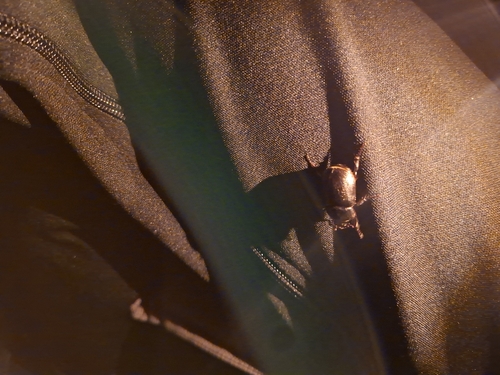
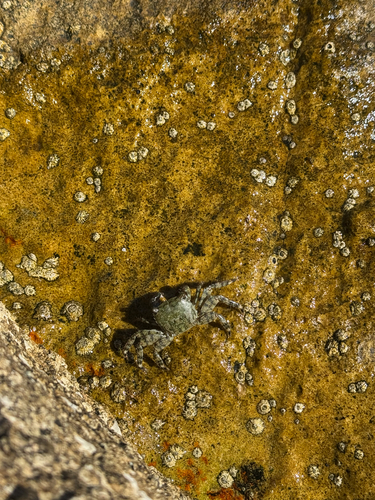
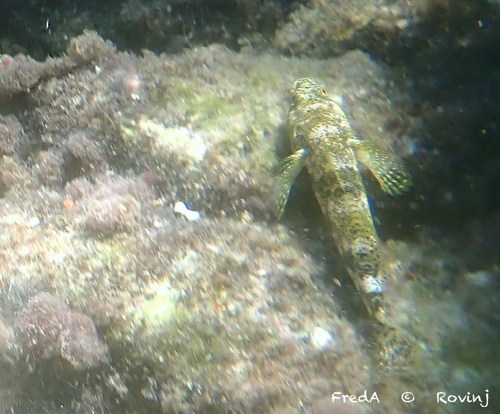
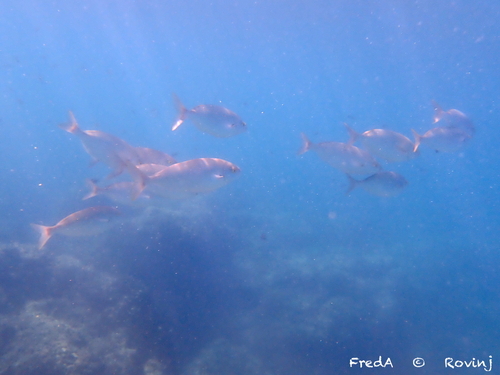
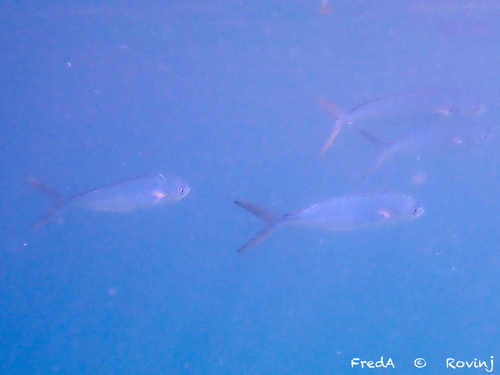
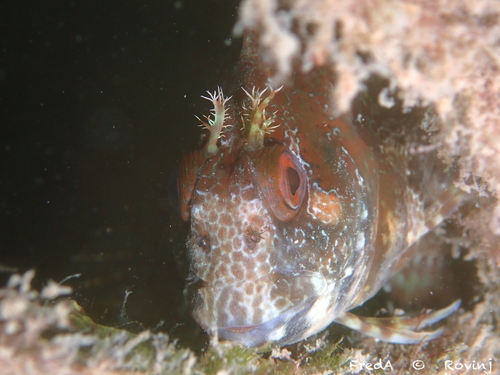
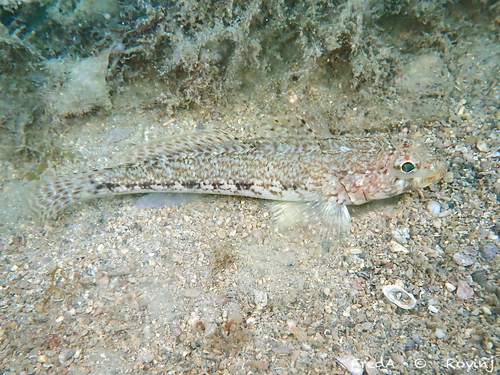
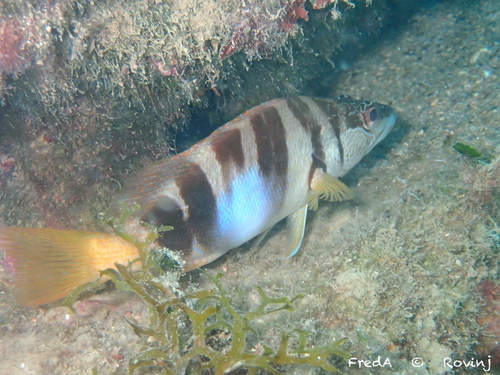
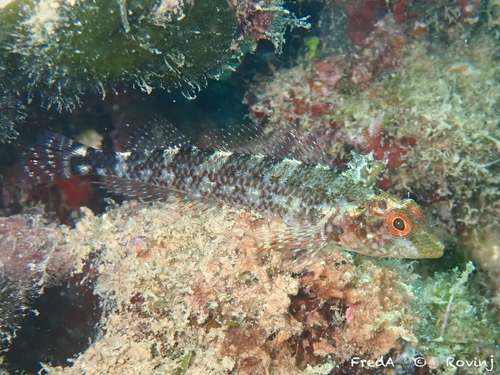
Research-grade observations from iNaturalist (within ~15 mi).
Events
Gallery
Sources
- • Wikipedia
- • Wikidata
- • iNaturalist
- • Open-Meteo / sunrise-sunset.org
- • Wikipedia Pageviews API
- • Open Library