Browse / Croatia / Sisak-Moslavina / Sisak
Sisak
Sisak-Moslavinacity

Sisak
Total population
40,185
Demographic figures from Croatian Bureau of Statistics. Overview below cites Wikipedia and may reference a different year.
City facts
Facts from Wikidata (CC0).
Overview
Sisak is a city in central Croatia, spanning the confluence of the Kupa, Sava and Odra rivers, 57 km (35 mi) southeast of the Croatian capital Zagreb, and is usually considered to be where the Posavina begins, with an elevation of 99 m. The city's total population in 2021 was 40,185 of which 27,886 live in the urban settlement (naselje).
Read more on WikipediaHistory & geography
History
Siscia is described by Roman writers as a great town in the south of Upper Pannonia, on the southern bank of the Savus, on an island formed by that river and two others, the Colapis and Odra, a canal dug by Tiberius completing the island. According to Pliny the name Segestica belonged only to the island, and the town was called Siscia; while Strabo says that Siscia was a fort in the neighbourhood of Segestica; but if this was so, it must be supposed that subsequently the fort and town became united as one place. Siscia was from the first a strongly fortified town; and after its capture by Tiberius, in the reign of Augustus, it became one of the most important places of Pannonia; for being on two navigable rivers, it not only carried on considerable commerce, but became the central point from which Augustus and Tiberius carried on their undertakings against the Pannonians and Illyrians. Tiberius did much to enlarge and embellish the town, which as early as that time seems to have been made a , for Pliny mentions it as such: in the time of Septimius Severus it received fresh colonists, whence in inscriptions it is called Col. Septimia Siscia. The town contained an imperial mint, which produced coins under a series of emperors between 262 and 383 AD. The Christian martyr Quirinus of Sescia, presumed the first bishop of the Diocese of Sescia, was tortured and nearly killed during Diocletian's persecution of Christians. Legend has it that they tied him to a millstone and threw him into a river, but he freed himself from the weight, escaped and continued to preach his faith. Today he is the patron saint of Sisak. When Diocletian split Pannonia into four provinces, Siscia became the capital of Pannonia Savia, the southwestern one, for which Siscia contained the treasury; at…
Geography
Since records began in 1949, the highest temperature recorded at the local weather station at an elevation of was , on 24 August 2012. The coldest temperature was , on 12 January 1985.
Excerpted from the corresponding Wikipedia article (CC BY-SA).
Geography
Coordinates & boundaries from the US Census TIGER/Line shapefiles.
Climate
Air quality
Walkability
Amenities nearby
Wildlife & biodiversity
Earthquake history
Photos
Sights & places nearby
Notable people from here


People born within ~10 km, from Wikidata (CC0). Click any name for their Wikipedia article.
Nearby places in Sisak-Moslavina
- Staro Pračno1.4 mi away · pop. 895
- Žabno1.7 mi away · pop. 511
- Odra Sisačka1.8 mi away · pop. 823
- Strelečko2.3 mi away · pop. 537
- Bok Palanječki2.3 mi away · pop. 138
- Tišina Kaptolska2.5 mi away · pop. 259
- Hrastelnica2.5 mi away · pop. 744
- Stupno2.6 mi away · pop. 484
- Stara Drenčina2.8 mi away · pop. 179
- Palanjek2.8 mi away · pop. 318
- Tišina Erdedska3 mi away · pop. 305
- Budaševo3.2 mi away · pop. 1,664
Geography & sun
Elevation, sunrise/sunset and daylight from Open-Meteo. Solar climatology from NASA POWER.
Nearby airports
Public attention
Pageview totals from the Wikimedia Pageviews API.
Books about this place
Recent natural events nearby
Ground air-quality sensors
Recently spotted species
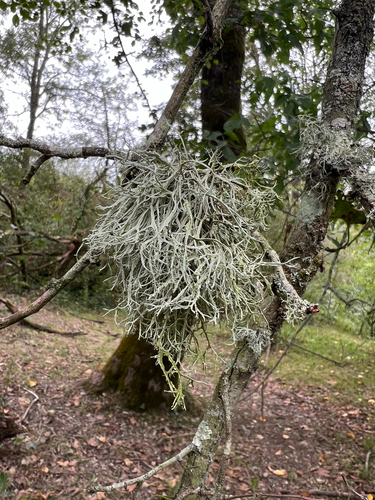
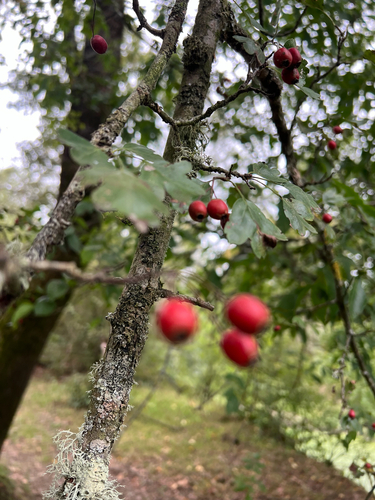
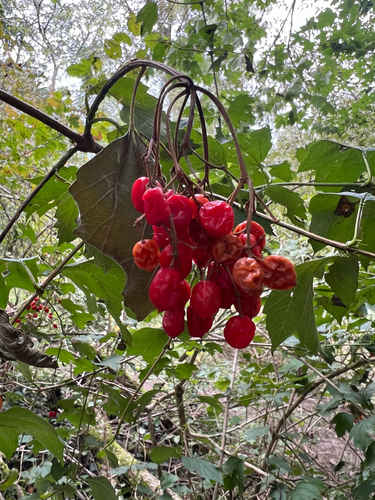
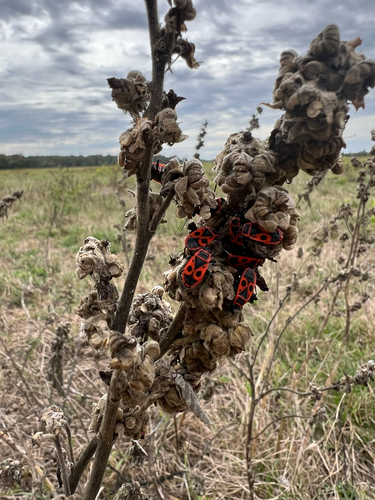
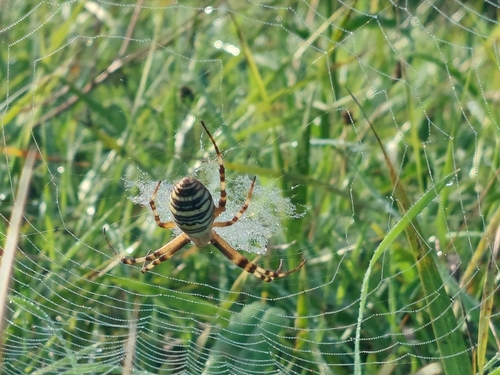
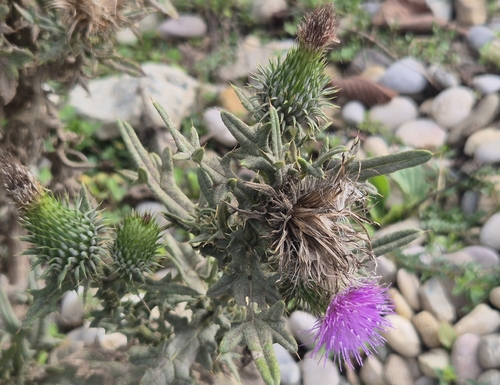
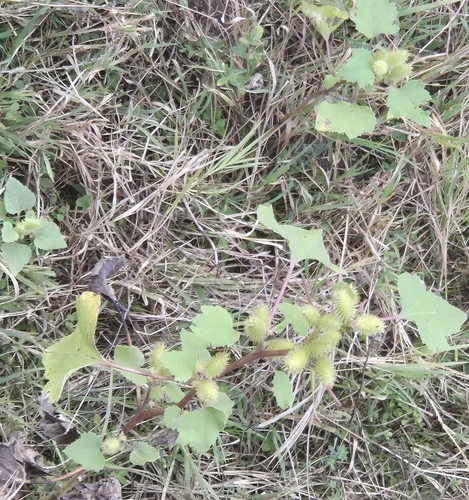
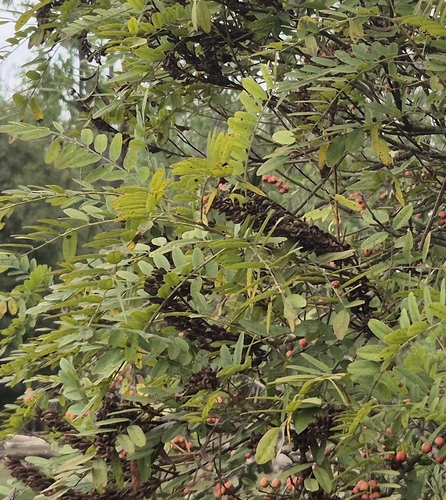
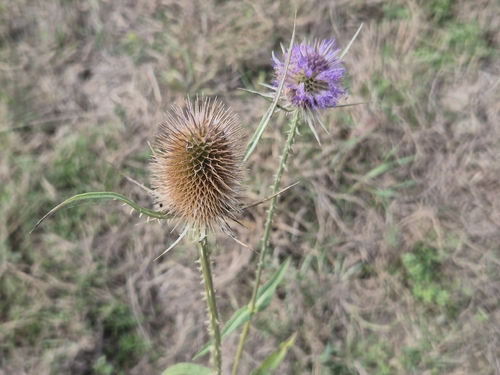
Research-grade observations from iNaturalist (within ~15 mi).
Events
Notable, recurring, and historical events associated with Sisak, sourced from Wikidata.
- 2019-2020 Croatian Figure Skating Championships - senior men's singlesDec 14, 2019sporting event
part of a figure skating competition
- 2019-2020 Croatian Figure Skating Championships - senior synchronized skatingDec 14, 2019sporting event
part of a figure skating competition
- 2019-2020 Croatian Figure Skating Championships - senior ladies' singlesDec 14, 2019sporting event
part of a figure skating competition
Source: Wikidata (CC0).
Gallery
Sources
- • Wikipedia
- • Wikidata
- • iNaturalist
- • Open-Meteo / sunrise-sunset.org
- • Wikipedia Pageviews API