Browse / India / Rajasthan / Bikaner
Bikaner
Rajasthancity

Bikaner
Total population
647,804
Demographic figures from Ministry of Statistics (India). Overview below cites Wikipedia and may reference a different year.
City facts
Sister cities
Facts from Wikidata (CC0).
Overview
Bikaner is a city in the Indian state of Rajasthan. It is situated approximately 330 kilometres (205 mi) northwest of the state capital, Jaipur, in the Thar Desert region of western Rajasthan. Bikaner serves as the administrative headquarters of Bikaner District and Bikaner division. Formerly the capital of the princely Bikaner State, the city was founded in 1488 CE by Rao Bika, a Rajput chief of the Rathore dynasty. From its small origins it has developed into the fourth largest city in Rajasthan. The Ganga Canal, completed in 1928, and the Indira Gandhi Canal, completed in 1987, facilitated its development.
Read more on WikipediaHistory & geography
History
Prior to the mid 15th century, the region that is now Bikaner was a barren wilderness called Jangladesh. Rao Bika established the city of Bikaner in 1488. He was the first son of Maharaja Rao Jodha of the Rathore clan, the founder of Jodhpur and conquered the largely arid country in the north of Rajasthan. As the first son of Jodha he wanted to have his own kingdom, not inheriting Jodhpur from his father or the title of Maharaja. He therefore decided to build his own kingdom in what is now the state of Bikaner, in the area of Jangladesh. Though it was in the Thar Desert, Bikaner was considered an oasis on the trade route between Central Asia and the Gujarat coast as it had adequate spring water. Bika's name was attached to the city he built and to the state of Bikaner ("the settlement of Bika") that he established. Bika built a fort in 1478, which is now in ruins, and a hundred years later a new fort was built about 1.5 km from the city centre, known as the Junagarh Fort. Around a century after Rao Bika founded Bikaner, the state's fortunes flourished under the sixth Raja, Rai Singhji, who ruled from 1571 to 1611. During the Mughal Empire's rule in the country, Raja Rai Singh accepted the suzerainty of the Mughals and held a high rank as an army general at the court of the Emperor Akbar and his son, the Emperor Jahangir. Rai Singh's successful military exploits, which involved winning half of Mewar kingdom for the Empire, won him accolades and rewards from the Mughal emperors. He was given the jagirs (lands) of Gujarat and Burhanpur. With the large revenue earned from these jagirs, he built the Chintamani Durg (Junagarh fort) on a plain that has an average elevation of . He was an expert in arts and architecture, and the knowledge he acquired during his visits abroad…
Geography
Bikaner is situated in the middle of the Thar Desert and has a hot desert climate (Köppen climate classification BWh), with very infrequent monsoonal rainfall and extreme temperatures. In summer temperatures can exceed , and during the winter they may dip below freezing. The climate in Bikaner is characterised by significant variations in temperature. In the summer season it is very hot when the temperatures lie in the range of . In the winter, it is fairly cold with temperatures lying in the range of . Annual rainfall is around , Rainfall is also confined almost entirely to the monsoon from June to September and is extremely variable from year to year: only fell in 1899, but as much as in 1945. The highest ever temperature recorded is on 19 May 2016 and lowest ever recorded is on 26 January 1964. A variety of birds, mammals and reptiles live in Bikaner's semi-arid climate. Initiatives are being taken to bring back the number of vultures which have dwindled. There are around 600 resident vultures at Jorbeer. The region is host to another 1,200 migratory vultures. Local varieties include Egyptian and King Vultures. The most common migratory vulture is Eurasian Griffon coming from Spain and Turkey. Other migratory vultures include Cinereous and Himalayan Griffons. Saw-scaled Viper is also native to Bikaner. Gajner Wildlife Sanctuary is located 32 km west of the Bikaner.
Excerpted from the corresponding Wikipedia article (CC BY-SA).
Geography
Coordinates & boundaries from the US Census TIGER/Line shapefiles.
Climate
Air quality
Walkability
Amenities nearby
Wildlife & biodiversity
Earthquake history
Photos
Sights & places nearby
Notable people from here


People born within ~10 km, from Wikidata (CC0). Click any name for their Wikipedia article.
Nearby places in Rajasthan
- Baori96.8 mi away · pop. 10,700
- Jodhpur120 mi away · pop. 1,034,000
- Pushkar130.2 mi away · pop. 21,600
- Shergarh132.5 mi away · pop. 6,100
- Ajmer134.2 mi away · pop. 542,600
- Rohat142.6 mi away · pop. 6,900
- Nasirabad147.4 mi away · pop. 50,800
- Pali155.3 mi away · pop. 230,000
- Marwar Junction159.3 mi away · pop. 12,000
- Balotra164.6 mi away · pop. 74,500
- Vijainagar165.9 mi away · pop. 32,100
- Ahore185.9 mi away · pop. 16,900
Geography & sun
Elevation, sunrise/sunset and daylight from Open-Meteo. Solar climatology from NASA POWER.
Nearby airports
Public attention
Pageview totals from the Wikimedia Pageviews API.
Books about Bikaner
Search results from Open Library.
Recent natural events nearby
Ground air-quality sensors
Recently spotted species

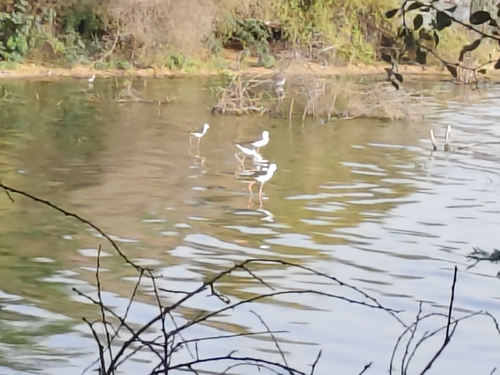
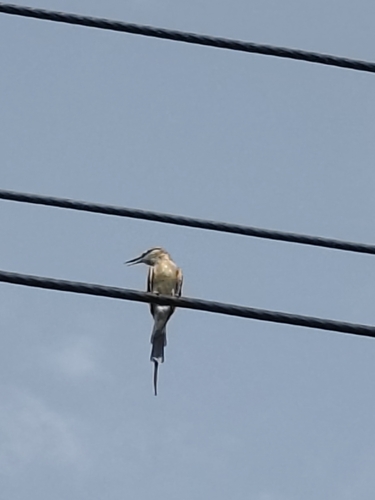
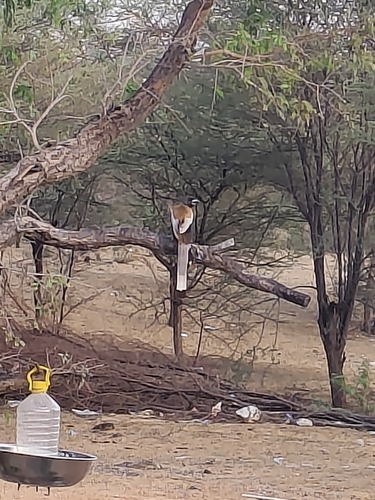
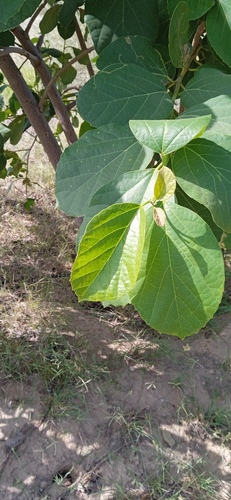
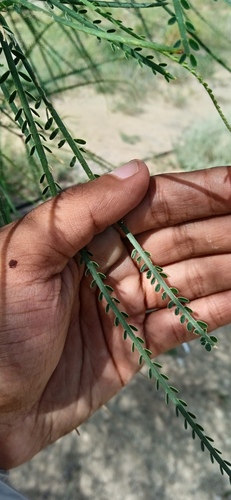
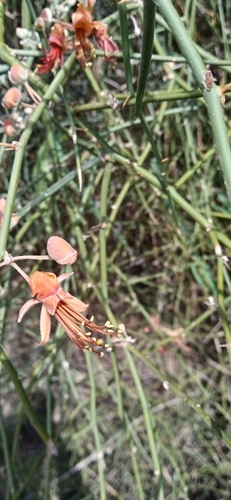
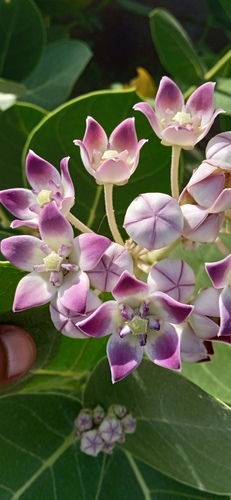
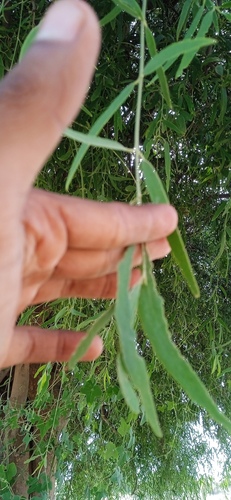
Research-grade observations from iNaturalist (within ~15 mi).
Events
Notable, recurring, and historical events associated with Bikaner, sourced from Wikidata.
Source: Wikidata (CC0).
Gallery
Sources
- • Wikipedia
- • Wikidata
- • iNaturalist
- • Open-Meteo / sunrise-sunset.org
- • Wikipedia Pageviews API
- • Open Library