Leh
Ladakhcity

Leh
Total population
30,870
Demographic figures from Ministry of Statistics (India). Overview below cites Wikipedia and may reference a different year.
City facts
Overview
Leh is a city in Indian-administered Ladakh in the disputed Kashmir region. It is the largest city and the joint capital of Ladakh. Leh, located in the Leh district, has been the capital of Ladakh since the medieval period and was historically capital of the Kingdom of Ladakh.
Read more on WikipediaHistory & geography
History
Leh was for centuries an important stopover on trade routes along the Indus Valley between Tibet, Kashmir, India and China. The main goods carried were salt, grain, pashm or cashmere wool, charas or cannabis resin from the Tarim Basin, indigo, silk yarn and Banaras brocade. Although there are a few indications that the Chinese knew of a trade route through Ladakh to India as early as the Kushan period (1st to 3rd centuries AD), and certainly by the Tang dynasty, little is actually known of the history of the region before the end of the 10th century, when Tibetan prince Skyid lde nyima gon (or Kyide Nyimagon), a grandson of the anti-Buddhist Tibetan king, Langdarma (r. c. 838 to 841), founded the kingdom. He conquered Western Tibet, although his army originally numbered only 300 men. Several towns and castles are said to have been founded by Nyimagon, and he apparently ordered the construction of the primary sculptures at Shey. "In an inscription, he says he had them made for the religious benefit of the Tsenpo (the dynastical name of his father and ancestors), and of all the people of Ngaris (Western Tibet). This shows that already in this generation Langdarma's opposition to Buddhism had disappeared." Shey, 15 km east of modern Leh, was the ancient seat of the Ladakhi kings. During the reign of Delegs Namgyal (1660–1685), the Nawab of Kashmir, then a province in the Mughal Empire, arranged for the Mongol army to temporarily leave Ladakh, though it returned later. As payment for assisting Delegs Namgyal in the Tibet–Ladakh–Mughal war of 1679–1684, the Nawab made a number of onerous demands. One of the least was construction of a large Sunni Muslim mosque in Leh, at the upper end of the bazaar below Leh Palace. The mosque reflects a mixture of Muslim and Tibetan…
Geography
=== Topography === The city is located on the bank of the Indus River. The mountains dominate the landscape around the Leh, as it is at an altitude of . Peaks such as Nanga Sago can reach well above . The principal access roads include the Srinagar-Leh highway and the Leh-Manali Highway. Both roads are only open on a seasonal basis. Although the roads from Srinagar and Manali are often blocked by snow in winter, the local roads in the Indus Valley usually remain open due to the low levels of snowfall. Leh has a cold desert climate (Köppen climate classification BWk) with long, cold winters from late November to early March, with minimum temperatures well below freezing for most of the winter. The city gets occasional snowfall during winter, which is very cold by Indian standards, mainly due to its high elevation. The weather in the remaining months is generally fine and warm during the day. Average annual rainfall is only , with summer months seeing the most precipitation due to rare residual monsoon systems that enter the Himalayas. In 2010, the city experienced flash floods that killed more than 100 people. Since climate data was recorded in 1951, Leh's climate has significantly changed, with average temperatures rising by and yearly precipitation decreasing by .
Excerpted from the corresponding Wikipedia article (CC BY-SA).
Geography
Coordinates & boundaries from the US Census TIGER/Line shapefiles.
Climate
Air quality
Walkability
Amenities nearby
Wildlife & biodiversity
Earthquake history
Photos
Sights & places nearby
Notable people from here
Nearby places in Ladakh
Geography & sun
Elevation, sunrise/sunset and daylight from Open-Meteo. Solar climatology from NASA POWER.
Nearby airports
Public attention
Pageview totals from the Wikimedia Pageviews API.
Books about Leh
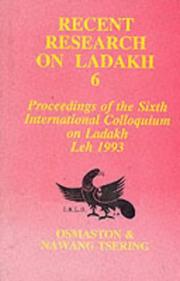
Search results from Open Library.
Recent natural events nearby
Ground air-quality sensors
Recently spotted species
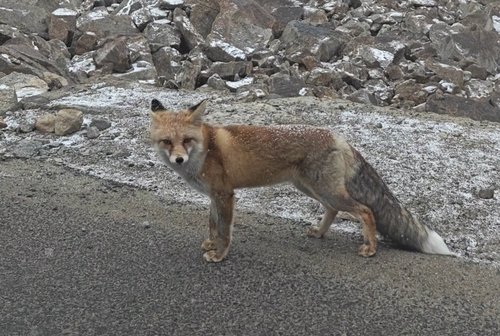
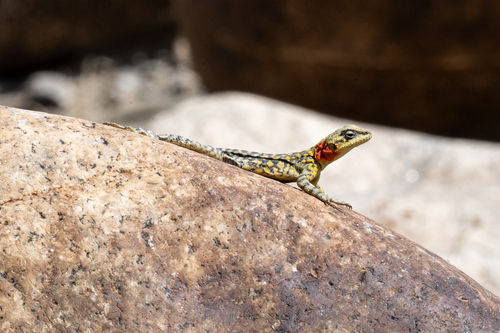
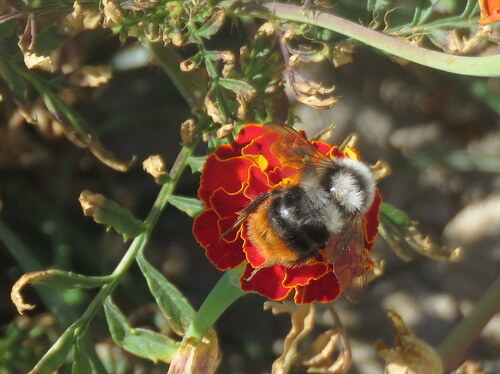
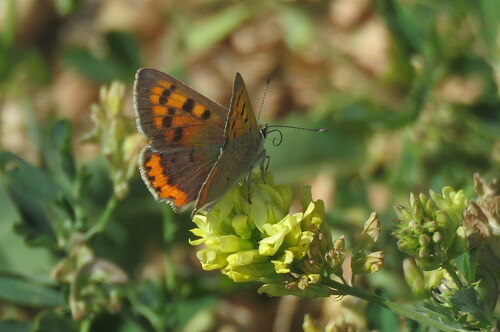
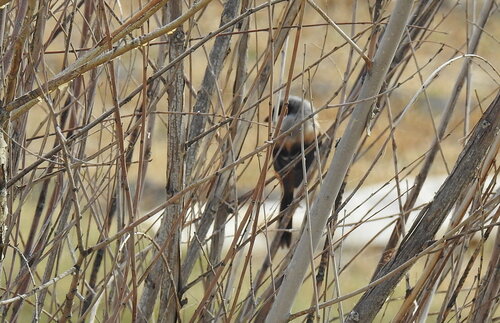
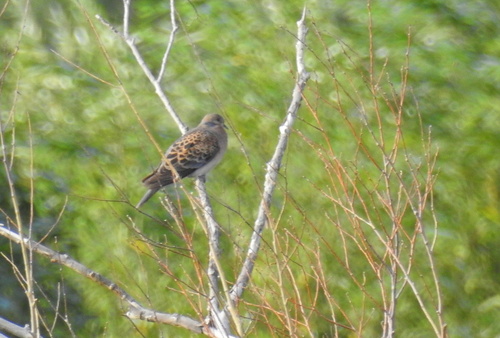
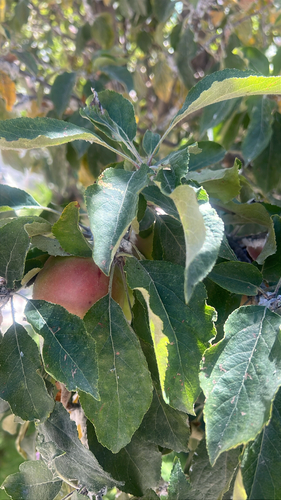
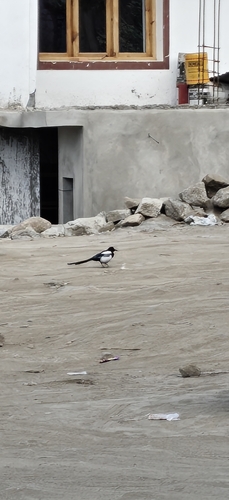
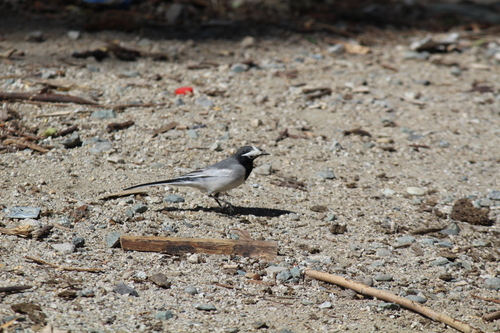
Research-grade observations from iNaturalist (within ~15 mi).
Events
Gallery
Sources
- • Wikipedia
- • iNaturalist
- • Open-Meteo / sunrise-sunset.org
- • Wikipedia Pageviews API
- • Open Library