Browse / India / Bihar / Rajgir
Rajgir
Bihartown

Rajgir
Total population
33,700
Demographic figures from Ministry of Statistics (India). Overview below cites Wikipedia and may reference a different year.
City facts
Facts from Wikidata (CC0).
Overview
Rajgir is an ancient city and university town in the Nalanda district of Bihar, India. It is also considered a cultural capital of Magadh. It was the capital of the Haryanka dynasty, the Pradyota dynasty, the Brihadratha dynasty, the Maurya Empire, and it was the retreat center for the Buddha and his sangha. Other historical figures such as Mahavira and king Bimbisara lived there, and due to its religious significance, the city holds a place of prominence in Buddhist, Jain and Hindu scriptures.
Read more on WikipediaHistory & geography
History
The epic Mahabharata calls it Girivraja and recounts the story of its king, Jarasandha, and his battle with the Pandava brothers and their allies Krishna. Mahabharata recounts a wrestling match between Bhima (one of the Pandavas) and Jarasandha, the then king of Magadha. Jarasandha was invincible as his body could rejoin any dismembered limbs. According to the legend, Bhima split Jarasandha into two and threw the two halves facing opposite to each other so that they could not join. There is a famous Jarasandha's Akhara (the place where martial arts are practised). Rajgir was the capital of Haryanka dynasty kings Bimbisara (558–491 BC) and Ajatashatru (492–460 BC). Ajatashatru kept his father Bimbisara in captivity here. The sources do not agree on which of the Buddha's royal contemporaries, Bimbisara and Ajatashatru, was responsible for its construction. It was the ancient capital city of the Magadha kings until the 5th century BC when Udayin (460–440 BC), son of Ajatashatru, moved the capital to Pataliputra (modern Patna). Shishunaga (413-395 BC) founded Shishunaga dynasty in 413 BC with Rajgir as its initial capital before it was moved to Pataliputra. It is associated with the founders of both the religions: Jainism and Buddhism, associated with both the historical Arihant Shraman Bhagawan Mahavira and Buddha. It was here that Gautama Buddha spent several months meditating, and preaching at Gridhra-kuta, ('Hill of the Vultures').It was also the relaxing place of him in Venuban which is a government owned tourist place now. He also delivered some of his famous sermons and initiated king Bimbisara of Magadha and others to Buddhism. It was here that Budhha delivered his famous Atanatiya Sutra. On one of the hills is the Saptaparni Cave where the First Buddhist Council…
Geography
The modern town of Rajgir lies just to the north of the Rajgir Hills, an isolated pair of parallel ridges that rise sharply up from the flat surrounding plains. The ancient site of Rajgir was located in the narrow valley between the two sets of hills. Historically, Rajgir was thought of as lying between five hills, but different texts give them different names (the Mahābhārata even gives two different lists of five names in the same chapter), making it difficult to identify the five hills with their modern counterparts. The modern names are Vaibhara, Vipula, Chaṭa (छठा-गिरि), Shaila, Udaya, Sona, and Ratnagiri. Rajgir is known for its hot springs, which have held religious significance since ancient times. The best-known today is Brahmakuṇḍa, and there are several other springs in this area whose waters merge to form a stream. Another prominent spring is the Sūryakuṇḍa, which is part of a cluster of springs on the north side of the hills. Sūryakuṇḍa's water is stagnant and murky and a favoured habitat by frogs. Another major water feature in the area is the Panchane River (from Pañcānanā, "having five mouths"), which flows to the east of Rajgir. It is home to a number of wild animals including: mammals – blue bull (Boselaphus tragocamelus), chital or spotted deer (Axis axis), Indian crested porcupine (Hystrix indica), small Indian civet (Viverricula indica), jungle cat (Felis chaus); birds – painted spurfowl (Galloperdix lunulata), Eurasian thick knee (Burhinus oedicnemus), painted sandgrouse (Pterocles indicus); reptiles and amphibians – Bengal monitor (Varanus bengalensis), Indian bullfrog (Hoplobatrachus tigerinus), Jerdon's bullfrog (Hoplobatrachus crassus), ornate narrow-mouthed frog (Microhyla ornata), and Indian tree frog (Polypedates maculatus).
Excerpted from the corresponding Wikipedia article (CC BY-SA).
Geography
Coordinates & boundaries from the US Census TIGER/Line shapefiles.
Climate
Air quality
Walkability
Amenities nearby
Wildlife & biodiversity
Earthquake history
Photos
Sights & places nearby
Notable people from here


People born within ~10 km, from Wikidata (CC0). Click any name for their Wikipedia article.
Geography & sun
Elevation, sunrise/sunset and daylight from Open-Meteo. Solar climatology from NASA POWER.
Nearby airports
Public attention
Pageview totals from the Wikimedia Pageviews API.
Books about Rajgir
Search results from Open Library.
Recent natural events nearby
Ground air-quality sensors
Recently spotted species
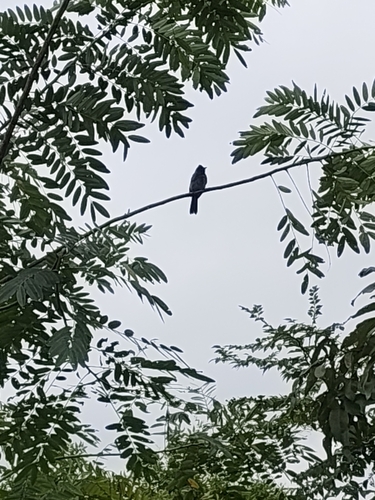
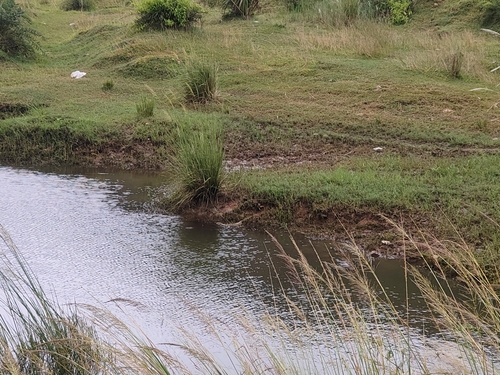
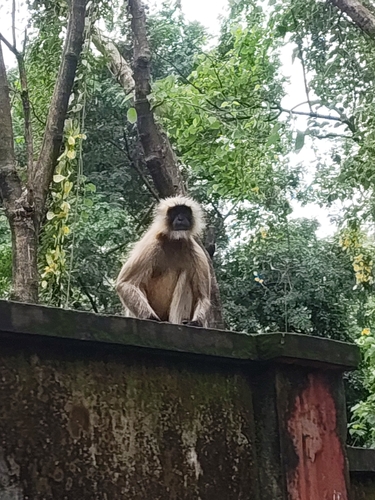
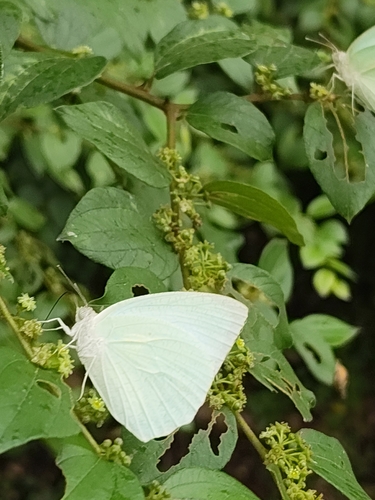
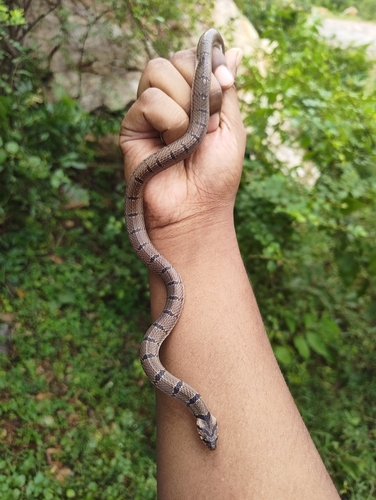
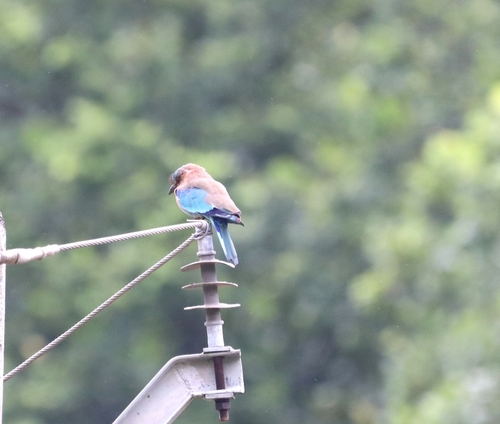
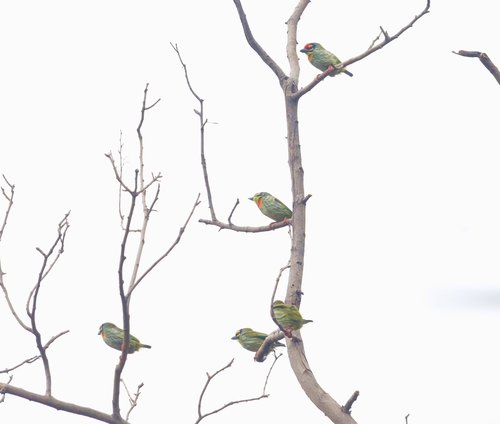
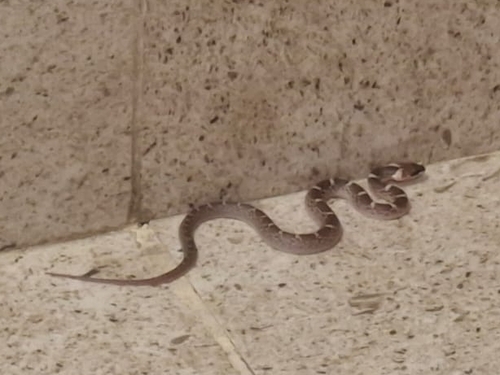
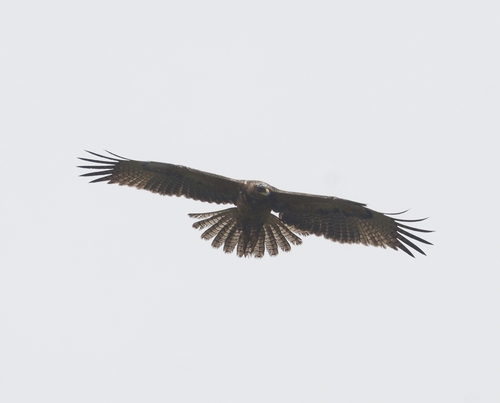
Research-grade observations from iNaturalist (within ~15 mi).
Events
Gallery
Sources
- • Wikipedia
- • Wikidata
- • iNaturalist
- • Open-Meteo / sunrise-sunset.org
- • Wikipedia Pageviews API
- • Open Library