Browse / Italy / Veneto / Bolca
Bolca
Venetovillage

Bolca
Total population
274
Demographic figures from ISTAT. Overview below cites Wikipedia and may reference a different year.
City facts
Overview
Bolca is a village in the Veneto, on the southern margin of the Italian Alps. It is a frazione of the comune of Vestenanova, in the province of Verona. The area is famous for the marine fossils from the lagerstätte of Monte Bolca. It was one of the first fossil sites with high quality preservation known to Europeans, and is still an important source of fossils from the Eocene.
Read more on WikipediaHistory & geography
History
The area was settled in prehistoric times, there are remains of a hill fort on Monte Purga dating from around 1000 BC. The Romans were active in the area, and by 1000 CE the village had come under the control of a convent of the Augustinian Eremitani. In the thirteenth century the fortunes of the Vestenanova area were closely tied to the Ghibelline Ezzelino III da Romano family, the Lords of Verona, whose estates were razed in 1260. The Mezzagonella's castle of "Bubulka cum Vulpiana" was seized by Mastino I della Scala, Ezzelino da Romano's successor, from Ludovico count of San Bonifacio during the 1269-70 war between the Guelphs and Ghibellines. From then on the village was part of Verona, but gained its independence in 1326 by edict of Cangrande I della Scala. In 1387 the area passed to the Duchy of Milan; under Gian Maria Visconti it fell to Venetian rule from 1410 until the fall of the Venetian Republic in 1797. After the defeat of Napoleon, the Kingdom of Lombardy–Venetia became part of the Austrian Empire, during which time Francis I of Austria spent three days in Bolca. In 1821 Bolca was split from Volpiano, the former being joined to Vestenanova, whilst Volpiano became a frazione of Crespadoro, a town now in the province of Vicenza. The fossils at Monte Bolca have been known since at least the 16th century, and were studied intensively in the 19th century once it was definitively proven that fossils were the remnants of dead animals.
Geography
Bolca lies in the Lessini Alps. Monte Bolca was originally at the bottom of the Tethys Ocean before being uplifted from the ocean floor during the formation of the Alps. This happened in two stages, one 24 million years ago and one between 30 and 50 million years ago.
Excerpted from the corresponding Wikipedia article (CC BY-SA).
Geography
Coordinates & boundaries from the US Census TIGER/Line shapefiles.
Climate
Air quality
Walkability
Amenities nearby
Wildlife & biodiversity
Earthquake history
Photos
Sights & places nearby
Notable people from here
Nearby places in Veneto
- San Pietro Vecchio1.9 mi away · pop. 452
- Altissimo2.4 mi away · pop. 2,263
- Mistrorighi2.7 mi away · pop. 120
- Nogarole Vicentino4.5 mi away · pop. 995
- Campiano6.2 mi away
- Roverè Veronese7 mi away · pop. 2,098
- Cerro Veronese8.3 mi away · pop. 2,043
- Monte di Malo8.6 mi away · pop. 2,755
- Tezze8.8 mi away
- Mezzane di Sotto8.8 mi away · pop. 1,880
- Illasi9 mi away · pop. 4,884
- Castelcerino9.3 mi away
Geography & sun
Elevation, sunrise/sunset and daylight from Open-Meteo. Solar climatology from NASA POWER.
Nearby airports
Public attention
Pageview totals from the Wikimedia Pageviews API.
Books about this place
Recent natural events nearby
Ground air-quality sensors
Recently spotted species
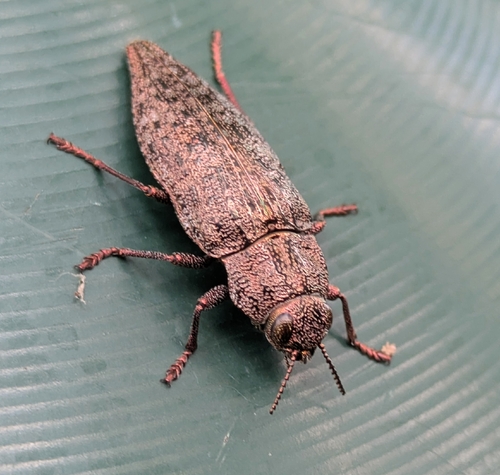
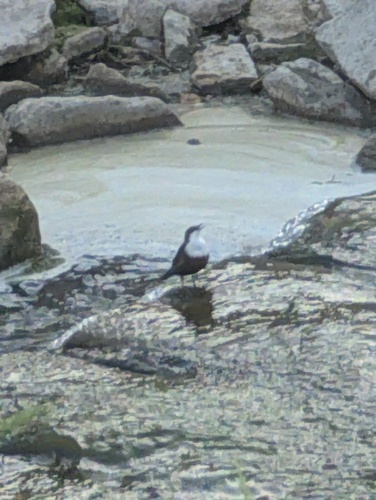
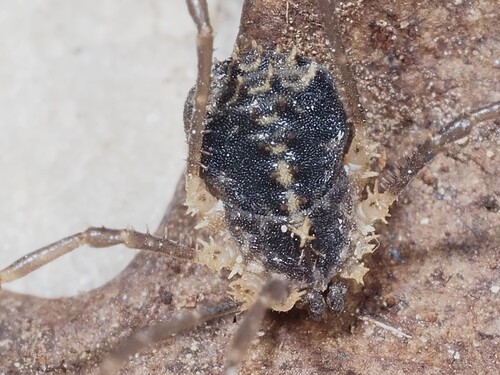
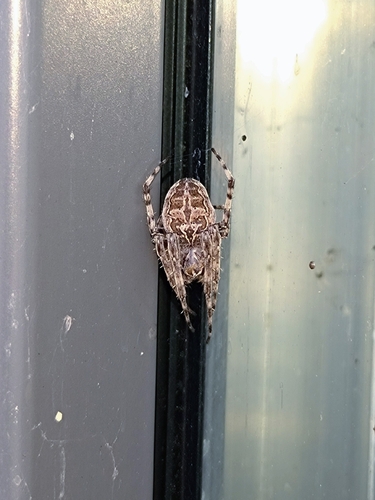
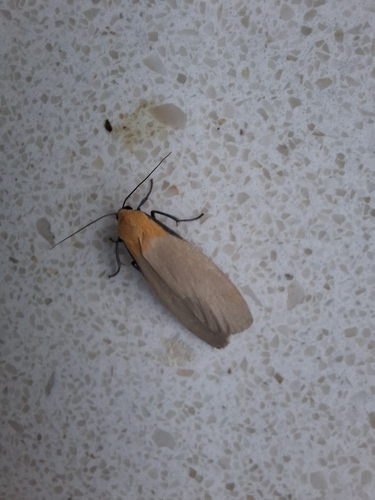
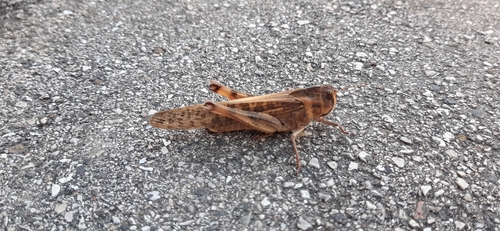
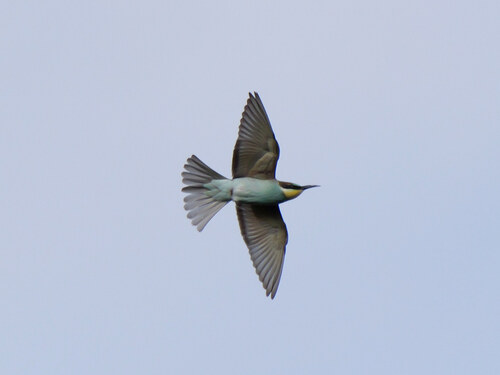
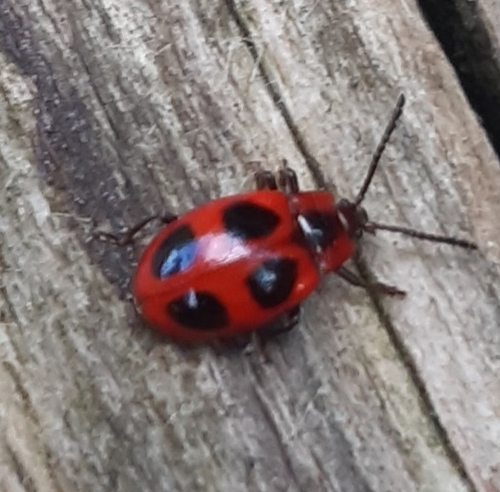
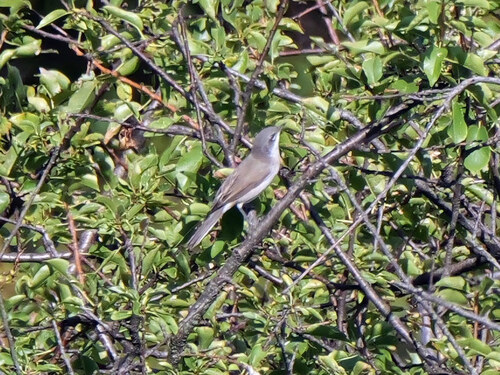
Research-grade observations from iNaturalist (within ~15 mi).
Events
Gallery
Sources
- • Wikipedia
- • iNaturalist
- • Open-Meteo / sunrise-sunset.org
- • Wikipedia Pageviews API