Browse / Italy / Sicily / Catania
Catania
Sicilycity

Catania
Total population
298,037
Air quality index
Demographic figures from ISTAT. Overview below cites Wikipedia and may reference a different year.
City facts
Facts from Wikidata (CC0).
Overview
Catania is the second-largest city in the autonomous island region of Sicily in Italy, after Palermo, both by area and by population. Despite being the second largest city of the island, Catania is the centre of the most densely populated Sicilian conurbation, which is among the largest in Italy. It has important road and rail transport infrastructures, and hosts the main airport of Sicily. The city is located on Sicily's east coast, facing the Ionian Sea at the base of the active volcano Mount Etna. It is the capital of the 58-municipality province known as the Metropolitan City of Catania, which is the seventh-largest metropolitan area in Italy. The population of the city proper is 296,984, while the population of the metropolitan city is 1,067,550.
Read more on WikipediaHistory & geography
History
Around 729 BC, the ancient village of Katane was occupied by Chalcidian Greek settlers from nearby Naxos along the coast. It became the Chalcidian colony of Katánē under a leader named Euarchos (Euarchus) and the native population was rapidly Hellenised. Thucydides states that it came into existence slightly later than Leontini (modern Lentini), which he claims was five years after Syracuse, or 730 BC. The settlement's acropolis was on the hill of Monte Vergine, a defensible hill immediately west of the current city centre. The port of Catania appears to have been much frequented in ancient time and was the chief place of export for the corn of the rich neighbouring plains. Catania was associated with the ancient legend of Amphinomos and Anapias, who, on occasion of a great eruption of Etna, abandoned all their property and carried off their aged parents on their shoulders. The stream of lava itself was said to have parted, and flowed aside so as not to harm them. Statues were erected to their honour, and the place of their burial was known as the Campus Piorum; the Catanaeans even introduced the figures of the youths on their coins, and the legend became a favorite subject of allusion and declamation among the Latin poets, of whom the younger Lucilius and Claudian have dwelt upon it at considerable length. The Greek polis of Catania appears to have been a local center of learning. The philosopher and legislator Charondas (late 6th c. BC), born in Catania, putatively wrote program of laws used here and in other Chalcidic cities, both in Sicily and through Magna Graecia. suggesting a link between Catania and other cities during this time. The poets Ibycus and Stesichorus (–555 BC) lived in Catania. The latter putatively was buried in a magnificent sepulchre outside…
Geography
As observed by Strabo, the location of Catania at the foot of Mount Etna has been both a curse and a blessing. On the one hand, violent outbursts of the volcano throughout history have destroyed large parts of the city, while on the other hand the volcanic ashes yield fertile soil, especially suited for the growth of vines. (Strab. vi. p.269) Two subterranean rivers run under the city; the Amenano, which surfaces at one single point south of Piazza Duomo, and the Longane (or Lognina). Catania experiences a hot-summer Mediterranean climate (Köppen: Csa). The city has hot summers, one of the hottest in the whole country of Italy. Temperatures of are surpassed a couple of times most years. Winters are among the warmest in Europe. Precipitation is concentrated from October to March, leaving late spring and summer virtually dry. The city receives around of rain per year, although the amount can vary greatly from year to year, from over to under . During winter nights, lows can occasionally approach freezing. Highs under are extremely rare. Snow, due to the presence of Etna that protects the city from the northern winds, is virtually unheard of, but occasional snow flurries have been seen over the decades especially in the hilly districts. More recently, a light snowfall occurred on 9 February 2015, but the last snowfall dates back to 17 December 1988.
Excerpted from the corresponding Wikipedia article (CC BY-SA).
Geography
Coordinates & boundaries from the US Census TIGER/Line shapefiles.
Climate
Air quality
Current readings from Open-Meteo Air Quality API (Copernicus CAMS European reanalysis).
Walkability
Amenities nearby
Wildlife & biodiversity
Most-observed species
- Common Wood-PigeonColumba palumbus Linnaeus, 1758 · Aves469
- Eurasian MagpiePica pica (Linnaeus, 1758) · Aves370
- Rock PigeonColumba livia J.F.Gmelin, 1789 · Aves368
- Common BuzzardButeo buteo (Linnaeus, 1758) · Aves285
- Italian SparrowPasser italiae (Vieillot, 1817) · Aves249
- Sardinian WarblerCurruca melanocephala (J.F.Gmelin, 1789) · Aves247
- Eurasian BlackbirdTurdus merula Linnaeus, 1758 · Aves239
- European GoldfinchCarduelis carduelis (Linnaeus, 1758) · Aves230
Citizen-science & research observations from the Global Biodiversity Information Facility (GBIF).
Earthquake history
Most recent
- M 4.3 — 2026-03-211 km SSE of Reitano, Italy
- M 4.5 — 2026-03-044 km ESE of Catania, Italy
- M 4.2 — 2026-01-184 km N of Santa Domenica Vittoria, Italy
- M 4.7 — 2025-04-1634 km SSE of Palizzi Marina, Italy
- M 4.1 — 2023-10-2712 km N of Milazzo, Italy
- M 4.2 — 2023-04-2121 km ESE of Acitrezza, Italy
Events from the USGS Earthquake Catalog (global) (FDSN Event Web Service).
Photos
Sights & places nearby
Notable people from here


People born within ~10 km, from Wikidata (CC0). Click any name for their Wikipedia article.
Nearby places in Sicily
- Canalicchio2.6 mi away · pop. 6,704
- San Nicolò5.8 mi away · pop. 3,576
- Piano Tavola5.8 mi away · pop. 1,496
- Maugeri6.4 mi away · pop. 640
- Villaggio del Pino7.4 mi away
- Aci Platani7.5 mi away · pop. 3,233
- Santa Maria delle Grazie7.6 mi away · pop. 745
- Valcorrente7.7 mi away · pop. 1,583
- Nicolosi8.5 mi away · pop. 7,624
- Santa Maria la Scala9.2 mi away · pop. 813
- Vaccarizzo9.2 mi away · pop. 1,386
- Lavinaio9.3 mi away · pop. 974
Geography & sun
Elevation, sunrise/sunset and daylight from Open-Meteo. Solar climatology from NASA POWER.
Nearby airports
Public attention
Pageview totals from the Wikimedia Pageviews API.
Books about Catania


Search results from Open Library.
Recent natural events nearby
Ground air-quality sensors
Recently spotted species
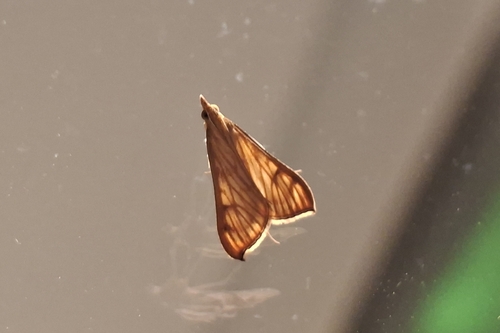
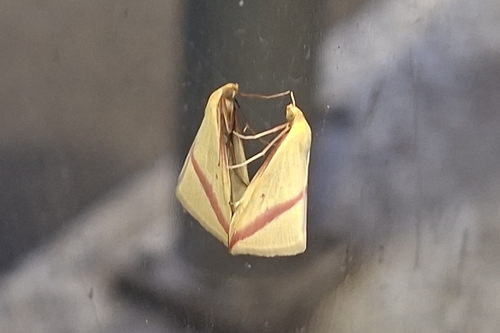
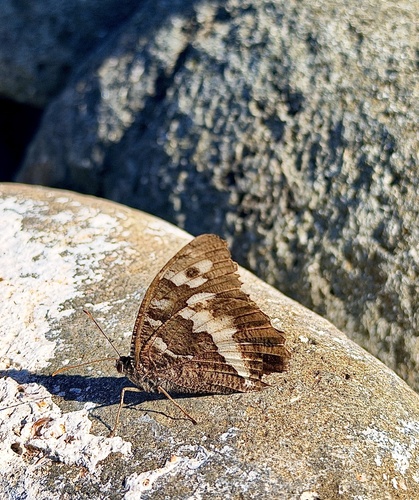
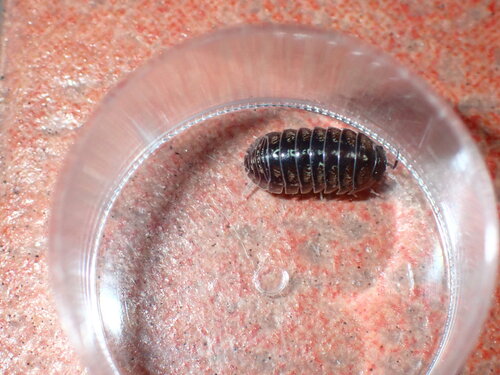
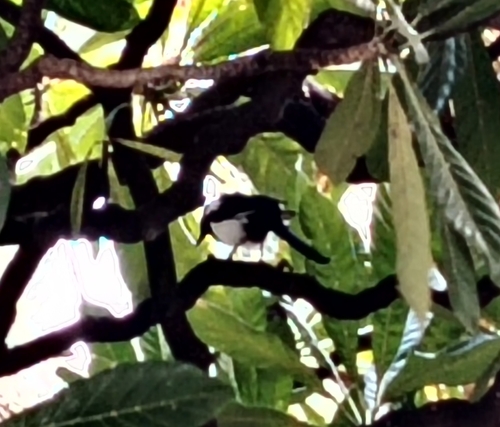
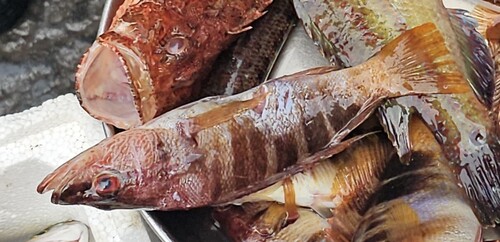
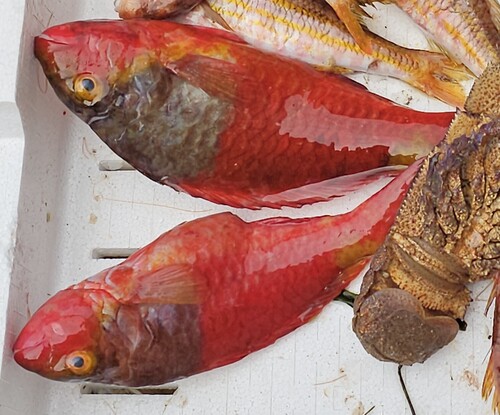
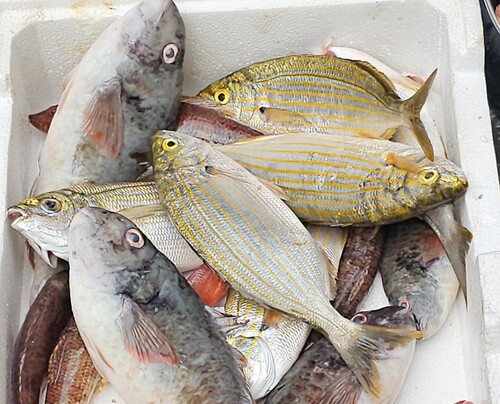
Research-grade observations from iNaturalist (within ~15 mi).
Events
Notable, recurring, and historical events associated with Catania, sourced from Wikidata.
- Domenico Danzuso Awardrecurring event
Italian cultural and theatrical award established in 2000 in Catania
Source: Wikidata (CC0).
Gallery
Geotagged photos within ~6 miles of Catania, from Wikimedia Commons contributors.


.jpg)
.jpg)
.jpg)
.jpg)
.jpg)
.jpg)
.jpg)
.jpg)
.jpg)


.jpg)


.jpg)
_02.jpg)
.jpg)

_05_02_2023_02.jpg)

Photos via Wikimedia Commons — see each image page for license & attribution.
Official Identifiers
ISTAT — Italian National Institute of Statistics
- ISTAT code
- 087015
- Province
- Catania (CT)
- Region
- Sicilia
- NUTS3 (2024)
- ITG17
- Codice catastale
- C351
- Province capital
- Yes
Elenco comuni italiani (CC BY 3.0 IT)
Sources
- • Wikipedia
- • Wikimedia Commons
- • Wikidata
- • Open-Meteo Air Quality (CAMS)
- • USGS Earthquake Catalog (global feed)
- • GBIF (Global Biodiversity Information Facility)
- • iNaturalist
- • Open-Meteo / sunrise-sunset.org
- • Wikipedia Pageviews API
- • Open Library
- • ISTAT — Italian national statistics (Elenco comuni italiani), via istat.it (official ISTAT code, province, region, NUTS3, codice catastale)
- • ISTAT — Italian National Institute of Statistics — Elenco comuni italiani (CC BY 3.0 IT)