Browse / Italy / Umbria / Gubbio
Gubbio
Umbriatown

Gubbio
Total population
14,150
Demographic figures from ISTAT. Overview below cites Wikipedia and may reference a different year.
City facts
Facts from Wikidata (CC0).
Overview
Gubbio is a town and municipality (comune) in the northeastern part of the province of Perugia in the region of Umbria in Italy. As of 2025, with a population of 30,297, it is the 6th-largest municipality in Umbria.
Read more on WikipediaHistory & geography
History
The oldest evidence of human habitation in the Gubbio valley dates back to the Middle Palaeolithic, but only during the Neolithic period (6000–3000 BCE) does the earliest evidence of relatively permanent settlements emerge. The summit of Monte Ingino was the focus of ritual activity. Monte Asciano remained inhabited in the early Iron Age (1200–1000 BCE), a set of bronze tablets that together constitute the largest surviving text in the Umbrian language. According to Dorica Manconi, pre-Roman Ikuvium was located in a well-defined area in the vicinity of the present-day city. As Iguvium became a Roman city, it was noted by classical authors. Silius Italicus referred to it as a place marked by heavy mists, while Cicero also mentioned it. Its earliest historical records date to the period preceding the Social War, during which it obtained Roman citizenship, its inhabitants being enrolled in the Clustumina tribe, and the city becoming a municipium. Strabo listed it among the cities of Umbria, and Pliny mentioned the Iguvini in connection with a herbaceous oil sold along the Via Flaminia. Following the deposition of the last Western Roman emperor by Odoacer, Gubbio shared the fate of other Italian cities under the rule of the Heruli and subsequently the Ostrogoths. It was besieged by a general of Totila, then captured and destroyed. The city was later rebuilt with assistance provided by Narses.
Geography
Gubbio is located in an upland valley in the Apennine Mountains, in the northeastern part of the present-day region of Umbria. This particular part of Umbria is a transitional area, close to both Marche to the east and Tuscany to the west. As a result, Gubbio has historically had strong political and cultural ties to both of those regions. The Gubbio valley itself is arranged on a northwest-to-southeast axis. A steep limestone escarpment bounds the basin to the northeast. Unusually, streams flow through the Gubbio valley in two opposite directions, although both streams ultimately flow to the Tiber. The Gubbio Basin is a graben filled with river and lake sediments. Drainage is to the northwest and southwest; the rest is mostly surrounded by "marly-arenaceous formations on the hills", while to the north is a steep escarpment. The surrounding mountains are primarily limestone and marl. In 2021, 5,384 people lived in rural dispersed dwellings not assigned to any named locality. At the time, the most populous locality was Gubbio proper (14,150). The following localities had no recorded permanent residents: San Benedetto Vecchio.
Excerpted from the corresponding Wikipedia article (CC BY-SA).
Geography
Coordinates & boundaries from the US Census TIGER/Line shapefiles.
Climate
Air quality
Walkability
Amenities nearby
Wildlife & biodiversity
Earthquake history
Photos
Sights & places nearby
Notable people from here


People born within ~10 km, from Wikidata (CC0). Click any name for their Wikipedia article.
Geography & sun
Elevation, sunrise/sunset and daylight from Open-Meteo. Solar climatology from NASA POWER.
Nearby airports
Public attention
Pageview totals from the Wikimedia Pageviews API.
Books about Gubbio

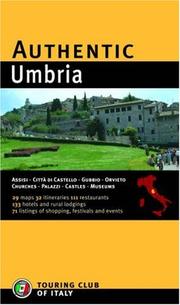
Search results from Open Library.
Recent natural events nearby
Ground air-quality sensors
Recently spotted species
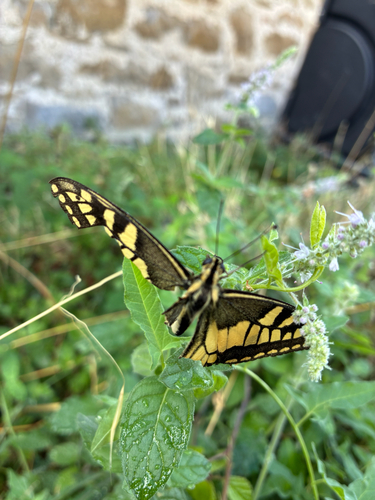
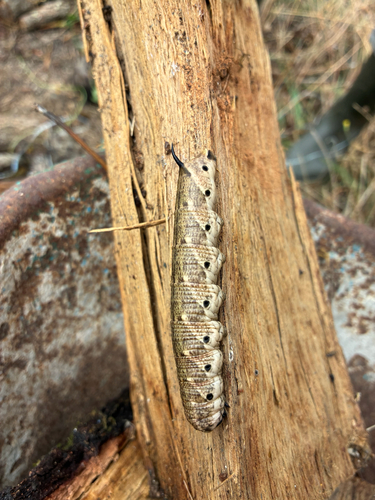
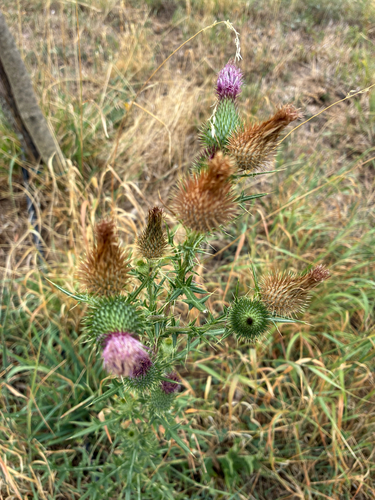
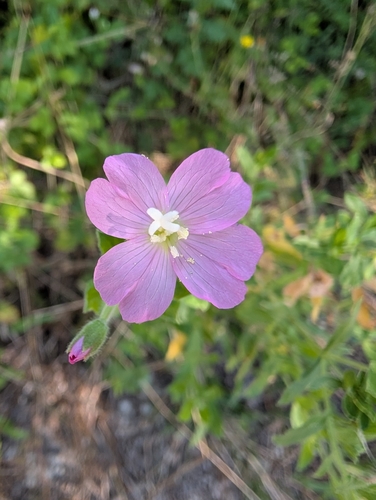
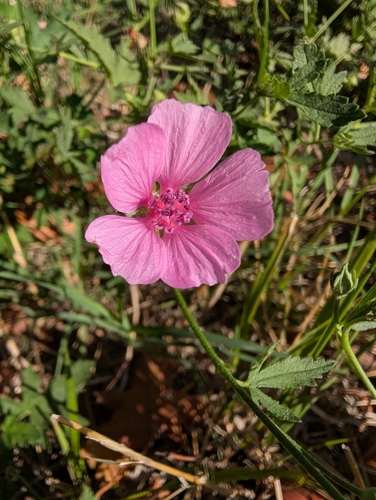
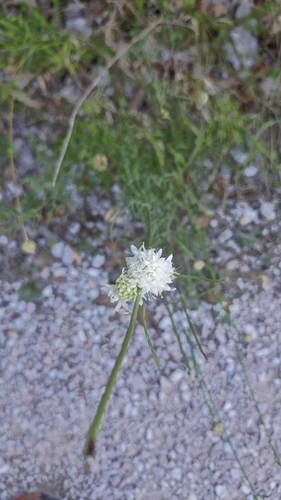
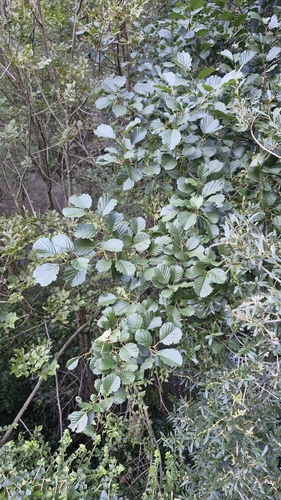
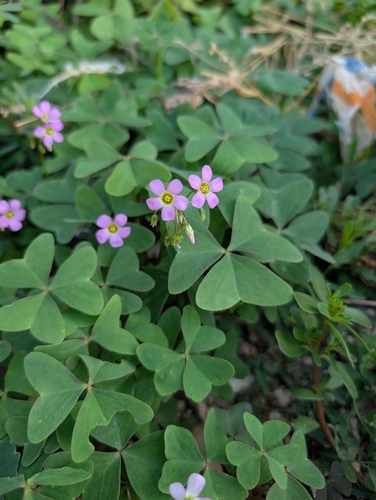
Research-grade observations from iNaturalist (within ~15 mi).
Events
Gallery
Official Identifiers
ISTAT — Italian National Institute of Statistics
- ISTAT code
- 054024
- Province
- Perugia (PG)
- Region
- Umbria
- NUTS3 (2024)
- ITI21
- Codice catastale
- E256
Elenco comuni italiani (CC BY 3.0 IT)
Sources
- • Wikipedia
- • Wikidata
- • iNaturalist
- • Open-Meteo / sunrise-sunset.org
- • Wikipedia Pageviews API
- • Open Library
- • ISTAT — Italian national statistics (Elenco comuni italiani), via istat.it (official ISTAT code, province, region, NUTS3, codice catastale)
- • ISTAT — Italian National Institute of Statistics — Elenco comuni italiani (CC BY 3.0 IT)