Browse / Italy / Friuli-Venezia Giulia / Udine
Udine
Friuli-Venezia Giuliacity

Udine
Total population
99,169
Demographic figures from ISTAT. Overview below cites Wikipedia and may reference a different year.
City facts
Sister cities
Facts from Wikidata (CC0).
Overview
Udine is a city and comune (municipality) in northeastern Italy, in the middle of the Friuli-Venezia Giulia region, between the Adriatic Sea and the Carnic Alps. It is the capital of the Regional decentralization entity of Udine. As of 2025, it has a population of 98,320 in the commune, and 176,000 in the urban area.
Read more on WikipediaHistory & geography
History
Udine is the historical capital of Friuli. The area has been inhabited since the Neolithic age. Based on an old Hungarian legend, Attila (?–453), the leader of the Huns, built a hill there, when besieging Aquileia, because he needed a billet for his winter quarters: he instructed his soldiers to bring soil in their helmets and shields, because the landscape was too flat, without any hill. He established the town there, and built a square tower. After the fall of the Western Roman Empire, the area increased in importance after the decline of Aquileia, then further after the decline of Cividale. In AD 983 Udine was mentioned for the first time, with the donation of the Utinum castle by emperor Otto II to the Patriarchs of Aquileia, then the main feudal lords of the region. From 1222 it became one of the residences of the Patriarchs, thanks to the patriarch Bertoldo of Andechs, who moved from Cividale to Udine following an earthquake that damaged his residence. In 1223, with the foundation of the market, the city became finally the most important in the area for economy and trade, and also became the Patriarch's seat. In 1420, it was conquered by the Republic of Venice. During World War I, from May 1915 to October 1917, Udine became the seat of the Italian High Command and was nicknamed "Capitale della Guerra" ("War Capital"). After the battle of Caporetto, it was occupied by the Germans in late 1917 and by the Austro-Hungarians in 1918 until after the Battle of Vittorio Veneto in 1918. After the war it was made capital of a short-lived province (Provincia del Friuli) which included the current provinces of Gorizia, Pordenone and Udine. After September 8, 1943, when Italy surrendered to the Allies in World War II, the city was under direct German administration, which…
Geography
The city is located in the center of the historical region of Friuli. It is just over 20 km from Slovenia as the crow flies, and approximately 54 km from Austria. This places it in a strategic position, at the intersection of the European east-west (Mediterranean Corridor V) and north-south (Via Iulia Augusta, now recognized by the European Union as part of the Baltic-Adriatic Corridor) routes, on the route leading to Austria and Eastern Europe. It lies in the high plain, a few kilometers from the hilly area, and is bordered by the Cormor stream to the west and the Torre stream to the east. At the center of the city, it sits on an isolated hill, atop which sits the castle: according to legend, the hill was built by Attila the Hun to overlook the fire he himself set on the city of Aquileia. In reality it was thought that it was formed by conglomeratic rocks older than 100,000 years, while recent archaeological excavations have demonstrated that it is an artificial relief, devoid of rocks. Udine has a humid subtropical climate (Köppen: Cfa). Precipitation is abundant all year round with spring and autumn being the wettest seasons. The highest temperature recorded was on July 21, 2006 while the lowest temperature recorded was on December 19, 2009. (dew point 1981–2010) | source 2 = Servizio Meteorologico, Nomadseason(UV), Weather atlas(Snow-Daylight) }}
Excerpted from the corresponding Wikipedia article (CC BY-SA).
Geography
Coordinates & boundaries from the US Census TIGER/Line shapefiles.
Climate
Air quality
Walkability
Amenities nearby
Wildlife & biodiversity
Earthquake history
Photos
Sights & places nearby
Notable people from here


People born within ~10 km, from Wikidata (CC0). Click any name for their Wikipedia article.
Geography & sun
Elevation, sunrise/sunset and daylight from Open-Meteo. Solar climatology from NASA POWER.
Nearby airports
Public attention
Pageview totals from the Wikimedia Pageviews API.
Books about Udine
Search results from Open Library.
Recent natural events nearby
Ground air-quality sensors
Recently spotted species
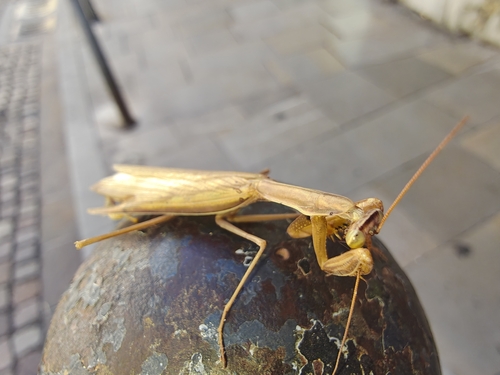

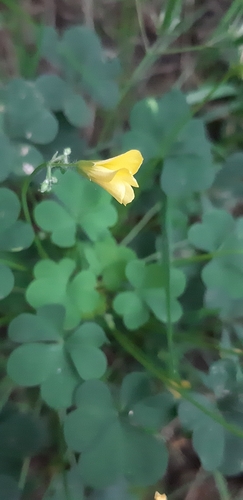
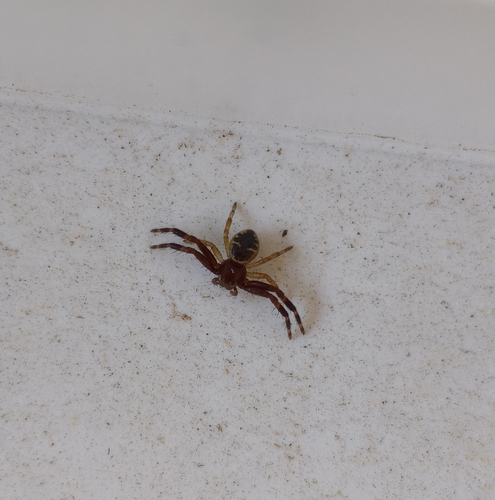

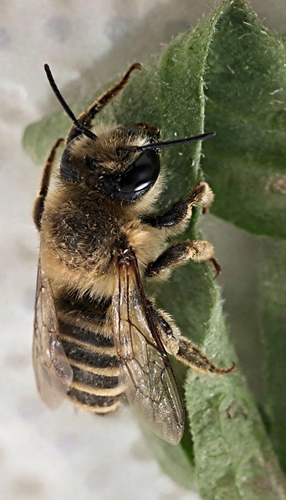
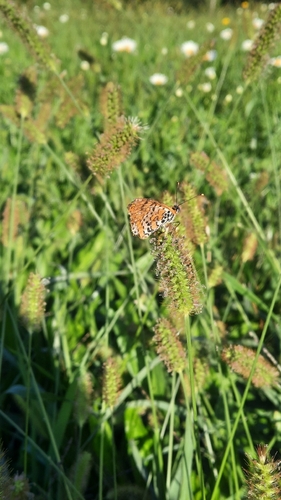
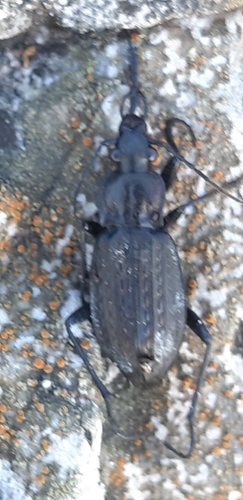
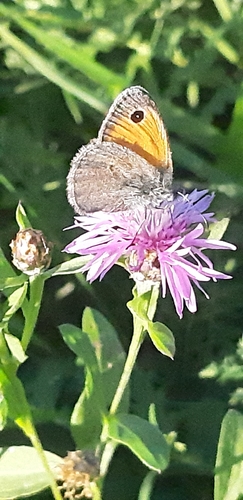
Research-grade observations from iNaturalist (within ~15 mi).
Events
Notable, recurring, and historical events associated with Udine, sourced from Wikidata.
Source: Wikidata (CC0).
Gallery
Official Identifiers
ISTAT — Italian National Institute of Statistics
- ISTAT code
- 030129
- Province
- Udine (UD)
- Region
- Friuli-Venezia Giulia
- NUTS3 (2024)
- ITH42
- Codice catastale
- L483
- Province capital
- Yes
Elenco comuni italiani (CC BY 3.0 IT)
Sources
- • Wikipedia
- • Wikidata
- • iNaturalist
- • Open-Meteo / sunrise-sunset.org
- • Wikipedia Pageviews API
- • Open Library
- • ISTAT — Italian national statistics (Elenco comuni italiani), via istat.it (official ISTAT code, province, region, NUTS3, codice catastale)
- • ISTAT — Italian National Institute of Statistics — Elenco comuni italiani (CC BY 3.0 IT)