Browse / Sri Lanka / Uva / Uva Paranagama
Uva Paranagama
Uvavillage
Total population
5,000
Demographic figures from Department of Census and Statistics, Sri Lanka. Overview below cites Wikipedia and may reference a different year.
City facts
Overview
Found in Uva, Sri Lanka, Uva Paranagama is classified as a small village in public datasets. Its coordinates of 6.937°, 80.889° place it in the equatorial zone of the northern hemisphere. Public datasets list a population of roughly 5,000. Based on its equatorial position, residents likely encounter hot and humid year-round with little seasonal temperature variation. Detailed open-data panels follow, covering demographics, climate, geography, wildlife and nearby settlements.
Summary composed automatically from structured open data on this page. See our Terms for details.
History & geography
Geography
Coordinates & boundaries from the US Census TIGER/Line shapefiles.
Climate
Air quality
Walkability
Amenities nearby
Wildlife & biodiversity
Most-observed species
- Large-billed CrowCorvus macrorhynchos Wagler, 1827 · Aves2,147
- Sri Lanka White-eyeZosterops ceylonensis Holdsworth, 1872 · Aves1,968
- Cinereous TitParus cinereus Vieillot, 1818 · Aves1,895
- Red-vented BulbulPycnonotus cafer (Linnaeus, 1766) · Aves1,757
- Yellow-eared BulbulPycnonotus penicillatus Blyth, 1851 · Aves1,632
- Common MynaAcridotheres tristis (Linnaeus, 1766) · Aves1,624
- Oriental Magpie-RobinCopsychus saularis (Linnaeus, 1758) · Aves1,616
- Spotted DoveSpilopelia chinensis (Scopoli, 1786) · Aves1,573
Citizen-science & research observations from the Global Biodiversity Information Facility (GBIF).
Earthquake history
Events from the USGS Earthquake Catalog (global) (FDSN Event Web Service).
Photos
Sights & places nearby
Notable people from here
Nearby places in Uva
Geography & sun
Nearby airports
Public attention
Books about this place
Recent natural events nearby
Ground air-quality sensors
Recently spotted species
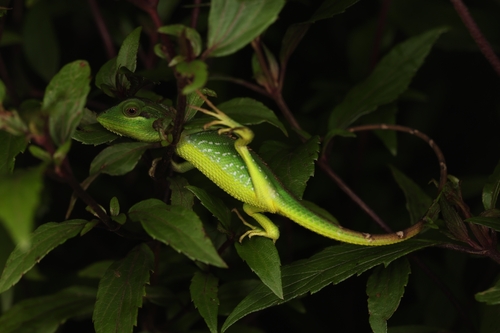
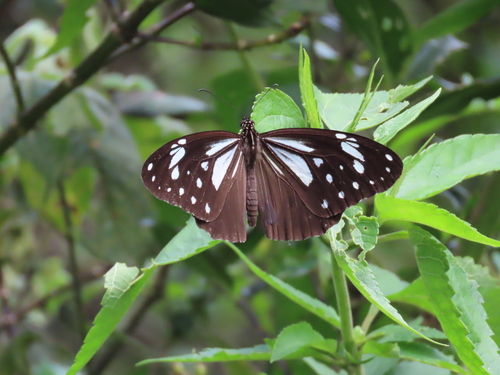
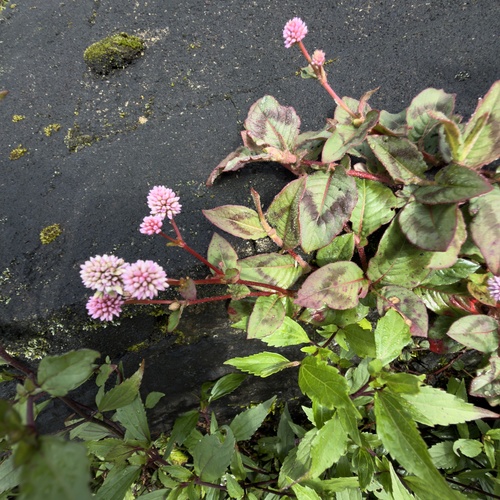
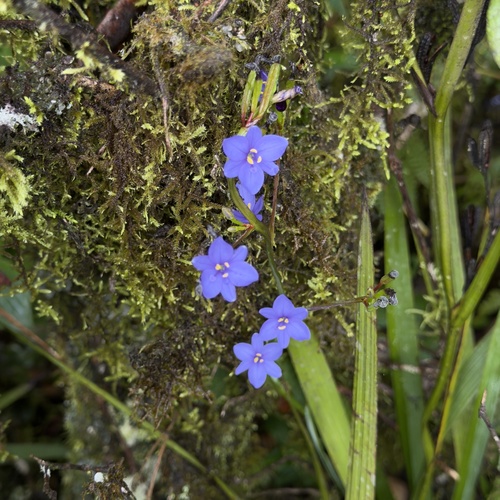
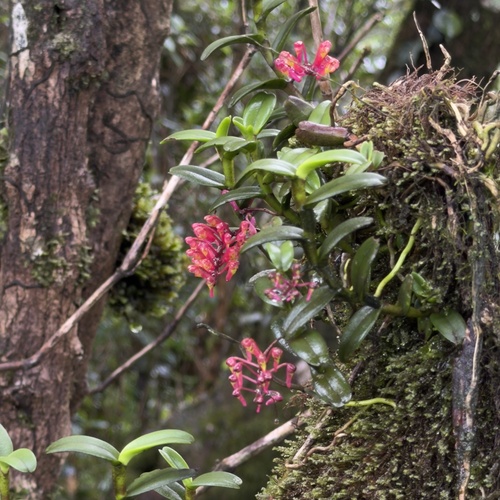
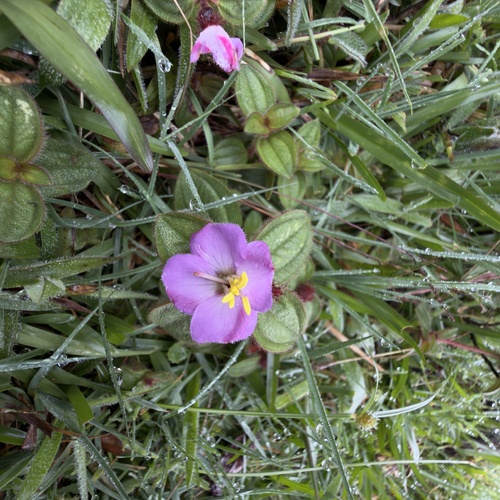
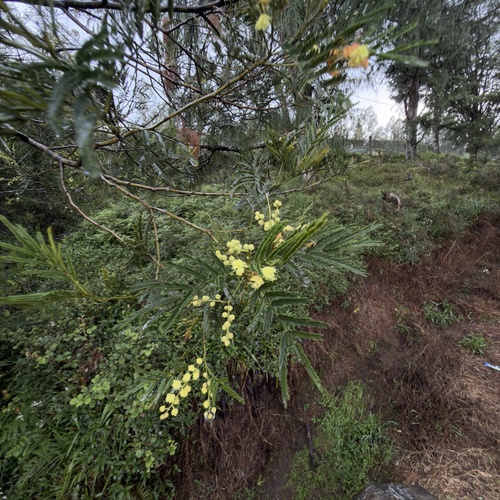
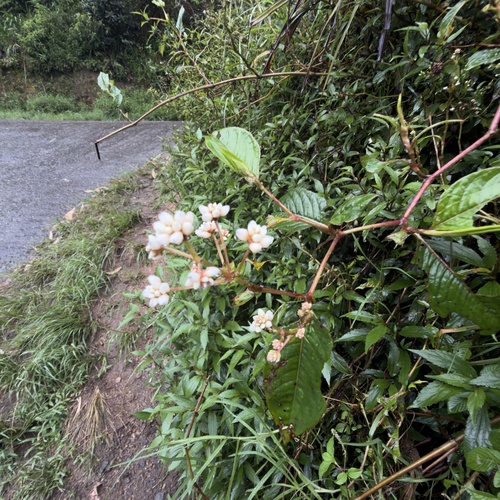
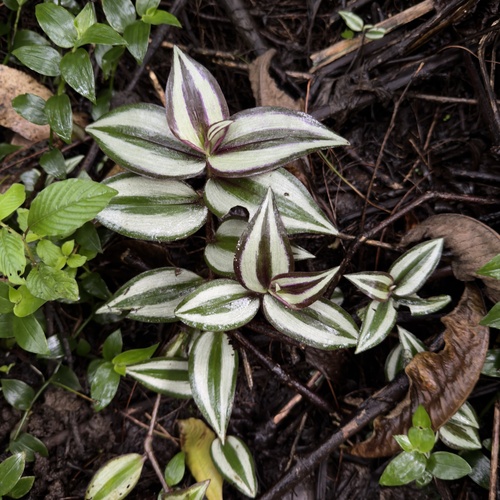
Research-grade observations from iNaturalist (within ~15 mi).
Events
Gallery
Sources
- • USGS Earthquake Catalog (global feed)
- • GBIF (Global Biodiversity Information Facility)
- • iNaturalist