Browse / United States / Michigan / Marine City
Marine City
Michigancity

Marine City
Total population
4,028
Median home value
$159,800
Bachelor's+
Median income
$67,683
Demographic figures from US Census Bureau · ACS 5-year estimates. Overview below cites Wikipedia and may reference a different year.
City facts
Facts from Wikidata (CC0).
Overview
Marine City is a city in St. Clair County in the U.S. state of Michigan. Located on the west bank of the St. Clair River, it is one of the cities in the River District north of Detroit and south of Lake Huron. In the late 19th century, it was a major center of wooden shipbuilding and lumber processing.
Read more on WikipediaHistory & geography
History
The area of Marine City had been Ojibwa territory for centuries before the first European contact. Beginning in the 17th century, French trappers and missionaries entered the territory, followed by settlers in the colonial period on both sides of the Detroit and St. Clair rivers. Farmers developed long, narrow plots that were laid out in the typical rectangular shape of colonial French, with the narrow end along the riverfront. The first Catholic Church was built by French Catholics at Catholic Point, where they had bought land before the United States was formed. French Canadians also lived on the other side of the river in a small farming community known as Petite Côte. It was not until after the American Revolution that European-American settlers arrived in any number. In the 1780s they obtained a deed for land from the Chippewa Indians. The Americans began to call the community "Yankee Point", because so many settlers came from the Northern Tier of states, with late 18th and 19th-century westward migration originating from New England and New York. They also called the settlement "Belle River" (Belle Riviere in French), as the French had; this later was applied as the name of a neighborhood. The village was platted by Americans as Newport in 1835–37. Although never incorporated by that name, it was known as "Newport" for 31 years. In 1865, it was incorporated as the Village of Marine City. Thriving on lumber trade and shipbuilding, the village re-incorporated as a city in June 1887. The second half of the 19th century was the period of great growth in the village, with many workers employed in the lumber and shipping industries. Rafts of lumber were moved down the St. Clair River in the spring to be worked at Marine City or Detroit. Shipyards built some of…
Geography
*According to the United States Census Bureau, the city has a total area of , of which is land and is water. *It is considered to be part of the Thumb of Michigan, which in turn is a subregion of the Flint/Tri-Cities. **Marine City can also be considered as in the Blue Water Area, a subregion of the Thumb. *It is part of the Detroit-Warren-Livonia Metropolitan Statistical Area (MSA) and the Detroit-Ann Arbor-Flint Combined Statistical Area (CSA).
Excerpted from the corresponding Wikipedia article (CC BY-SA).
Demographics & economy
Race & ethnicity
Source: US Census Bureau — American Community Survey, 5-year estimates.
Geography
Coordinates & boundaries from the US Census TIGER/Line shapefiles.
Climate
Air quality
Industrial & pollution facilities
Natural hazard risk
Health (adults)
Walkability
Amenities nearby
Wildlife & biodiversity
Most-observed species
- Blue JayCyanocitta cristata (Linnaeus, 1758) · Aves7,042
- Mourning DoveZenaida macroura (Linnaeus, 1758) · Aves6,875
- Northern CardinalCardinalis cardinalis (Linnaeus, 1758) · Aves6,839
- American RobinTurdus migratorius Linnaeus, 1766 · Aves6,395
- Red-winged BlackbirdAgelaius phoeniceus (Linnaeus, 1766) · Aves6,327
- American GoldfinchSpinus tristis (Linnaeus, 1758) · Aves5,415
- Common GrackleQuiscalus quiscula (Linnaeus, 1758) · Aves5,227
- House SparrowPasser domesticus (Linnaeus, 1758) · Aves5,213
Citizen-science & research observations from the Global Biodiversity Information Facility (GBIF).
Schools
Earthquake history
Most recent
- M 3 — 2026-04-267 km SSE of Amherstburg, Canada
- M 2.5 — 2022-05-232 km NNW of Corunna, Canada
- M 3.4 — 2018-04-20Michigan
- M 2.6 — 2017-05-1418 km ENE of Leamington, Canada
- M 2.5 — 2013-02-1731 km E of Leamington, Canada
- M 3 — 2011-02-2318 km NE of Leamington, Canada
Events from the USGS Earthquake Catalog (global) (FDSN Event Web Service).
Photos
Sights & places nearby
Notable people from here
Nearby places in Michigan
- New Baltimore12.1 mi away · pop. 12,072
- Marysville13.5 mi away
- Richmond14.3 mi away
- Memphis18.4 mi away
- Port Huron19.6 mi away · pop. 28,983
- Mount Clemens20.9 mi away
- Ruby22.7 mi away
- Fraser25.7 mi away · pop. 14,583
- Village of Grosse Pointe Shores26.1 mi away
- Roseville26.3 mi away · pop. 47,710
- Utica27.1 mi away
- Grosse Pointe Woods27.7 mi away · pop. 16,094
Geography & sun
Elevation, sunrise/sunset and daylight from Open-Meteo. Solar climatology from NASA POWER.
Nearby airports
Public attention
Pageview totals from the Wikimedia Pageviews API.
Books about Marine City

Search results from Open Library.
Recent natural events nearby
Ground air-quality sensors
Recently spotted species
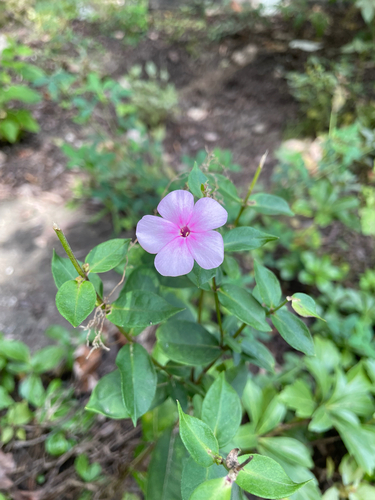
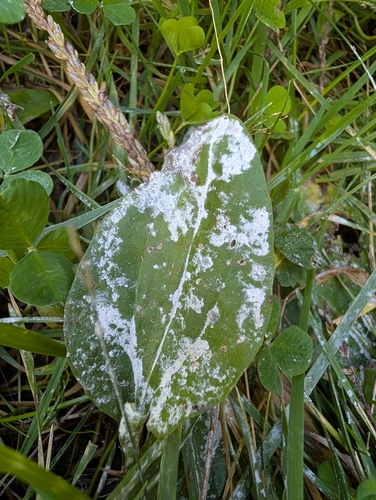
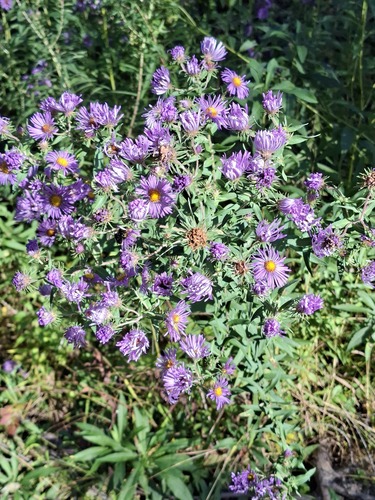
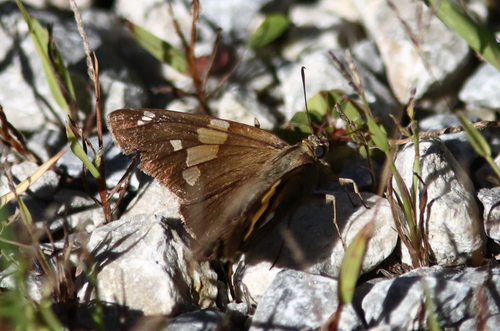
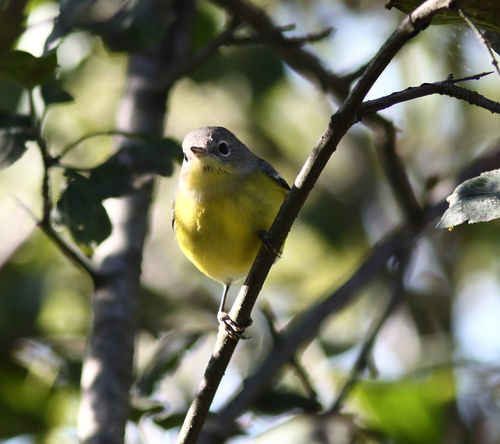
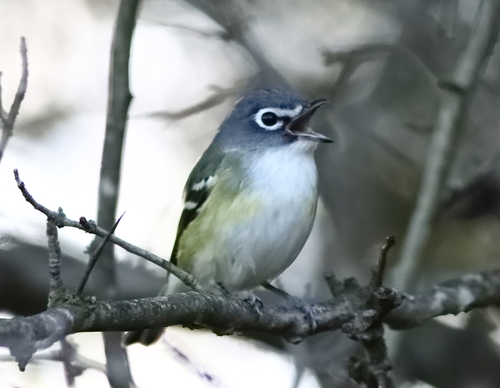

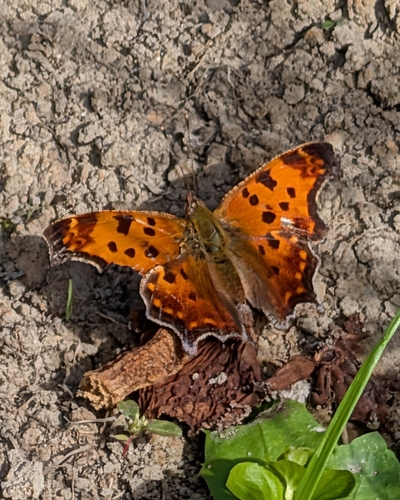
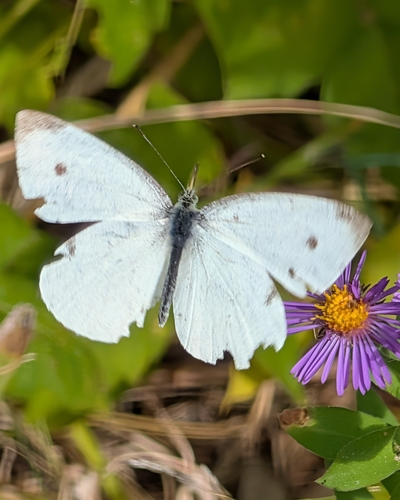
Research-grade observations from iNaturalist (within ~15 mi).
Nearest stream gauge
Events
Gallery
Sources
- • Wikipedia
- • US Census Bureau (ACS 5-year estimates)
- • Wikidata
- • USGS Earthquake Catalog (global feed)
- • GBIF (Global Biodiversity Information Facility)
- • iNaturalist
- • Open-Meteo / sunrise-sunset.org
- • Wikipedia Pageviews API
- • Open Library