Browse / Namibia / Oshikoto / Tsumeb
Tsumeb
Oshikototown

Tsumeb
Total population
20,000
Founded
1905
Demographic figures from Namibia Statistics Agency. Overview below cites Wikipedia and may reference a different year.
City facts
Sister cities
Facts from Wikidata (CC0).
Overview
Tsumeb is a town of around 35,000 inhabitants and the largest town and the former capital of the Oshikoto region in northern Namibia.
Read more on WikipediaHistory & geography
History
The name Tsumeb is generally pronounced "SOO-meb". The name derives from both , place of the frogs, referencing the varied colors of the surrounding rocks, and , to dig a hole in loose ground, referencing early mining activities. The town was founded in 1905 by Imperial Germany when the territory was the colony of German South West Africa.
Geography
Tsumeb is known as the "gateway to the north" of Namibia. It is the closest town to the Etosha National Park. The largest meteorite in the world, called Hoba, lies in a field about forty minutes' drive to the southeast of Tsumeb, at Hoba West. It is a nickel-iron meteorite of about 60 tonnes. Tsumeb is notable for the huge mineralized pipe that led to its foundation. The origin of the pipe has been hotly debated. The pipe penetrates more or less vertically through the Precambrian Otavi dolomite for at least 1,300 m. One possibility is that the pipe was actually a gigantic ancient cave system and that the rock filling it is sand that seeped in from above. If the pipe is volcanic, as some have suggested, then the rock filling it (the "pseudo-aplite") is peculiar in the extreme. The pipe was mined in prehistoric times but those ancient workers barely scratched the surface. Most of the ore was removed in the 20th century by cut-and-fill methods. The ore was polymetallic and from it copper, lead, silver, gold, arsenic and germanium were won. There was also a fair amount of zinc present but the recovery of this metal was always difficult for technical reasons. Many millions of tonnes of ore of spectacular grade were removed. A good percentage of the ore (called "direct smelting ore") was so rich that it was sent straight to the smelter situated near the town without having to be processed through the mineral enrichment plant. The Tsumeb mine is also renowned amongst mineral collectors. Tsumeb belongs to the world's most prolific mineralogical sites. The minerals from Tsumeb are unsurpassed in variety and quality of form. At least 170 mineral species have been cataloged and 20 of these are found nowhere else. The concentration of ingredients for Tsumeb's mineral formations…
Excerpted from the corresponding Wikipedia article (CC BY-SA).
Geography
Coordinates & boundaries from the US Census TIGER/Line shapefiles.
Climate
Air quality
Walkability
Amenities nearby
Wildlife & biodiversity
Earthquake history
Photos
Sights & places nearby
Notable people from here
Nearby places in Oshikoto
Geography & sun
Elevation, sunrise/sunset and daylight from Open-Meteo. Solar climatology from NASA POWER.
Nearby airports
Public attention
Pageview totals from the Wikimedia Pageviews API.
Books about this place
Recent natural events nearby
Ground air-quality sensors
Recently spotted species
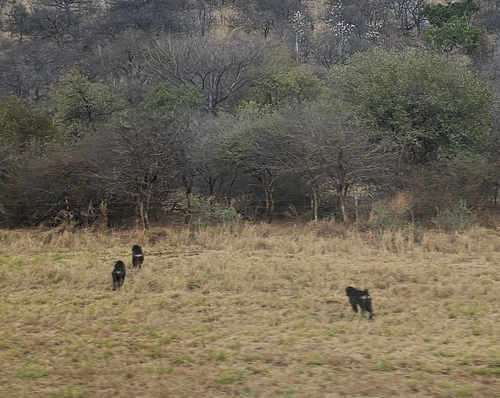
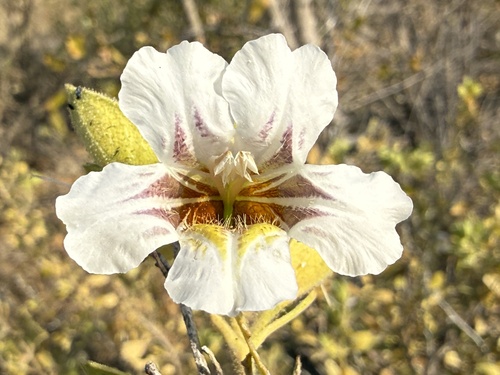
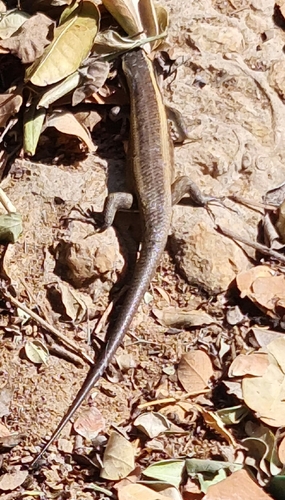
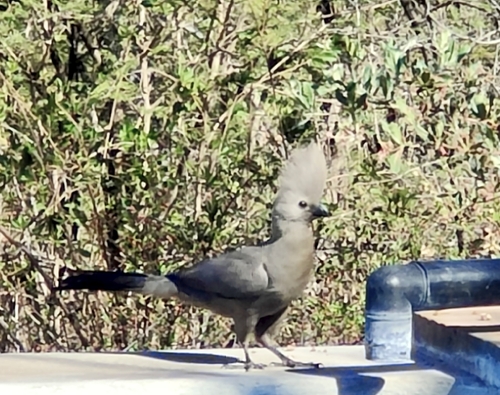
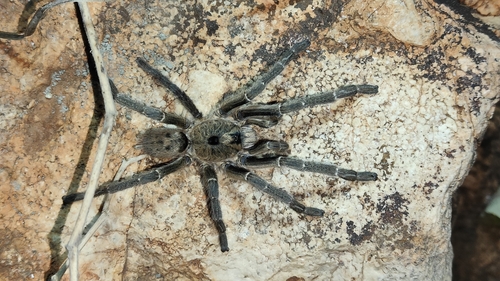
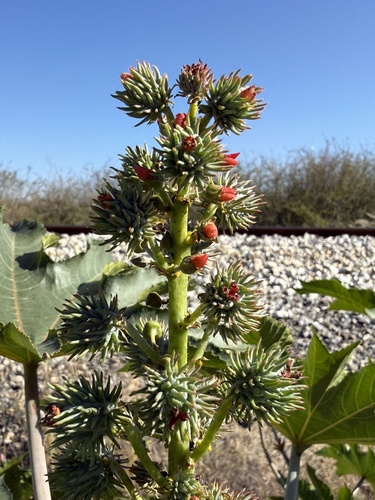
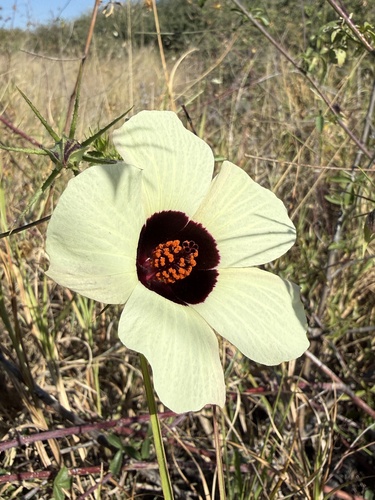
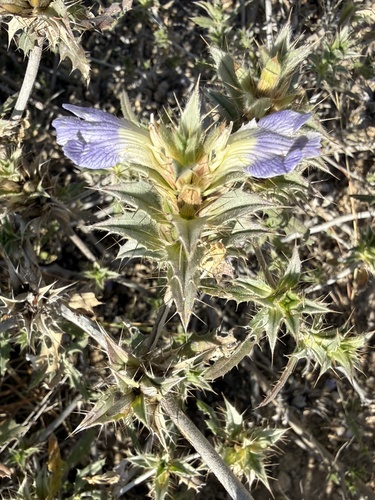
Research-grade observations from iNaturalist (within ~15 mi).
Events
Gallery
Sources
- • Wikipedia
- • Wikidata
- • iNaturalist
- • Open-Meteo / sunrise-sunset.org
- • Wikipedia Pageviews API