Browse / United States / Nebraska / Weeping Water
Weeping Water
Nebraskacity

Weeping Water
Total population
1,407
Median home value
$185,800
Bachelor's+
Median income
$83,750
Founded
1867
Demographic figures from US Census Bureau · ACS 5-year estimates. Overview below cites Wikipedia and may reference a different year.
- Flood Watch · SevereFlood Watch issued September 30 at 12:46AM CDT until October 1 at 7:00PM CDT by NWS Omaha/Valley NE
Source: NOAA National Weather Service.
City facts
Facts from Wikidata (CC0).
Overview
Weeping Water is a city in Cass County, Nebraska, United States. The population was 1,029 at the 2020 census.
Read more on WikipediaHistory & geography
History
The name of the stream running through Weeping Water is Nigahoe in Oto and Omaha, meaning "rustling water," in reference to the sound of the water running over the low falls. This was mistaken by the French to be Nihoage, meaning "water weeping." This error was recorded in French as L'Eau qui Pleure, meaning "the water that weeps." This was later translated into English as its current name, Weeping Water. The village of Nehawka, also in Cass County, is an anglicization of Nigahoe, the original name of the stream in Weeping Water. Weeping Water was incorporated as a village in 1870, and as a city in 1888. Debates over the origin of the name have existed since at least the early twentieth century. Regardless of whether the legend originates from Native American sources or was simply created to explain the mistranslation of the Native American name for the stream, the legend has become an important piece of Nebraska folklore. According to American folklorist Louise Pound, the first written reference to the legend of Weeping Water is found in the 800-line poem "The Weeping Water" by Orsamus Charles Dake, published in a book of poetry called Nebraska Legends and Other Poems in 1871. Dake's poem is also preceded by a paragraph summarizing the legend which reads:The Omaha and Otoe Indians, being at war, chanced to meet on their common hunting ground south of the Platte River in Nebraska. A fierce battle ensued, in which all the male warriors of both tribes being slain, the women and children came upon the battle-field and sat down and wept. From the fountain of their tears arose and ever flows the little stream known as the Ne-hawka or the Weeping Water.The poem includes details and dialogue that Dake likely invented, such as the main narrative thrust of the poem, a story…
Geography
According to the United States Census Bureau, the city has a total area of , all land.
Excerpted from the corresponding Wikipedia article (CC BY-SA).
Demographics & economy
Race & ethnicity
Source: US Census Bureau — American Community Survey, 5-year estimates.
Geography
Coordinates & boundaries from the US Census TIGER/Line shapefiles.
Climate
Current forecast
Forecast for Weeping Water, NE from NOAA NWS API.
Air quality
Industrial & pollution facilities
Natural hazard risk
Health (adults)
Age-adjusted prevalence estimates from CDC PLACES (latest release).
Walkability
Amenities nearby
Wildlife & biodiversity
Most-observed species
- American RobinTurdus migratorius Linnaeus, 1766 · Aves1,220
- Northern CardinalCardinalis cardinalis (Linnaeus, 1758) · Aves1,218
- Blue JayCyanocitta cristata (Linnaeus, 1758) · Aves1,057
- Red-bellied WoodpeckerMelanerpes carolinus (Linnaeus, 1758) · Aves892
- Downy WoodpeckerDryobates pubescens (Linnaeus, 1766) · Aves823
- House SparrowPasser domesticus (Linnaeus, 1758) · Aves784
- Red-winged BlackbirdAgelaius phoeniceus (Linnaeus, 1766) · Aves780
- Black-capped ChickadeePoecile atricapillus (Linnaeus, 1766) · Aves741
Citizen-science & research observations from the Global Biodiversity Information Facility (GBIF).
Schools
Earthquake history
Most recent
- M 2.9 — 2014-01-065 km NW of Liberty, Nebraska
- M 3.3 — 2010-11-184 km E of Octavia, Nebraska
- M 3.6 — 2009-12-172 km NW of Auburn, Nebraska
- M 3.5 — 2004-07-166 km SSE of Riverton, Iowa
Events from the USGS Earthquake Catalog (global) (FDSN Event Web Service).
Photos
Sights & places nearby
Notable people from here


People born within ~10 km, from Wikidata (CC0). Click any name for their Wikipedia article.
Nearby places in Nebraska
- Manley3.7 mi away · pop. 204
- Nehawka8.3 mi away · pop. 109
- Elmwood8.3 mi away · pop. 774
- Louisville8.9 mi away · pop. 1,449
- Otoe10.1 mi away · pop. 160
- South Bend10.9 mi away · pop. 100
- Cedar Creek12.3 mi away · pop. 427
- Plattsmouth16 mi away · pop. 6,731
- Palmyra17.3 mi away · pop. 589
- La Platte17.9 mi away
- Papillion19.2 mi away · pop. 25,244
- Nebraska City19.8 mi away · pop. 7,369
Geography & sun
Elevation, sunrise/sunset and daylight from Open-Meteo. Solar climatology from NASA POWER.
Nearby airports
Public attention
Pageview totals from the Wikimedia Pageviews API.
Books about Weeping Water
Search results from Open Library.
Recent natural events nearby
Ground air-quality sensors
Recently spotted species
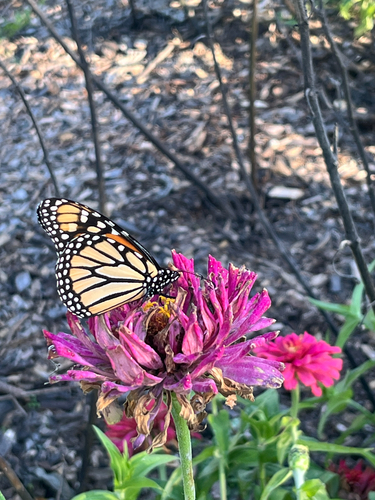
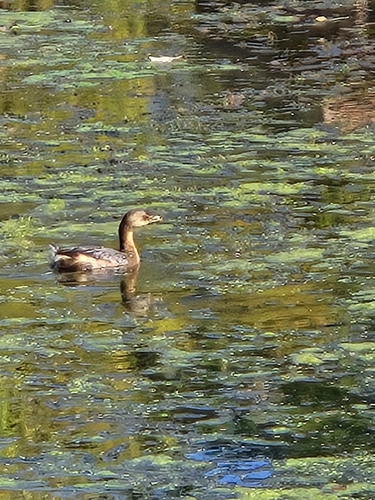
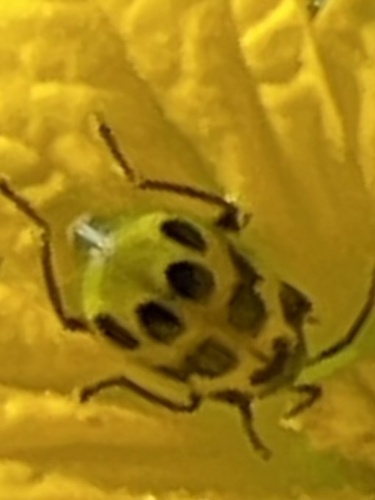
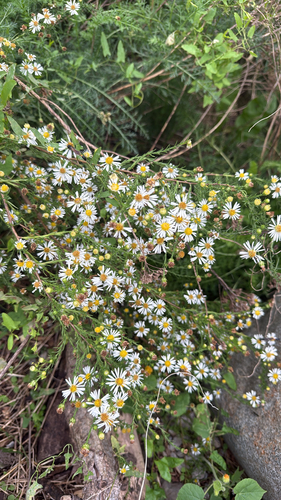
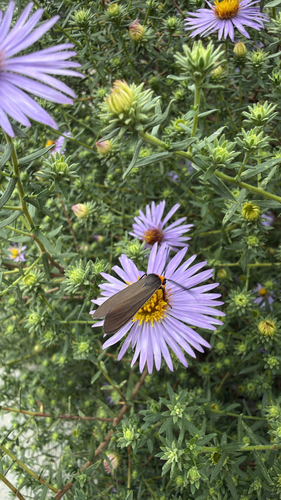
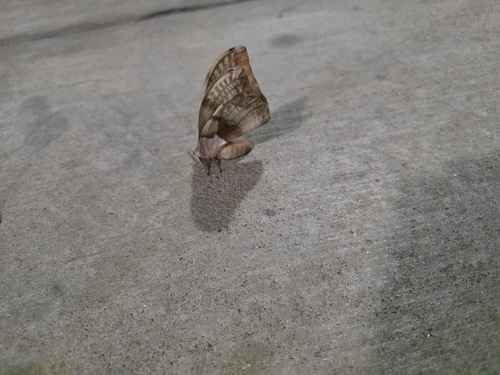
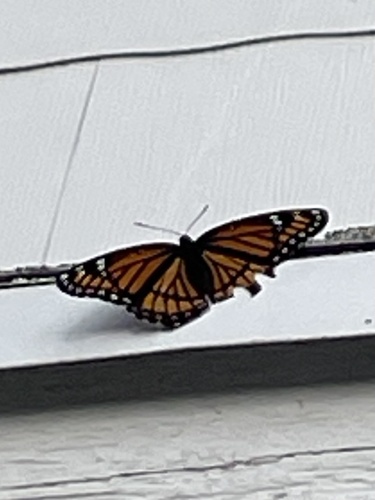
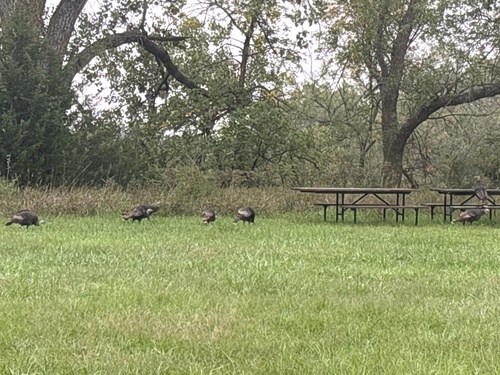
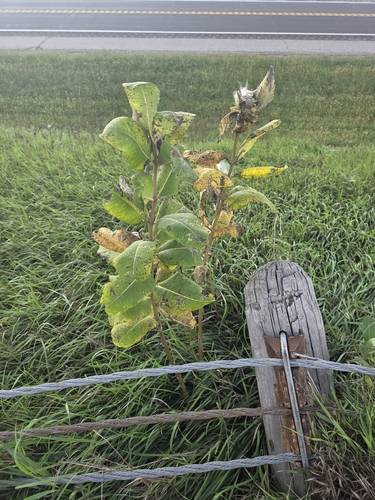
Research-grade observations from iNaturalist (within ~15 mi).
Nearest stream gauge
Events
Gallery
Sources
- • Wikipedia
- • US Census Bureau (ACS 5-year estimates)
- • NOAA National Weather Service
- • Wikidata
- • USGS Earthquake Catalog (global feed)
- • GBIF (Global Biodiversity Information Facility)
- • iNaturalist
- • CDC PLACES
- • Open-Meteo / sunrise-sunset.org
- • Wikipedia Pageviews API
- • Open Library