Browse / Nigeria / Cross River / Calabar
Calabar
Cross Rivercity

Calabar
Total population
371,022
Demographic figures from National Bureau of Statistics (Nigeria). Overview below cites Wikipedia and may reference a different year.
City facts
Facts from Wikidata (CC0).
Overview
Calabar (also referred to as Callabar, Calabari, Calbari, Cali and Kalabar) is the capital city of Cross River State, Nigeria. It was originally named Akwa Akpa, in the Efik language, as the Efik people dominate this area. The city is adjacent to the Calabar and Great Kwa rivers, and the creeks of the Cross River.
Read more on WikipediaHistory & geography
History
When Portuguese explorers in the 15th century reached this part of the Guinea coast, they called the tribes of the area "Calabar". These historic inhabitants were Quas, Efuts, and Efiks. Efik people migrated from the area of the Niger River to the shores of Calabar. They were fleeing civil war with their kindred and the Ibibio people. Since the 16th century, Calabar has served as an international seaport, exporting such goods as palm oil. During the centuries of the Atlantic slave trade, it became a major port for shipment of African slaves to the Americas. The Spanish maintain the Calabar designation. Tribes around that region were taken in as slaves for slave trade. Such tribes included the Igbo tribes (communities) who lived around that region at the time. Those minority tribes were subject to slave raids by more powerful tribes or ethnic groups in the region. From 1725 until 1750, roughly 17,000 enslaved Africans were sold from Calabar to European slave traders; from 1772 to 1775, the number soared to more than 62,000. Old Calabar (Duke Town) and Creek Town, northeast, were crucial towns in the trade of slaves in that era. In 1815 , as part of the British blockade of Africa, sailed into Duke Town, where she captured seven Spanish and Portuguese slave ships. John Jea, an enslaved African American, came from the area. He later became a writer. A small mulatto community of merchants was located here that had links to missionary and other merchant colonies in Igboland, Lagos, and across the Atlantic. In 1846, Scottish Presbyterians established a mission station in Calabar. Among the missionaries, Hope Waddell, who worked in Calabar from 1845 to 1858, and Mary Slessor, who evangelized Christianity in Calabar from 1876 to 1915, worked to improve treatment by and…
Excerpted from the corresponding Wikipedia article (CC BY-SA).
Geography
Coordinates & boundaries from the US Census TIGER/Line shapefiles.
Climate
Air quality
Walkability
Amenities nearby
Wildlife & biodiversity
Earthquake history
Photos
Sights & places nearby
Notable people from here


People born within ~10 km, from Wikidata (CC0). Click any name for their Wikipedia article.
Nearby places in Cross River
Geography & sun
Elevation, sunrise/sunset and daylight from Open-Meteo. Solar climatology from NASA POWER.
Nearby airports
Public attention
Pageview totals from the Wikimedia Pageviews API.
Books about Calabar


Search results from Open Library.
Recent natural events nearby
Ground air-quality sensors
Recently spotted species
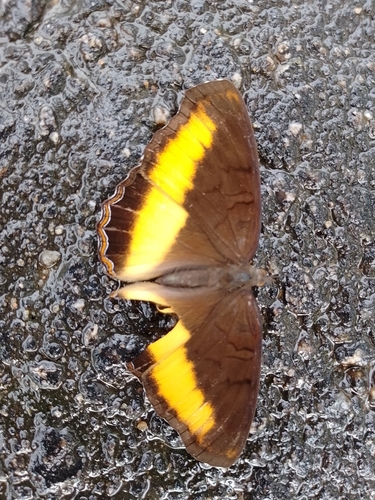
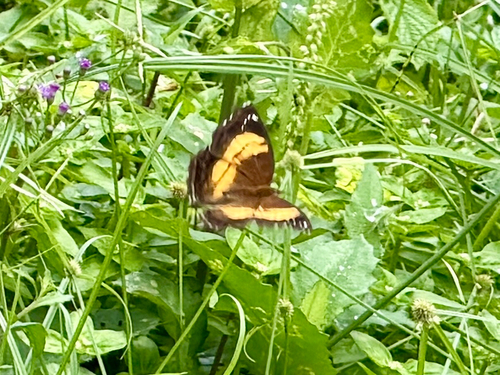
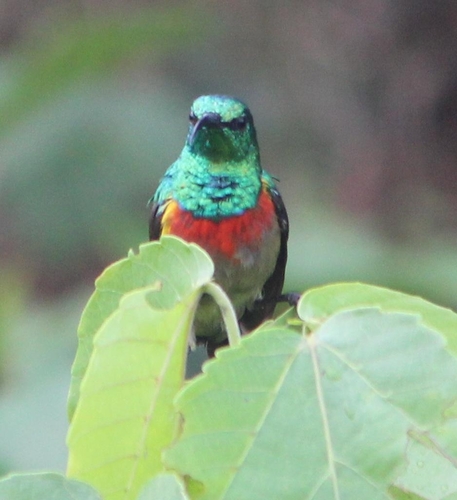
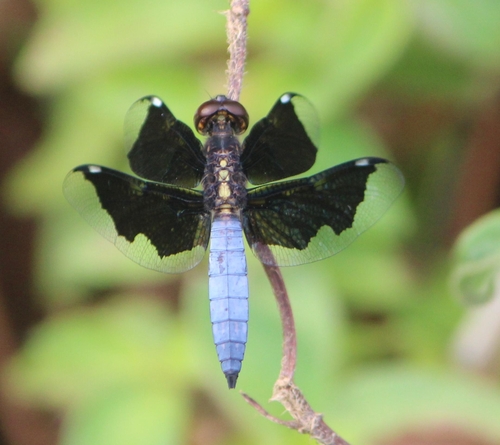
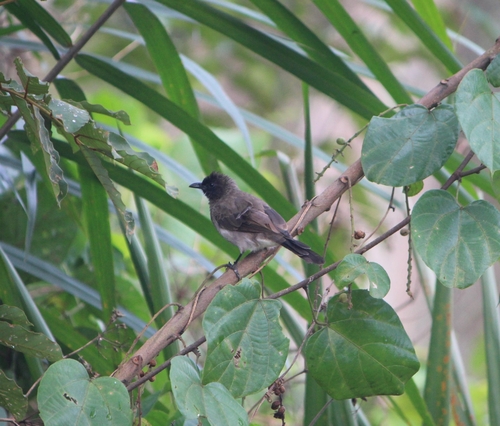
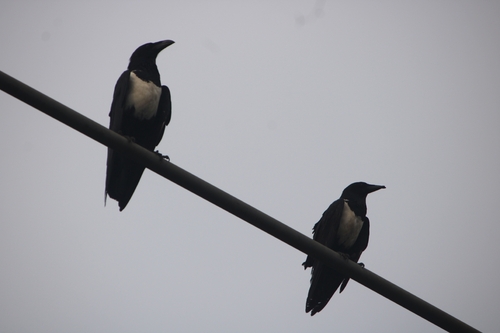
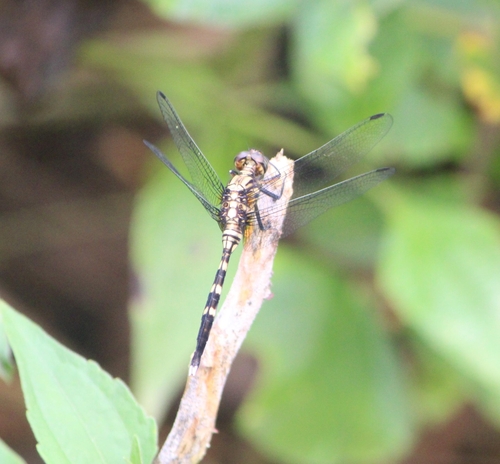
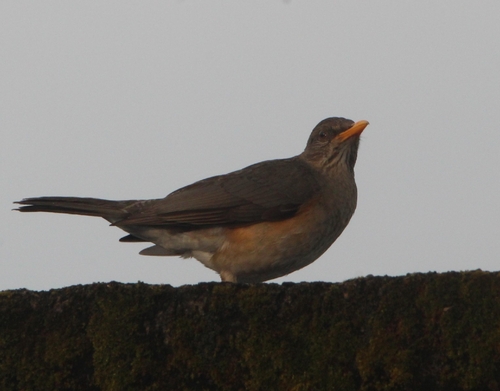
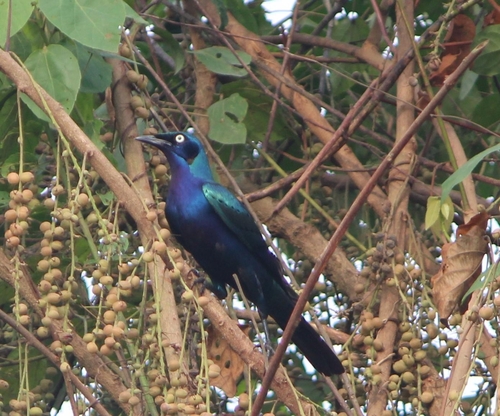
Research-grade observations from iNaturalist (within ~15 mi).
Events
Notable, recurring, and historical events associated with Calabar, sourced from Wikidata.
Source: Wikidata (CC0).
Gallery
Sources
- • Wikipedia
- • Wikidata
- • iNaturalist
- • Open-Meteo / sunrise-sunset.org
- • Wikipedia Pageviews API
- • Open Library