Browse / Nigeria / Plateau / Jos
Jos
Plateaucity
Total population
900,000
Demographic figures from National Bureau of Statistics (Nigeria). Overview below cites Wikipedia and may reference a different year.
City facts
Facts from Wikidata (CC0).
Overview
Jos is a city in Plateau State of North-Central region of Nigeria with a population of about 900,000 residents based on the 2006 census. Popularly called "J-Town", it is the administrative capital and largest city of Plateau State. The city is situated on the Jos plateau which lies within the Guinea Savannah of North-Central Nigeria. It connects most of the North-Eastern capitals to the Federal Capital Territory Abuja, by road. Driving in and out of Jos, traffic encounters very steep and windy bends and mountainous sceneries typical of the plateau, from which the state derives its name.
Read more on WikipediaHistory & geography
History
The earliest known settlers of the land that would come to be known as Nigeria were the Nok people ( BC), skilled artisans from around the Jos area who mysteriously vanished in the late first millennium. According to the historian Sen Luka Gwom Zangabadt, the area known as Jos today was inhabited by indigenous ethnic groups who were mostly farmers. During the British colonial period, direct rule was introduced for the indigenous ethnic groups on the Jos Plateau since they were not under the Fulani emirates where indirect rule was used. According to the historian Samuel N Nwabara, the Fulani empire controlled most of northern Nigeria, except the Plateau province and the Berom, Ngas, Tiv, Jukun and Idoma ethnic groups. It was the discovery of tin by the British that led to the influx of other ethnic groups such as the Hausa from the north, southeastern Igbo, and Yoruba from the country's southwest. As such, Jos is often recognised as a cosmopolitan Nigerian city.
Geography
Situated almost at the geographical centre of Nigeria and about from Abuja, the nation's capital, Jos is linked by road, rail and air to the rest of the country. The city is served by Yakubu Gowon Airport, but its rail connections no longer operate as the only currently operational section of Nigeria's rail network is the western line from Lagos to Kano. At an altitude of above sea level, Jos' climate is closer to temperate than that of the vast majority of Nigeria. Average monthly temperatures range from , and from mid-November to late January, night-time temperatures drop as low as . Hail sometimes falls during the rainy season because of the cooler temperatures at high altitudes. These cooler temperatures have, from colonial times until the present day, made Jos a favourite holiday location for both tourists and expatriates based in Nigeria. Jos receives about of rainfall annually, the precipitation arising from both convectional and orographic sources, owing to the location of the city on the Jos Plateau. According to the Köppen climate classification system, Jos has a tropical savanna climate, abbreviated Aw.
Excerpted from the corresponding Wikipedia article (CC BY-SA).
Geography
Coordinates & boundaries from the US Census TIGER/Line shapefiles.
Climate
Air quality
Walkability
Amenities nearby
Wildlife & biodiversity
Earthquake history
Photos
Sights & places nearby
Notable people from here


People born within ~10 km, from Wikidata (CC0). Click any name for their Wikipedia article.
Nearby places in Plateau
Geography & sun
Elevation, sunrise/sunset and daylight from Open-Meteo. Solar climatology from NASA POWER.
Nearby airports
Public attention
Pageview totals from the Wikimedia Pageviews API.
Books about Jos
Search results from Open Library.
Recent natural events nearby
Ground air-quality sensors
Recently spotted species

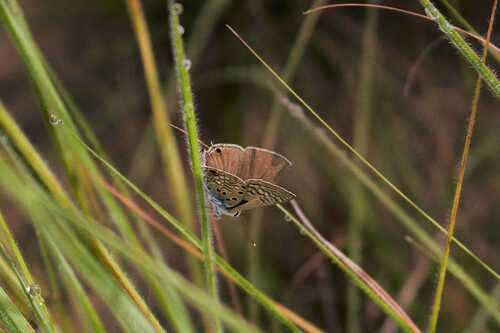
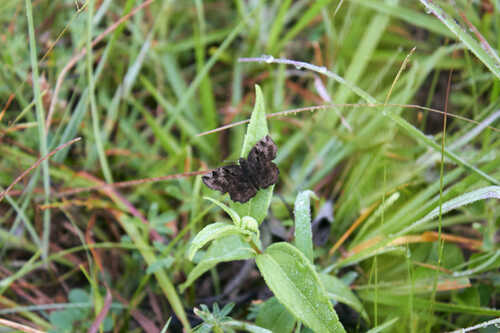
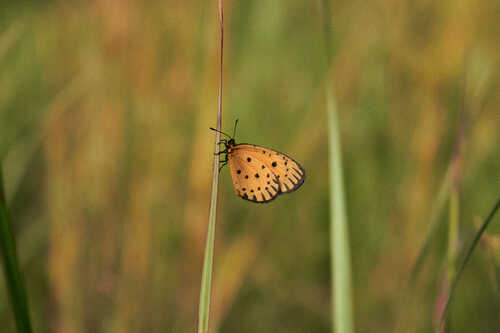
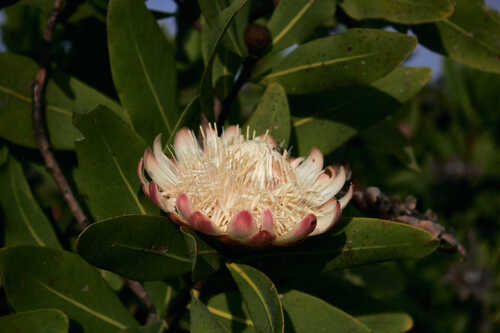
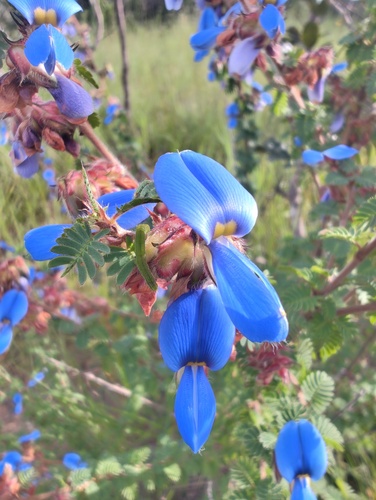
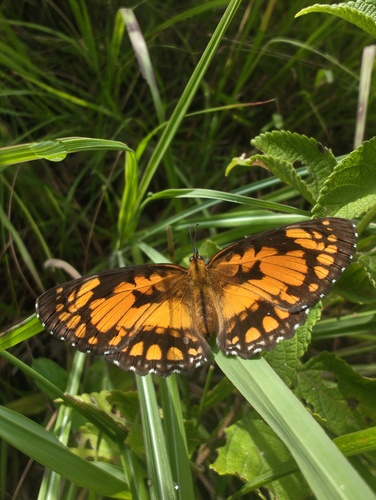
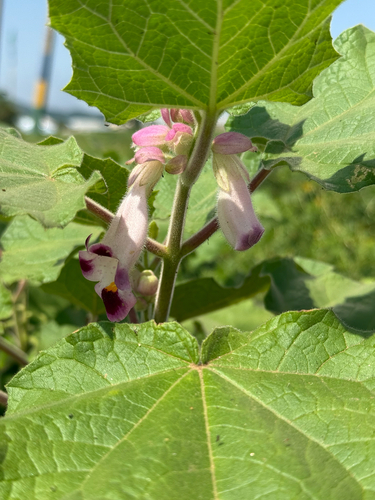
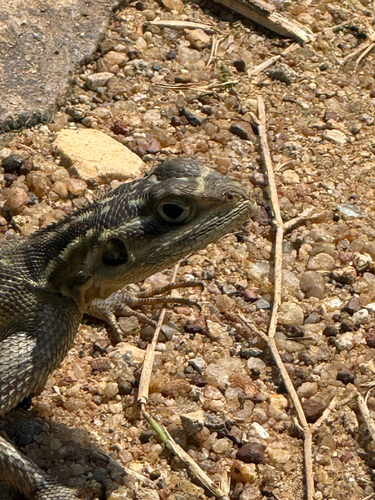
Research-grade observations from iNaturalist (within ~15 mi).
Events
Gallery
Sources
- • Wikipedia
- • Wikidata
- • iNaturalist
- • Open-Meteo / sunrise-sunset.org
- • Wikipedia Pageviews API
- • Open Library