Browse / Nigeria / Osun / Oshogbo
Oshogbo
Osuncity
Total population
156,694
Demographic figures from National Bureau of Statistics (Nigeria). Overview below cites Wikipedia and may reference a different year.
City facts
Sister cities
Facts from Wikidata (CC0).
Overview
Osogbo is a city in Nigeria. It became the capital city of Osun State in 1991. Osogbo city seats the Headquarters of both Osogbo Local Government Area and Olorunda Local Government Area. It is some 88 kilometers by road northeast of Ibadan. It is also 108 kilometres (67 mi) by road south of Ilorin and 108 kilometres (67 mi) northwest of Akure. Osogbo shares boundaries with Ikirun, Ilesa, Ede, Ogbomosho and Iragbiji and it is easily accessible from any part of the state because of its central nature. It is about 48 km from Ife, 32 km from Ilesa, 46 km from Iwo, 48 km from Ikire and 46 km from Ila-Orangun; the city had a population of about 200,000 people and an approximate land area of 126 km. The postal code of the area is 230. The current chairman of the council is in dispute.
Read more on WikipediaHistory & geography
History
According to tradition, In Ipole Omu, seven rulers reigned before Olarooye in the following succession: Adefokanbale, Aikanya, Ogbogba, Saso, Luberin, Laege (also known as Adetuturinrin; father to both Lajomo and Larooye), Lajomo and Olarooye. During the reign of Oba Olarooye at Ipole Omu, life became very unbearable because of incessant dry seasons. The then Ipole people became much dejected, worried and uncomfortable over the losses involving their farms, domestic animals and human beings. The Oba Olarooye was worried and disheartened by the situation at Ipole Omu. He wanted emergency solutions to inevitable and uncountable losses. This was the time he ordered the chief hunter at Ipole-in the person of Timehin-and his co-hunters to go on expedition and look for greener pastures. Timehin and the other hunters courageously took up the challenge and moved out in search of a better place for settlement. This expedition discovered River Osun. Yoruba tradition claims many people fleeing the Fulani Invasion settled at Osogbo following the fall of old Oyo. As a result, Osogbo increased in population largely due to migration from other Yoruba towns. For want of a more open place than a grove and a more central location, Olarooye and his people abandoned their settlement, including the already flourishing market and moved to Ode-Osogbo. At Ode-Osogbo, Olarooye built his new palace at the present-day Idi-Osun while Timehin built the Ogun shrine now known as Idi-Ogun. Since then, Osogbo has maintained its function as an economic center.
Excerpted from the corresponding Wikipedia article (CC BY-SA).
Geography
Coordinates & boundaries from the US Census TIGER/Line shapefiles.
Climate
Air quality
Walkability
Amenities nearby
Wildlife & biodiversity
Earthquake history
Photos
Sights & places nearby
Notable people from here
Nearby places in Osun
Geography & sun
Elevation, sunrise/sunset and daylight from Open-Meteo. Solar climatology from NASA POWER.
Nearby airports
Public attention
Pageview totals from the Wikimedia Pageviews API.
Books about Oshogbo
Search results from Open Library.
Recent natural events nearby
Ground air-quality sensors
Recently spotted species
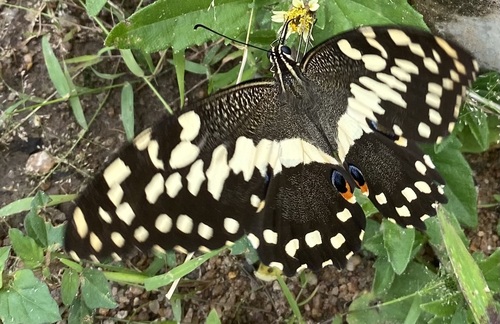
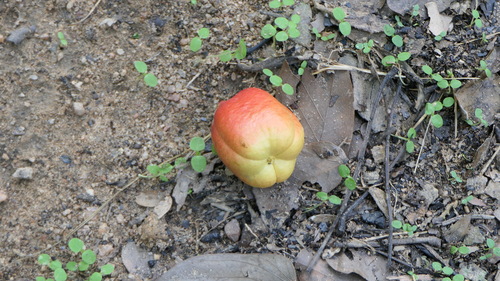

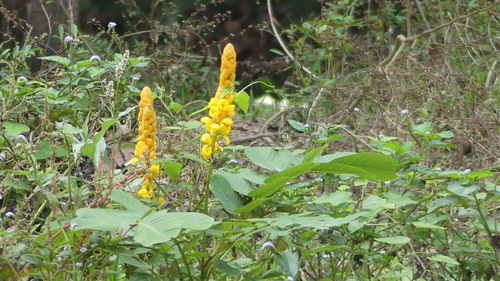
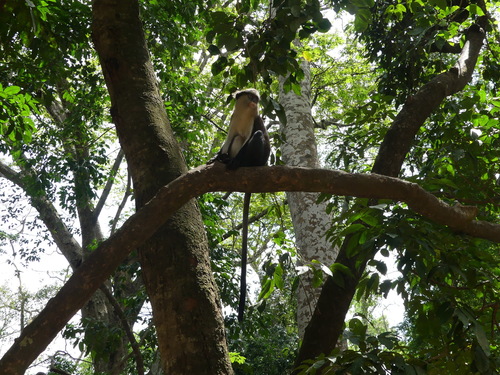
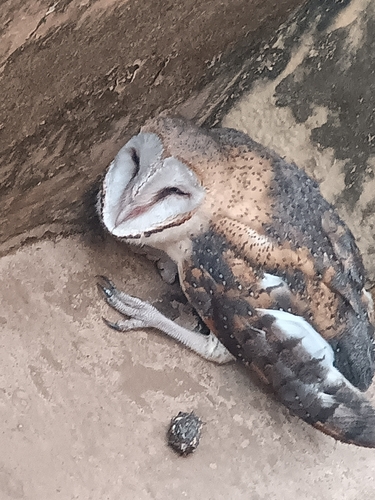
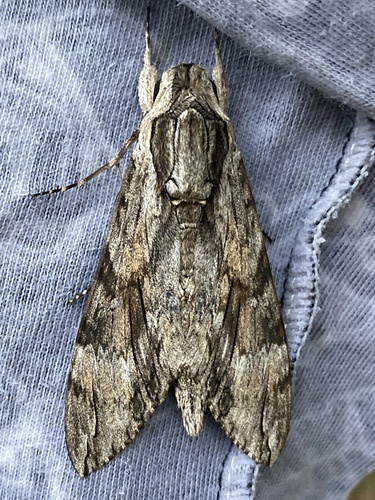
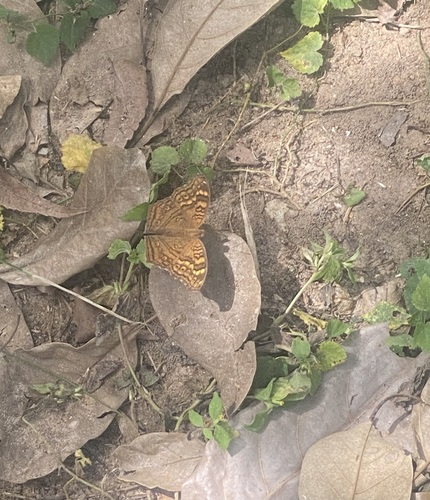
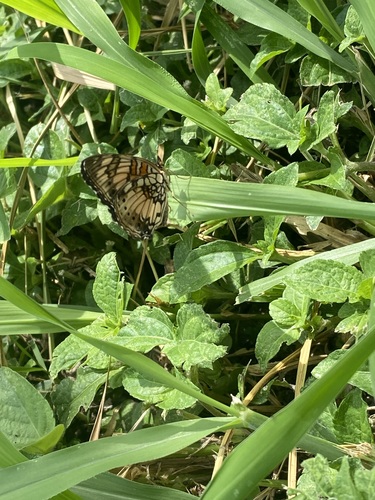
Research-grade observations from iNaturalist (within ~15 mi).
Events
Gallery
Sources
- • Wikipedia
- • Wikidata
- • iNaturalist
- • Open-Meteo / sunrise-sunset.org
- • Wikipedia Pageviews API
- • Open Library