Oslo
Oslocity

Oslo
Total population
1,110,887
Founded
1048
Air quality index
Demographic figures from Statistics Norway (SSB). Overview below cites Wikipedia and may reference a different year.
City facts
Sister cities
Facts from Wikidata (CC0).
Overview
Oslo is the capital and largest city of Norway. It constitutes both a county and a municipality. The municipality of Oslo had a population of 724,290 in 2025, while the city's greater urban area had a population of 1,110,887 in 2025, and the metropolitan area had an estimated population of 1,546,706 in 2021.
Read more on WikipediaHistory & geography
History
During the Viking Age, the area that includes modern Oslo was located in Viken, the northernmost province of Denmark. Control over the area shifted between Danish and Norwegian kings in the Middle Ages, and Denmark continued to claim the area until 1241. According to the Norse sagas, Oslo was founded around 1049 by Harald Hardrada. Recent archaeological research, however, uncovered Christian burials which could be dated to prior to AD 1000, evidence of a preceding urban settlement. This called for the celebration of Oslo's millennium in 2000 rather than 2049. Under the reign of Olaf III of Norway (1067–1093), Oslo became a cultural centre for Eastern Norway. Hallvard Vebjørnsson became the city's patron saint and is depicted on the city's seal. In 1174, Hovedøya Abbey was built. The churches and abbeys became major owners of large tracts of land, which proved important for the city's economic development, especially before the Black Death. At the end of the 12th century, Hanseatic League traders from Rostock moved into the city and gained major influence in the city. On 25 July 1197, Sverre of Norway and his soldiers attacked Oslo from Hovedøya. During the Middle Ages, Oslo reached new heights during the reign of Haakon V of Norway (1299–1319). He was the first king to reside permanently in the city, and it has been regarded as the capital city of Norway since his reign. He also started the construction of the Akershus Fortress and the Oslo Kongsgård. The Black Death came to Norway in 1349 and, like other cities in Europe, the city suffered greatly. The churches' earnings from their land dropped so much that the Hanseatic traders dominated the city's foreign trade in the 15th century. In 1380, Norway was the weaker part in a personal union with Denmark, and…
Geography
Oslo occupies an arc of land at the northernmost end of the Oslofjord. The fjord, which is nearly bisected by the Nesodden peninsula opposite Oslo, lies to the south; in all other directions Oslo is surrounded by green hills and mountains. There are 40 islands within the city limits, the largest being Malmøya (), and scores more around the Oslofjord. Oslo has 343 lakes, the largest being Maridalsvannet (). This is also a main source of drinking water for large parts of Oslo. Although Eastern Norway has a number of rivers, none of these flow into the ocean at Oslo. Instead Oslo has two smaller rivers: Akerselva (draining Maridalsvannet, which flows into the fjord in Bjørvika), and Alna. The waterfalls in Akerselva gave power to some of the first modern industry of Norway in the 1840s. Later in the century, the river became the symbol of the stable and consistent economic and social divide of the city into an East End and a West End; the labourers' neighbourhoods lie on both sides of the river, and the divide in reality follows Uelands street a bit further west. River Alna flows through Groruddalen, Oslo's major suburb and industrial area. The highest point is Kirkeberget, at . Although the city's population is small compared to most European capitals, it occupies an unusually large land area, of which two-thirds are protected areas of forests, hills and lakes. Its boundaries encompass many parks and open areas, giving it an airy and green appearance. Oslo has a humid continental climate (Köppen climate classification: Dfb) or, if the original Köppen winter threshold is used, an oceanic climate (Cfb). Oslo has some of the warmest summers of Norway and fairly cold winters. Oslo receives a fair amount of precipitation during the year. The warmest month on record is…
Excerpted from the corresponding Wikipedia article (CC BY-SA).
Geography
Coordinates & boundaries from the US Census TIGER/Line shapefiles.
Climate
10-year averages from ERA5 reanalysis (Open-Meteo).
Air quality
Current readings from Open-Meteo Air Quality API (Copernicus CAMS European reanalysis).
Walkability
Amenities nearby
Wildlife & biodiversity
Most-observed species
- Great TitParus major Linnaeus, 1758 · Aves27,501
- Eurasian Blue TitCyanistes caeruleus (Linnaeus, 1758) · Aves25,870
- Eurasian BlackbirdTurdus merula Linnaeus, 1758 · Aves25,672
- Eurasian MagpiePica pica (Linnaeus, 1758) · Aves23,773
- Hooded CrowCorvus cornix Linnaeus, 1758 · Aves20,790
- MallardAnas platyrhynchos Linnaeus, 1758 · Aves18,265
- European GreenfinchChloris chloris (Linnaeus, 1758) · Aves17,715
- Common Wood-PigeonColumba palumbus Linnaeus, 1758 · Aves16,267
Citizen-science & research observations from the Global Biodiversity Information Facility (GBIF).
Earthquake history
Most recent
- M 3.9 — 2026-04-261 km SSE of Sørumsand, Norway
- M 2.9 — 2008-05-254 km WSW of Åneby, Norway
- M 2.6 — 2005-01-297 km NNE of Hvittingfoss, Norway
- M 2.6 — 2004-12-2910 km WNW of Flateby, Norway
- M 3.4 — 2004-04-0711 km N of Sand, Norway
Events from the USGS Earthquake Catalog (global) (FDSN Event Web Service).
Photos
Sights & places nearby
Notable people from here


People born within ~10 km, from Wikidata (CC0). Click any name for their Wikipedia article.
Nearby places in Oslo
- Desni Dubrovčak1012.4 mi away · pop. 115
- Jezero Posavsko1012.8 mi away
- Donji Vukojevac1013 mi away · pop. 499
- Gornji Vukojevac1013.3 mi away · pop. 67
- Desno Željezno1014 mi away · pop. 170
- Mustafina Klada1014 mi away · pop. 164
- Lijevo Željezno1014.2 mi away · pop. 9
- Brežane Lekeničke1014.7 mi away · pop. 302
- Ruškovica1014.8 mi away · pop. 56
- Kompator1014.8 mi away · pop. 80
- Lijeva Luka1015.2 mi away · pop. 233
- Lekenik1015.3 mi away · pop. 1,897
Geography & sun
Elevation, sunrise/sunset and daylight from Open-Meteo. Solar climatology from NASA POWER.
Nearby airports
Public attention
Pageview totals from the Wikimedia Pageviews API.
Books about Oslo



Search results from Open Library.
Recent natural events nearby
Ground air-quality sensors
Recently spotted species
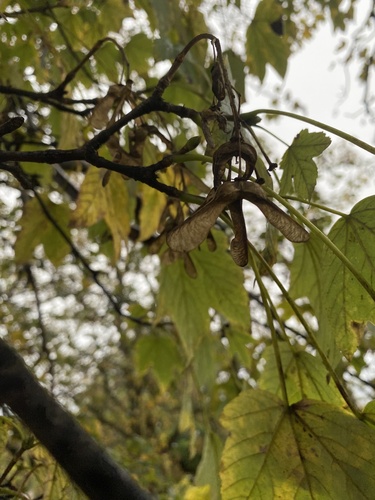
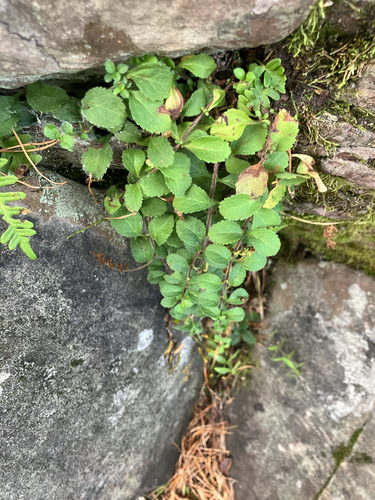
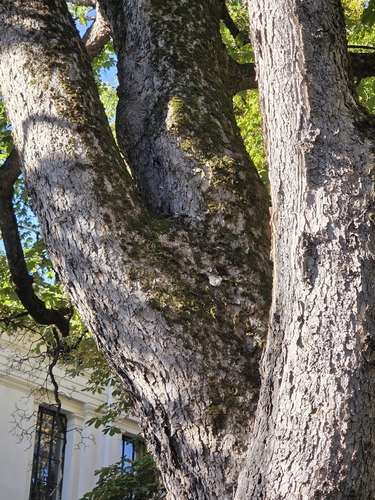
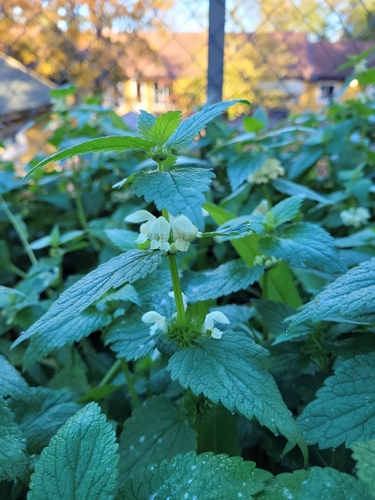
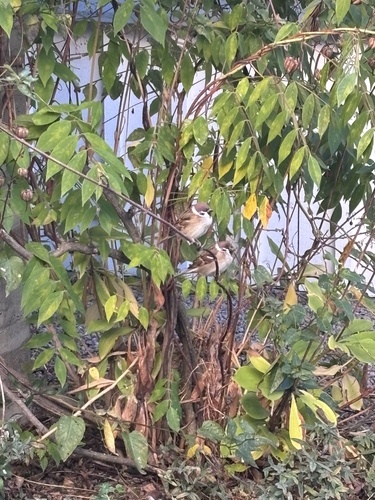
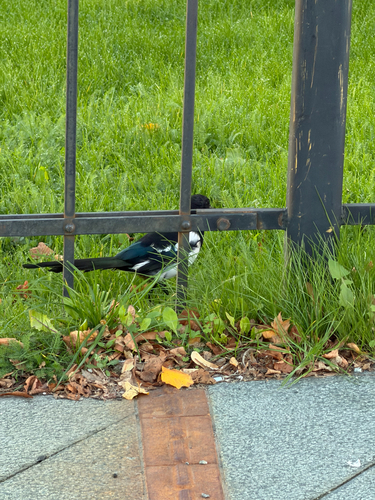
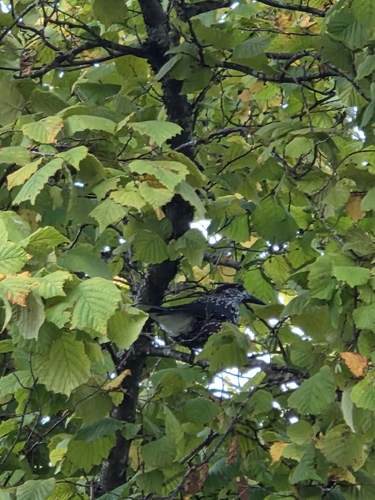
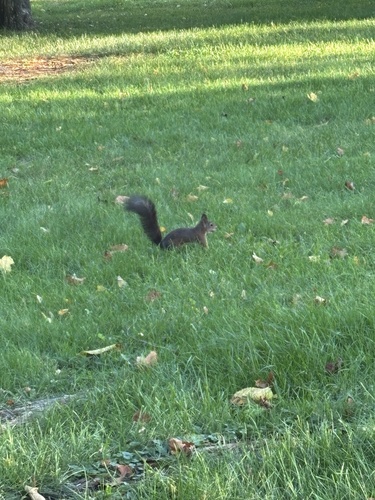
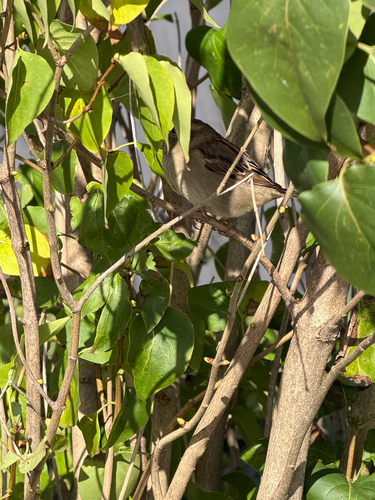
Research-grade observations from iNaturalist (within ~15 mi).
Events
Notable, recurring, and historical events associated with Oslo, sourced from Wikidata.
- Oct 3, 2021
- Oct 2, 2021
- Q31080256Mar 12, 2017sporting event
- Q31081327Mar 12, 2017sporting event
- Biathlon World Championships 2016 – men's sprintJan 1, 2016sporting event
- Biathlon World Championships 2016 – men's pursuitJan 1, 2016sporting event
- Biathlon World Championships 2016 – women's individualJan 1, 2016sporting event
- Biathlon World Championships 2016 – men's individualJan 1, 2016sporting event
- Biathlon World Championships 2016 – women's relayJan 1, 2016sporting event
- Biathlon World Championships 2016 – men's relayJan 1, 2016sporting event
- Biathlon World Championships 2016 – men's mass startJan 1, 2016sporting event
- Biathlon World Championships 2016 – women's mass startJan 1, 2016sporting event
- Jan 1, 2015
- Jan 1, 2010
- Jan 1, 2008
- Jan 1, 2006
- Spellemannprisen 1985Jan 18, 1986award ceremony
Source: Wikidata (CC0).
Gallery
Geotagged photos within ~6 miles of Oslo, from Wikimedia Commons contributors.

.jpg)


.jpg)
.jpg)
.jpg)


.jpg)


_(29765878612).jpg)
_(29844802436).jpg)
.jpg)
.jpg)

Photos via Wikimedia Commons — see each image page for license & attribution.
Official Identifiers
SSB — Statistics Norway
- Kommunenr
- 0301
- Population (Wikidata)
- 728,714
- Wikidata
- Q5245991
Kommunenummer via Wikidata P2504
Sources
- • Wikipedia
- • Open-Meteo (ERA5 reanalysis)
- • Wikimedia Commons
- • Wikidata
- • Open-Meteo Air Quality (CAMS)
- • USGS Earthquake Catalog (global feed)
- • GBIF (Global Biodiversity Information Facility)
- • iNaturalist
- • Open-Elevation
- • Open-Meteo / sunrise-sunset.org
- • Wikipedia Pageviews API
- • Open Library
- • Wikidata SPARQL (CC0) — population, area, elevation, inception, head of government, Commons image
- • SSB — Statistics Norway — Kommunenummer via Wikidata P2504