Browse / Poland / Silesia / Bytom
Bytom
Silesiacity

Bytom
Total population
153,274
Founded
1200
Demographic figures from Statistics Poland (GUS). Overview below cites Wikipedia and may reference a different year.
City facts
Sister cities
Facts from Wikidata (CC0).
Overview
Bytom is a city in Upper Silesia, in southern Poland. Located in the Silesian Voivodeship, the city is 7 km (4 mi) northwest of Katowice, the regional capital.
Read more on WikipediaHistory & geography
History
Bytom is one of the oldest cities of Upper Silesia, originally recorded as Bitom in 1136, when it was part of the Medieval Kingdom of Poland. Archaeological discoveries have shown that there was a fortified settlement (a gród) here, probably founded by the Polish King Bolesław I the Brave in the early 11th century. After the fragmentation of Poland in 1138, Bytom became part of the Seniorate Province, as it was still considered part of historic Lesser Poland. In 1177 it became part of the Silesian province of Poland, and remained within historic Silesia since. Bytom received city rights from Prince Władysław in 1254 with its first centrally located market square. The city of Bytom benefited economically from its location on a trade route linking Kraków with Silesia from east to west, and Hungary with Moravia and Greater Poland from north to south. The first Roman Catholic Church of the Virgin Mary was built in 1231. In 1259 Bytom was raided by the Mongols. The Duchy of Opole was split and in 1281 Bytom became a separate duchy, since 1289 under overlordship of the Kingdom of Bohemia. Bytom Castle was built in around 1284-1299 and demolished in later centuries. The duchy existed until 1498, when it was re-integrated with the Piast-ruled Duchy of Opole. In 1460 a Polish–Czech friendship treaty was signed in Bytom. Due to German settlers coming to the area, the city was being Germanized. It came under the control of the Habsburg monarchy of Austria in 1526, which increased the influence of the German language. In 1683, Polish King John III Sobieski and his wife Queen Marie Casimire, visited the city, greeted by the townspeople and clergy, on the king's way to the Battle of Vienna. The city became part of the Kingdom of Prussia in 1742 during the Silesian Wars and part of…
Geography
The bedrock of the Upland of Miechowice consists primarily of sandstones and slates. The rocks are punctuated with abundant natural resources of coal and iron ore from the Carboniferous period. In the north part of the upland, in the Bytom basin lays the broad range of the triassic rocks, from sandstones to limestones, with rich ore, zinc and lead reserves. The upper layer is composed of clay, sand and gravel.
Excerpted from the corresponding Wikipedia article (CC BY-SA).
Geography
Coordinates & boundaries from the US Census TIGER/Line shapefiles.
Climate
Air quality
Walkability
Amenities nearby
Wildlife & biodiversity
Earthquake history
Photos
Sights & places nearby
Notable people from here


People born within ~10 km, from Wikidata (CC0). Click any name for their Wikipedia article.
Geography & sun
Elevation, sunrise/sunset and daylight from Open-Meteo. Solar climatology from NASA POWER.
Nearby airports
Public attention
Pageview totals from the Wikimedia Pageviews API.
Books about Bytom


Search results from Open Library.
Recent natural events nearby
Ground air-quality sensors
Recently spotted species
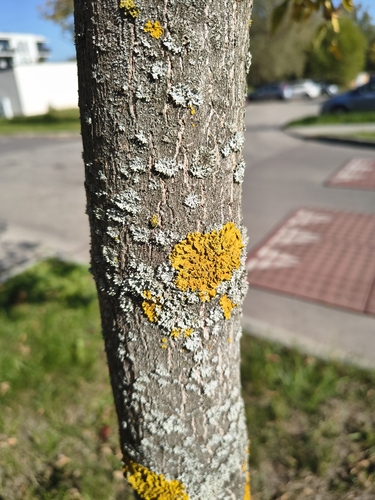
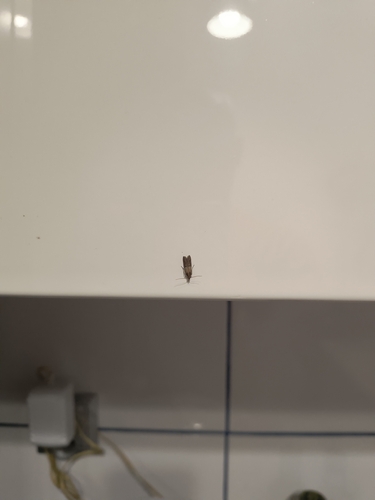
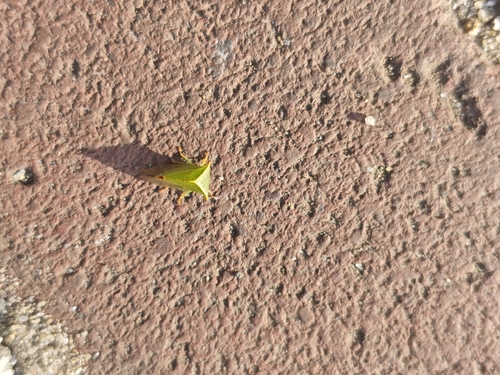
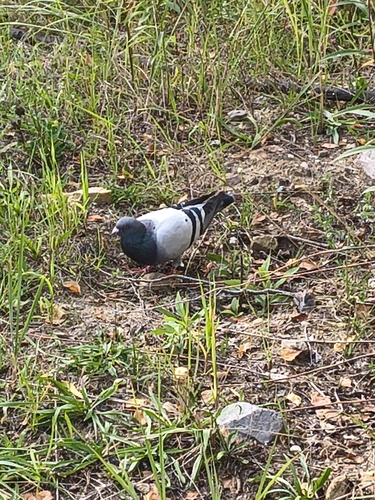
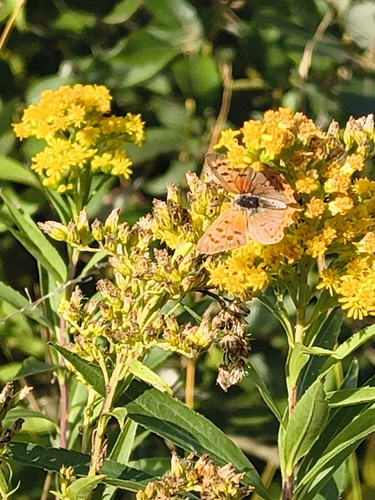
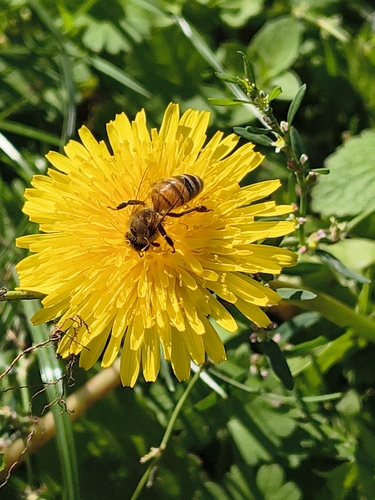
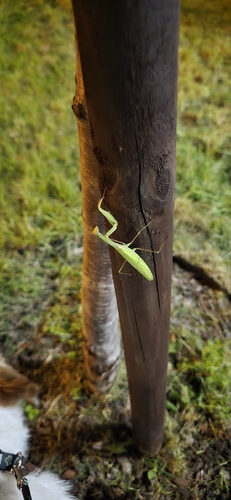
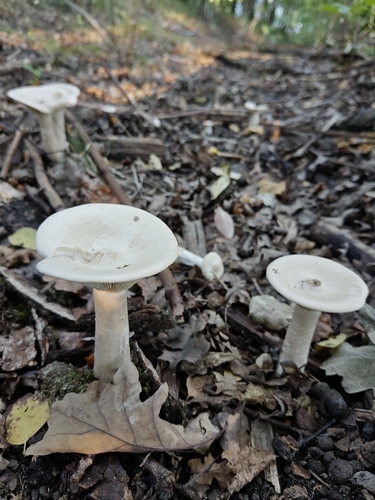
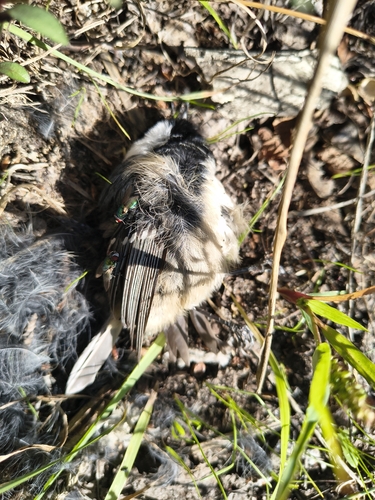
Research-grade observations from iNaturalist (within ~15 mi).
Events
Gallery
Official Identifiers
GUS — Statistics Poland
- SIMC code
- 0938670
- Population (Wikidata)
- 153,274
- Wikidata
- Q102350
SIMC place ID via Wikidata P4046
Sources
- • Wikipedia
- • Wikidata
- • iNaturalist
- • Open-Meteo / sunrise-sunset.org
- • Wikipedia Pageviews API
- • Open Library
- • GUS — Statistics Poland — SIMC place ID via Wikidata P4046