Browse / Poland / Świętokrzyskie / Kielce
Kielce
Świętokrzyskiecity

Kielce
Total population
183,885
Demographic figures from Statistics Poland (GUS). Overview below cites Wikipedia and may reference a different year.
City facts
Sister cities
Facts from Wikidata (CC0).
Overview
Kielce is a city in south-central Poland. It is the capital of the Świętokrzyskie Voivodeship. In 2021, it had 192,468 inhabitants. The city is in the middle of the Świętokrzyskie Mountains, on the banks of the Silnica River, in the northern part of the historical Polish province of Lesser Poland.
Read more on WikipediaHistory & geography
History
The area of Kielce has been inhabited since at least the 5th century BC. Until the 6th or 7th century, the banks of the Silnica were inhabited by Celts. They were driven out by a Lechitic tribe of Vistulans who started hunting in the nearby huge forests and had settled most of the area now known as Lesser Poland and present-day Świętokrzyskie Voivodeship. The lands of Wiślanie were at first subdued by Bohemia, however they soon came under the control of the Piast dynasty and became a part of the emerging Polish state. The area of the Holy Cross Mountains was almost unpopulated until the 11th century when the first hunters established permanent settlements at the outskirts of the mountains. They needed a place to trade furs and meat for grain and other necessary products, and so the market of Kielce was formed. In the early 12th century the new settlement became a property of the Bishops of Kraków, who built a wooden church and a manor. In 1171 a stone church was erected by bishop Gedeon Gryf. During the times of Wincenty Kadłubek a parochial school in Kielce was opened in 1229. By 1295 the town was granted city rights. In the mid-13th century the town was destroyed by the Mongol invasion of Ögedei Khan, but it quickly recovered. Within the Polish Kingdom, Kielce was administratively located in the Sandomierz Voivodeship in the Lesser Poland Province. The area around Kielce was rich in minerals such as copper ore, lead ore, and iron, as well as limestone. In the 15th century Kielce became a significant centre of metallurgy. There were also several glass factories and armourer shops in the town. In 1527 bishop Piotr Tomicki founded a bell for the church and between 1637 and 1642 Mannerist palace was erected near the market place by Bishop Jakub Zadzik. It is one of the…
Geography
Kielce is one of the relatively cooler cities in Poland. It experiences four distinct seasons and has a warm summer subtype humid continental climate (Dfb), typical of this part of Europe. It has cool, cloudy winters with almost daily light snowfall and generally moderate temperatures within a few degrees of the freezing point, and moderately warm and sunny summers, with frequent but brief hot spells and abundant rainfall falling mostly during numerous and occasionally severe thunderstorms. Surrounded by the Holy Cross Mountains, however, the summer night time temperatures are somewhat cooler and the thunderstorms somewhat more frequent and severe than in surrounding areas of Poland. Both continental and maritime air masses can enter the area undergoing little modification, resulting in striking differences in the seasons from year to year, particularly in winter when the contrast between maritime and continental air is at its greatest. Maritime influences from the Atlantic typically bring cool, cloudy, damp and often foggy weather both in summer and in winter, whereas continental air masses often result in long periods of sunny and dry weather, hot in summer and on occasion, extremely cold in winter. The highest temperature recorded in Kielce since 1971 is giving the city a temperature range of 70.3 °C (126.5 °F), the second highest in Poland. The city receives 1720 to 1829 hours of sunshine annually, depending on the source, with a notably sunny spring and summer, and a cloudy late autumn and winter. Winds are generally very light throughout the year, with an abundance of calm days, and as a result, cool temperatures often feel much milder than expected due to a relative lack of windchill, especially during sunny spells in early spring, as well as during…
Excerpted from the corresponding Wikipedia article (CC BY-SA).
Geography
Coordinates & boundaries from the US Census TIGER/Line shapefiles.
Climate
Air quality
Walkability
Amenities nearby
Wildlife & biodiversity
Earthquake history
Photos
Sights & places nearby
Notable people from here


People born within ~10 km, from Wikidata (CC0). Click any name for their Wikipedia article.
Nearby places in Świętokrzyskie
- Kostomłoty Drugie4.6 mi away · pop. 1,522
- Wiśniówka4.7 mi away · pop. 594
- Suków4.7 mi away · pop. 2,138
- Masłów Pierwszy4.7 mi away · pop. 1,762
- Miedziana Góra5.4 mi away · pop. 2,317
- Leszczyny5.6 mi away · pop. 960
- Kowala5.7 mi away · pop. 936
- Zabłocie5.8 mi away
- Siodła5.8 mi away
- Niestachów5.8 mi away · pop. 800
- Brynica5.9 mi away · pop. 830
- Jaworze6.1 mi away
Geography & sun
Elevation, sunrise/sunset and daylight from Open-Meteo. Solar climatology from NASA POWER.
Nearby airports
Public attention
Pageview totals from the Wikimedia Pageviews API.
Books about Kielce


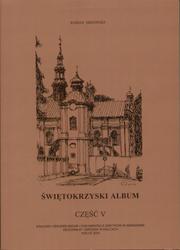
Search results from Open Library.
Recent natural events nearby
Ground air-quality sensors
Recently spotted species
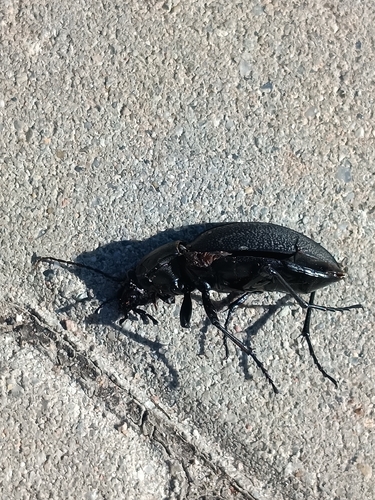
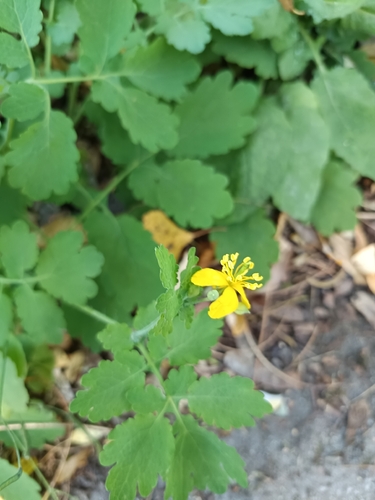
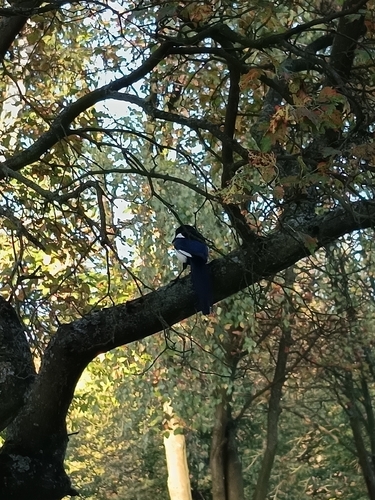

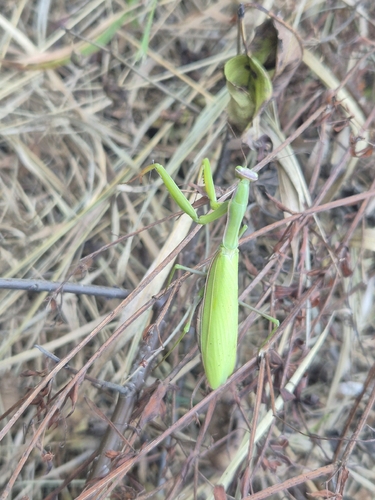
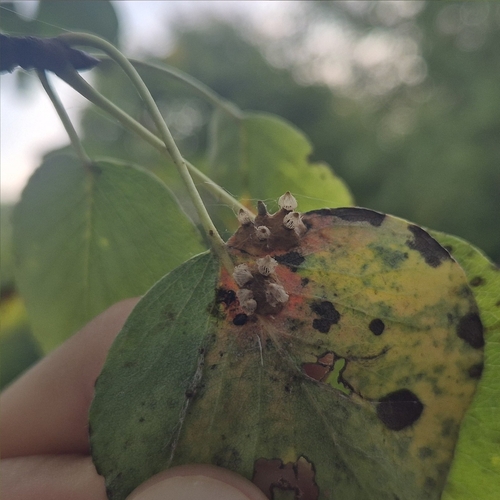

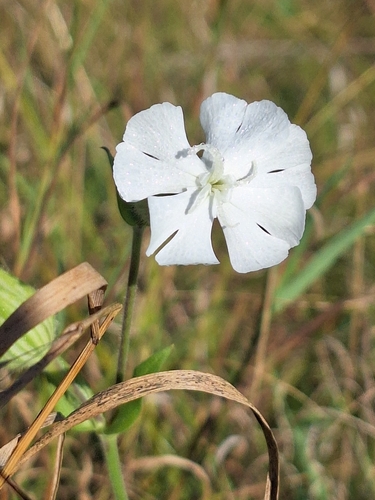
Research-grade observations from iNaturalist (within ~15 mi).
Events
Notable, recurring, and historical events associated with Kielce, sourced from Wikidata.
Source: Wikidata (CC0).
Gallery
Official Identifiers
GUS — Statistics Poland
- SIMC code
- 0945930
- Population (Wikidata)
- 186,894
- Wikidata
- Q102317
SIMC place ID via Wikidata P4046
Sources
- • Wikipedia
- • Wikidata
- • iNaturalist
- • Open-Meteo / sunrise-sunset.org
- • Wikipedia Pageviews API
- • Open Library
- • GUS — Statistics Poland — SIMC place ID via Wikidata P4046