Browse / Poland / Lower Silesia / Lubin
Lubin
Lower Silesiatown

Lubin
Total population
70,016
Founded
1280
Demographic figures from Statistics Poland (GUS). Overview below cites Wikipedia and may reference a different year.
City facts
Sister cities
Facts from Wikidata (CC0).
Overview
Lubin is a city in Lower Silesian Voivodeship in south-western Poland. It is the administrative seat of Lubin County, and also of the rural district called Gmina Lubin, although it is not part of the territory of the latter, as the town forms a separate urban gmina. As of 2021, the city had a total population of 70,815.
Read more on WikipediaHistory & geography
History
The area of Lubin lies midway between the main settlements of two West Slavic Ślężanie tribes, the Dziadoszanie and the Trzebowianie, whose lands were both subdued by Mieszko I of Poland about 990. It is unclear which of the two tribes, if either, founded the town. One legend states that the town derives its name from Luba, a young man credited with slaying a giant bear that had been terrifying the inhabitants. A papal bull dated to circa 1155 mentions Lubin as one of 13 Silesian castellanies. According to legend the Polish voivode Piotr Włostowic of Dunin (1080–1153) had a fieldstone church built on the hill in the west of Lubin, where about 1230 a castellany and a village arose that until today is called the Old City (). The settlement in the Duchy of Głogów was first mentioned under the Old Polish name of Lubin in a 1267 deed by Pope Clement IV as a fiefdom of Trzebnica Abbey. The New City of what is today Lubin was probably founded in the 1280s under the rule of Duke Przemko of Ścinawa by German settlers, maybe descending from Lower Lorraine or Franconia, in the course of the Ostsiedlung. It obtained its city rights about 1295. In 1329 Duke John of Ścinawa paid homage to King John of Bohemia, who upon the death of John's brother Duke Przemko II of Głogów in 1331 invaded the lands, which were incorporated into the Kingdom of Bohemia and shared the political fortunes of the Silesian crown land. From 1348 Lubin Castle served as the residence of the Piast duke Louis I the Fair and his descendants. In the quarrel with his elder brother Duke Wenceslaus I of Legnica a 1359 judgement by Emperor Charles IV allotted Lubin along with Krzeczyn Wielki, Krzeczyn Mały, Osiek and Pieszków to Louis. About 1353 he had a manuscript on the life of Saint Hedwig of Andechs drawn up,…
Geography
Lubin is situated on the Zimnica river in the Lower Silesian historical region.
Excerpted from the corresponding Wikipedia article (CC BY-SA).
Geography
Coordinates & boundaries from the US Census TIGER/Line shapefiles.
Climate
Air quality
Walkability
Amenities nearby
Wildlife & biodiversity
Earthquake history
Photos
Sights & places nearby
Notable people from here
Nearby places in Lower Silesia
- Chróstnik3.6 mi away · pop. 1,099
- Pieszków4.2 mi away
- Raszówka6.5 mi away
- Zimna Woda6.7 mi away
- Ręszów6.9 mi away · pop. 290
- Ogrodzisko6.9 mi away · pop. 202
- Jędrzychów7.6 mi away · pop. 537
- Lisiec8.6 mi away
- Michałów9.3 mi away
- Bieniowice9.8 mi away
- Dłużyce10.3 mi away · pop. 110
- Rzeszotary10.4 mi away · pop. 960
Geography & sun
Elevation, sunrise/sunset and daylight from Open-Meteo. Solar climatology from NASA POWER.
Nearby airports
Public attention
Pageview totals from the Wikimedia Pageviews API.
Books about this place
Recent natural events nearby
Ground air-quality sensors
Recently spotted species
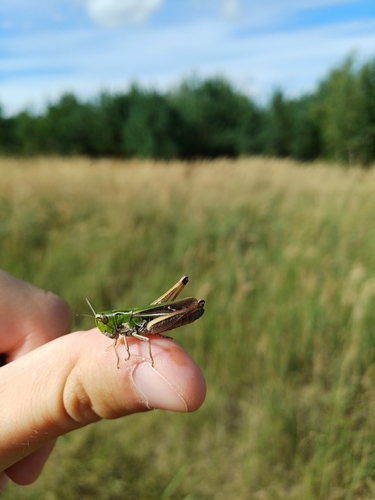
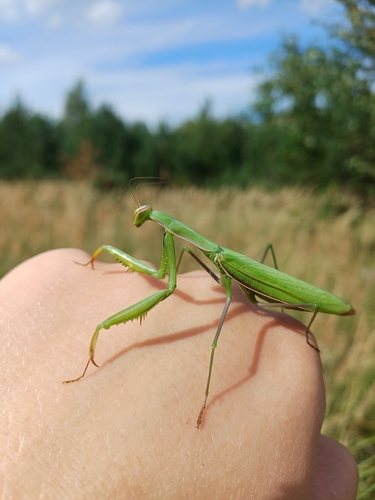
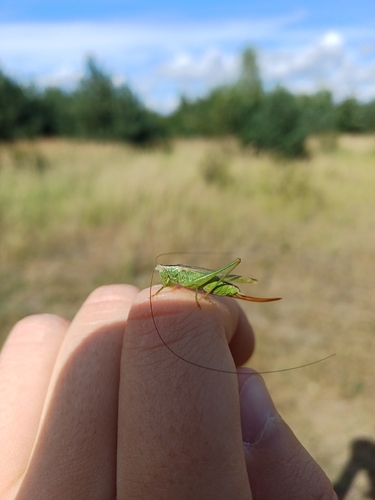
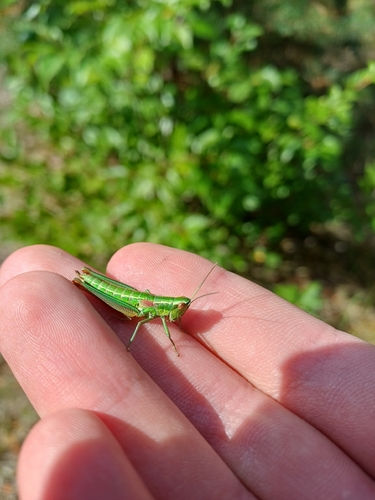
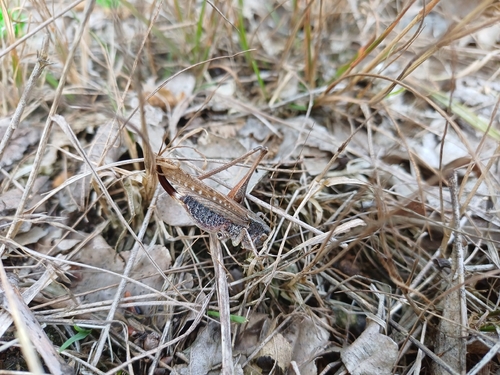
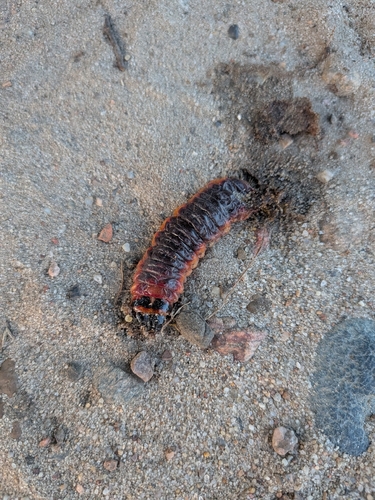
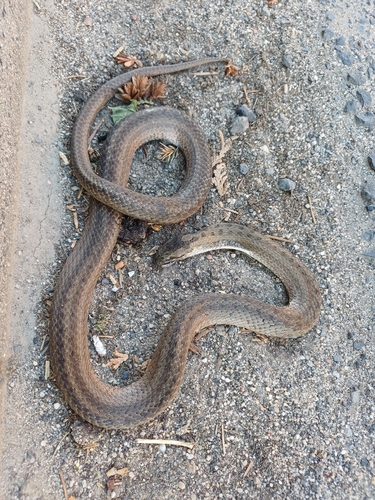
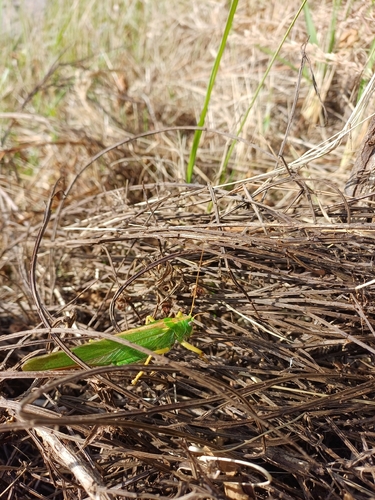
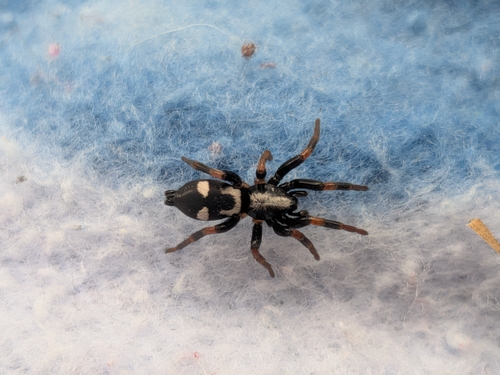
Research-grade observations from iNaturalist (within ~15 mi).
Events
Gallery
Sources
- • Wikipedia
- • Wikidata
- • iNaturalist
- • Open-Meteo / sunrise-sunset.org
- • Wikipedia Pageviews API