Browse / Poland / Łódź / Łowicz
Łowicz
Łódźtown

Łowicz
Total population
26,928
Demographic figures from Statistics Poland (GUS). Overview below cites Wikipedia and may reference a different year.
City facts
Sister cities
Facts from Wikidata (CC0).
Overview
Łowicz is a town in central Poland with 27,436 inhabitants (2021). It is situated in the Łódź Voivodeship. Together with a nearby station of Bednary, Łowicz is a major rail junction of central Poland, where the line from Warsaw splits into two directions—towards Poznań, and Łódź. Also, the station Łowicz Main is connected through a secondary-importance line with Skierniewice.
Read more on WikipediaHistory & geography
History
The history of Lowicz dates back to the 12th century, when a gord, which guarded the swampy Bzura river ford existed in the location of the castle. Lowicz, spelled as Loviche, was first mentioned in a papal bull of Pope Innocent II, on July 7, 1136. In this document, the pope confirmed the right of the Archbishops of Gniezno to own local land. In 1214 or 1215 at Wolborz, Piast Dukes of four Polish provinces: Leszek I the White of Kraków, Konrad I of Masovia, Wladyslaw Odonic of Kalisz and Casimir I of Opole issued the so-called Immunity Privilege, in which they confirmed the fact that Archbishops of Gniezno owned Lowicz. At that time, Lowicz was still called villa (village), even though the archbishops’ mansion already existed here. It is not known when Lowicz received town charter. First document which calls it oppidium (town) dates back to 1298, and was issued by Duke Boleslaw I of Płock. Before that, in 1263, Łowicz was ransacked and burned in a Lithuanian raid. In 1350, a Polish-Danish alliance was formed in Łowicz. According to chronicler Jan of Czarnkow, in ca. 1355 Archbishop Jaroslaw of Bogoria and Skotnik built a brick Gothic castle in the location of the former gord. The castle became one of residences of Archbishops of Gniezno and Primates of Poland. Furthermore, in ca. 1358, he granted Magdeburg rights to the newly established New Town (Nowe Miasto). New Civitas of Lowicz was located east of the old gord, along the Bzura and around the wooden church, which stood in the location of contemporary Cathedral Basilica. In the late Middle Ages Lowicz was the seat of a castellany. Located on the border between the Kingdom of Poland and the Duchy of Masovia, it remained under firm control of the Gniezno Archbishops. In the mid-14th century Lowicz, together with…
Excerpted from the corresponding Wikipedia article (CC BY-SA).
Geography
Coordinates & boundaries from the US Census TIGER/Line shapefiles.
Climate
Air quality
Walkability
Amenities nearby
Wildlife & biodiversity
Earthquake history
Photos
Sights & places nearby
Notable people from here
Nearby places in Łódź
Geography & sun
Nearby airports
Public attention
Books about this place
Recent natural events nearby
Ground air-quality sensors
Recently spotted species
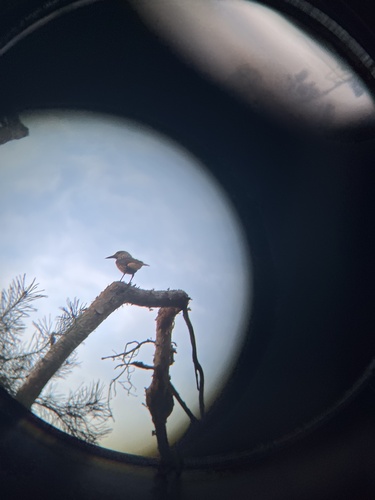
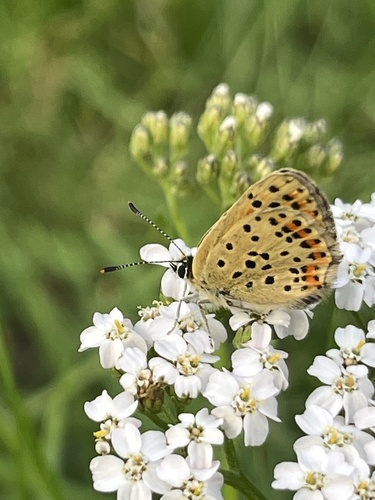
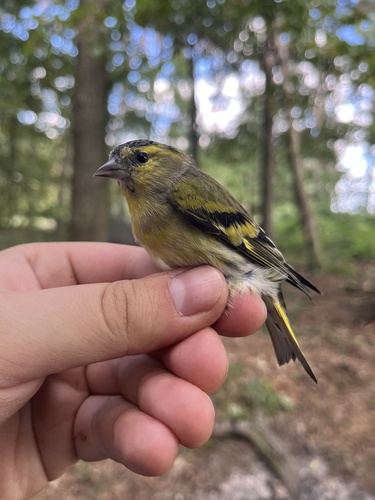
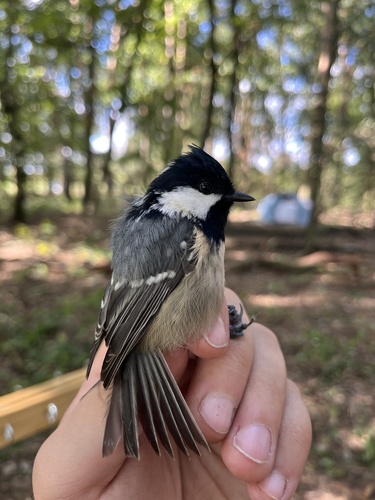
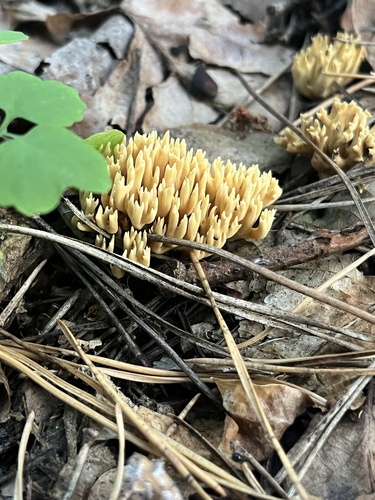
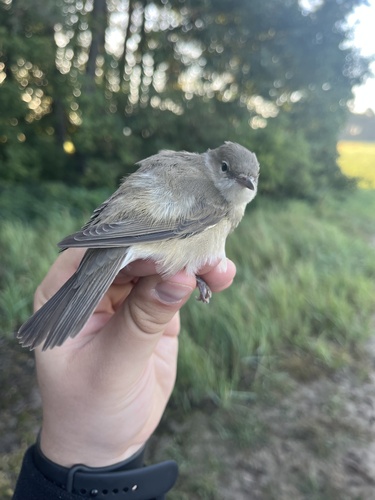
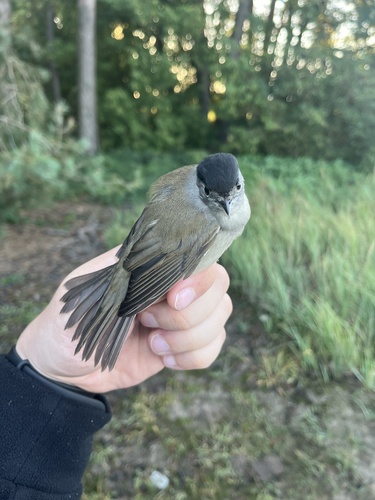
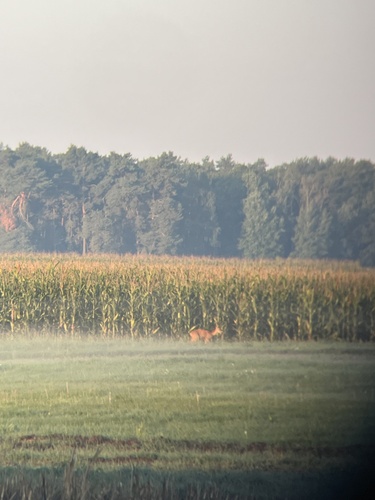
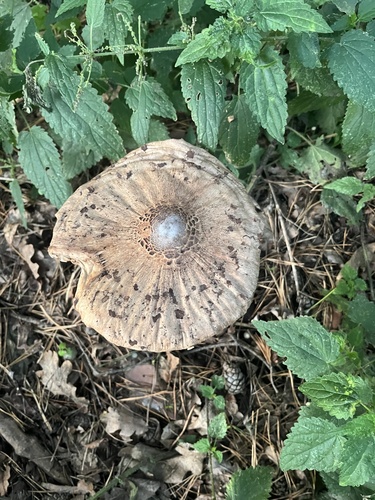
Research-grade observations from iNaturalist (within ~15 mi).
Events
Gallery
Sources
- • Wikipedia
- • Wikidata
- • iNaturalist