Browse / Poland / Greater Poland / Pleszew
Pleszew
Greater Polandtown

Pleszew
Total population
16,872
Demographic figures from Statistics Poland (GUS). Overview below cites Wikipedia and may reference a different year.
City facts
Facts from Wikidata (CC0).
Overview
Pleszew is a town in central Poland, in Greater Poland Voivodeship, about 90 km southeast of Poznań. It is the capital of Pleszew County. The town's population is 16,811 (2022). The town is claimed to be a 15-minute city.
Read more on WikipediaHistory & geography
History
The oldest permanent human settlements in the present-day Pleszew and its surroundings date back to the 9th century BC. The oldest known mention of Pleszew, already as a town, comes from a 1283 document of - in the document of Duke and future King of Poland Przemysł II of the Piast dynasty. The 1st Polish Infantry Regiment was stationed in the town in 1792 before it was relocated to Parczew. During the Second Partition of Poland, in 1793, Pleszew was annexed by Prussia.}} In October 1918, a few weeks before Poland regained independence, local Poles began preparations for an uprising, which aim was to reintegrate the town along with the region of Greater Poland with soon to be reborn Poland. Many inhabitants took part in the Greater Poland uprising (1918–19), and seven inhabitants were also killed in the Polish–Soviet War in 1919–1920. On the day of the German invasion of Poland (World War II), on September 1, 1939, Germany unsuccessfully air raided Polish military barracks, killing 13 civilians instead. On September 28, 1939, the Germans looted the local museum. During the Intelligenzaktion, in October 1939, the Germans executed 7 Poles in the Boreczek forest. Another 68 Poles were killed in the prison, and 8 Poles were murdered at the Gestapo station. Nevertheless, the Polish resistance movement in Pleszew was organized already in October 1939. In 1940, the Germans expelled 155 Poles, mostly owners of shops and workshops with entire families, and their enterprises were then handed over to German colonists as part of the Lebensraum policy. Poles expelled from other villages in the region were sent as slave labour to new German colonists in the town's vicinity, and there was also a forced labour camp in the town in 1944–1945. The Germans also destroyed the gravestone…
Excerpted from the corresponding Wikipedia article (CC BY-SA).
Geography
Coordinates & boundaries from the US Census TIGER/Line shapefiles.
Climate
Air quality
Walkability
Amenities nearby
Wildlife & biodiversity
Earthquake history
Photos
Sights & places nearby
Notable people from here


People born within ~10 km, from Wikidata (CC0). Click any name for their Wikipedia article.
Nearby places in Greater Poland
Geography & sun
Elevation, sunrise/sunset and daylight from Open-Meteo. Solar climatology from NASA POWER.
Nearby airports
Public attention
Pageview totals from the Wikimedia Pageviews API.
Books about this place
Recent natural events nearby
Ground air-quality sensors
Recently spotted species
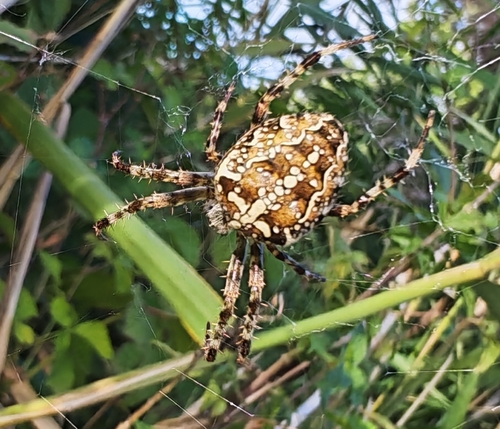
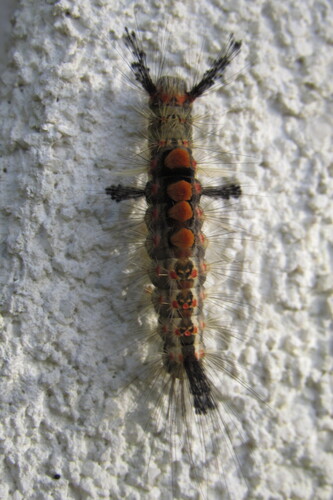
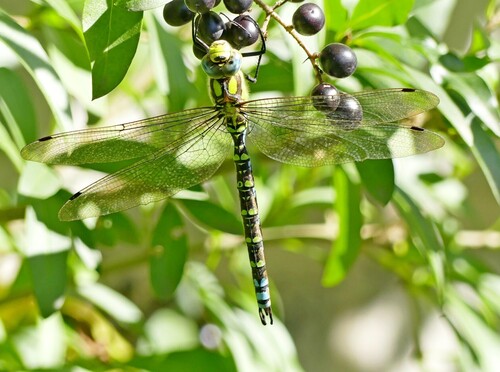
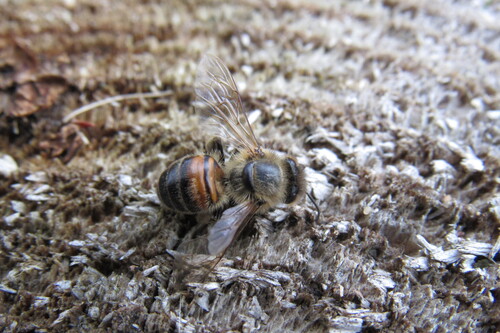
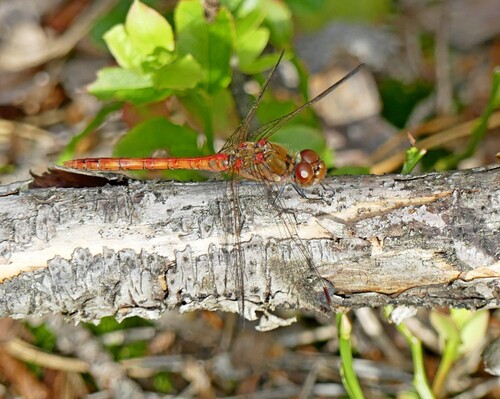
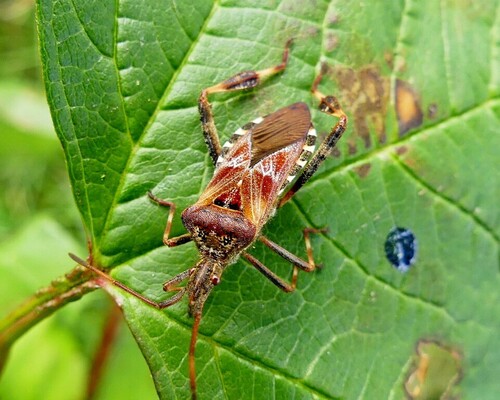
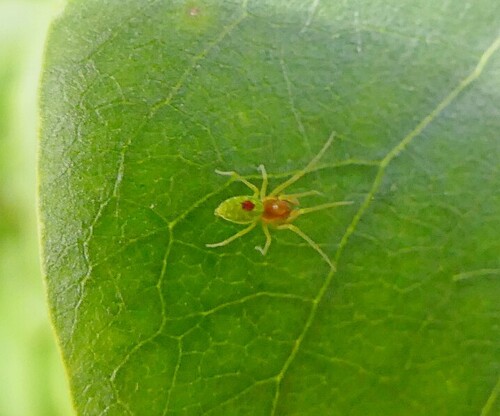
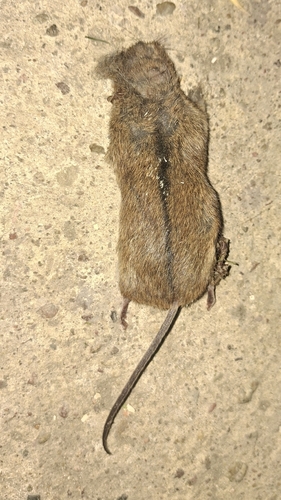
Research-grade observations from iNaturalist (within ~15 mi).
Events
Gallery
Official Identifiers
GUS — Statistics Poland
- SIMC code
- 0937280
- Population (Wikidata)
- 16,641
- Wikidata
- Q555876
SIMC place ID via Wikidata P4046
Sources
- • Wikipedia
- • Wikidata
- • iNaturalist
- • Open-Meteo / sunrise-sunset.org
- • Wikipedia Pageviews API
- • GUS — Statistics Poland — SIMC place ID via Wikidata P4046