Browse / Poland / Lublin / Łuków
Łuków
Lublintown

Łuków
Total population
27,906
Demographic figures from Statistics Poland (GUS). Overview below cites Wikipedia and may reference a different year.
City facts
Sister cities
- Sykkylven Municipality
- Tõrva Rural Municipality
- Tõrva City
- Lazdijai
- Baranivka
- Voisins-le-Bretonneux
Facts from Wikidata (CC0).
Overview
Łuków is a town in the Lublin Voivodeship in eastern Poland with 30,727 inhabitants. It is the capital of Łuków County.
Read more on WikipediaHistory & geography
History
Łuków was established as a grod, around the year 1233. It guarded eastern border of the Sandomierz Land, against warring tribes from the East including the Yotvingians and the Lithuanians. In the first half of the 13th century, Łuków was the seat of Lesser Poland's castellany, positioned in a strategic corner of the province. After Duke of Kraków and Sandomierz Bolesław V the Chaste brought here the Knights Templar (1250–1257), a Roman Catholic Diocese of Łuków was established here. It existed for a very short time (1254–1257), and was closed after protests of the Teutonic Knights. In the late Middle Ages, Łuków was frequently invaded and destroyed by the Old Prussians, Yotvingians, Lithuanians, and Tatars. The town life improved only after 1385 (see Union of Krewo), when Poland and Lithuania became allies. In 1403, Łuków was officially granted a charter, codifying its legal status. In 1445, King Casimir IV Jagiellon established weekly markets in Łuków. The town originally belonged to the Sandomierz Voivodeship, but in 1474, it became part of the Lublin Voivodeship. In the early 16th century, Chancellor of Poland Krzysztof Szydłowiecki fortified the town at his own expense. Łuków frequently burned (1517, 1528, 1530). Its period of prosperity in the first half of the 17th century came to an end after the Swedish Deluge (1655–1660), when it was ransacked and burned by the Swedes. In the second half of the 18th century, Łuków had some 3,000 residents. The town began a slow recovery, but in 1782, in a great fire, it almost completely burned, and as a result, its population decreased by 50%. At that time, Łuków was a prominent center of education in the region. In 1701, Piarist monks opened a college in Łuków, which later became one of the first in Poland to carry out the…
Excerpted from the corresponding Wikipedia article (CC BY-SA).
Geography
Coordinates & boundaries from the US Census TIGER/Line shapefiles.
Climate
Air quality
Walkability
Amenities nearby
Wildlife & biodiversity
Earthquake history
Photos
Sights & places nearby
Notable people from here


People born within ~10 km, from Wikidata (CC0). Click any name for their Wikipedia article.
Nearby places in Lublin
- Gołaszyn2.6 mi away · pop. 983
- Suleje3.4 mi away
- Gołąbki4 mi away
- Malcanów4.4 mi away · pop. 157
- Kierzków5.3 mi away
- Celiny5.8 mi away · pop. 624
- Karwów5.9 mi away · pop. 360
- Domaszewnica5.9 mi away · pop. 630
- Świderki6.1 mi away · pop. 568
- Wólka Domaszewska6.4 mi away · pop. 723
- Sętki6.7 mi away
- Rozwadów8.1 mi away
Geography & sun
Elevation, sunrise/sunset and daylight from Open-Meteo. Solar climatology from NASA POWER.
Nearby airports
Public attention
Pageview totals from the Wikimedia Pageviews API.
Books about Łuków
Search results from Open Library.
Recent natural events nearby
Ground air-quality sensors
Recently spotted species
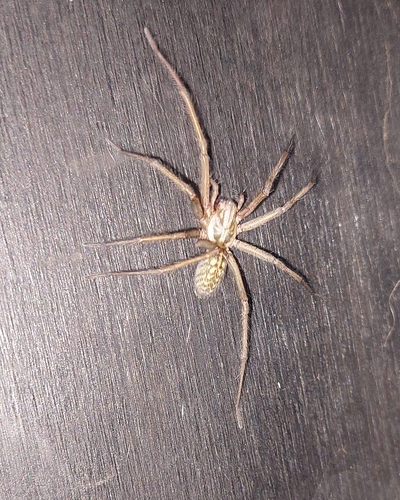
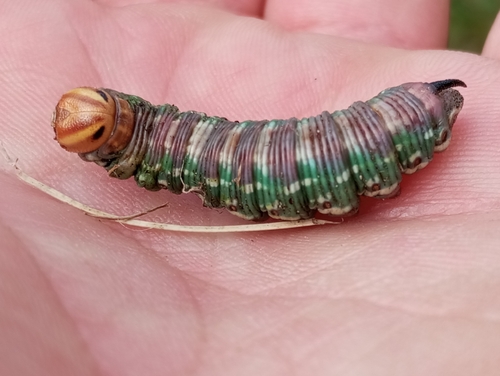
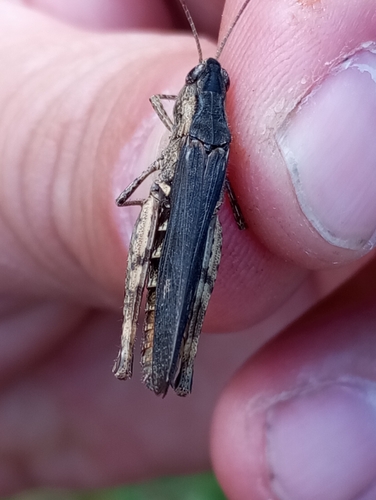
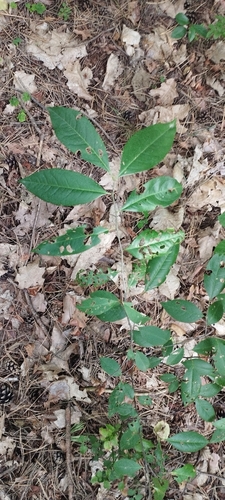
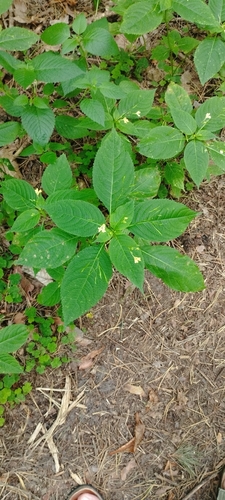
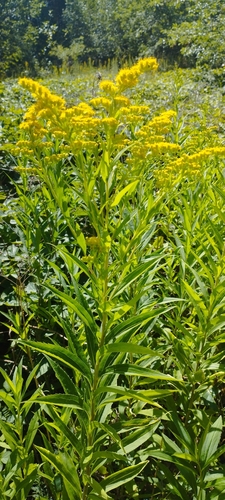
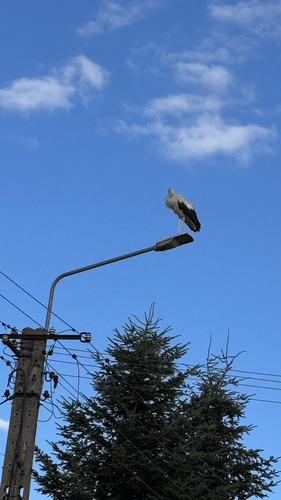
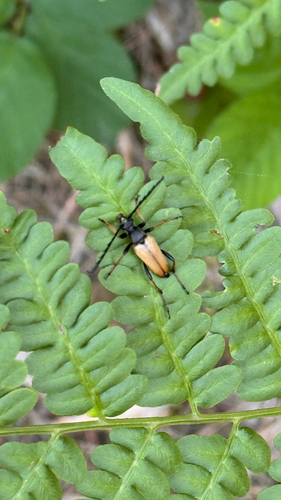
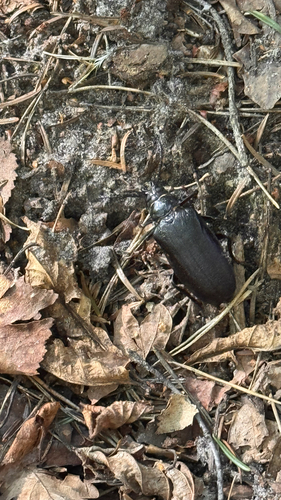
Research-grade observations from iNaturalist (within ~15 mi).
Events
Gallery
Official Identifiers
GUS — Statistics Poland
- SIMC code
- 0975530
- Population (Wikidata)
- 27,906
- Wikidata
- Q384244
SIMC place ID via Wikidata P4046
Sources
- • Wikipedia
- • Wikidata
- • iNaturalist
- • Open-Meteo / sunrise-sunset.org
- • Wikipedia Pageviews API
- • Open Library
- • GUS — Statistics Poland — SIMC place ID via Wikidata P4046