Browse / Poland / Kuyavia-Pomerania / Włocławek
Włocławek
Kuyavia-Pomeraniacity

Włocławek
Total population
104,705
Demographic figures from Statistics Poland (GUS). Overview below cites Wikipedia and may reference a different year.
City facts
Sister cities
Facts from Wikidata (CC0).
Overview
Włocławek is a city in the Kuyavian–Pomeranian Voivodeship in central Poland along the Vistula River, bordered by the Gostynin-Włocławek Landscape Park. As of December 2021, the population of the city is 106,928.
Read more on WikipediaHistory & geography
History
Włocławek's history dates back to the late Bronze Age – early Iron Age (1300 BCE – 500 BCE). Archaeological excavations conducted on the current city site uncovered the remains of a settlement belonging to the Lusatian culture, as well as evidence of a settlement of early Pomeranian culture which had been established. Traces of additional settlements dating to the Roman period and the early Middle Ages have also been excavated in the area. The settlement was founded in the 9th century and its early inhabitants were occupied with agriculture and crafts. In the 10th century it became part of the emerging Polish state under the Piast dynasty. In the mid-10th century, under Casimir I the Restorer, Włocławek was the seat of a castellany and the administrative center of Kuyavia. Włocławek received its city rights in 1255. During the 14th and 15th centuries, the city was destroyed and captured several times by the Teutonic Knights and renamed it Leslau. The Treaty of Thorn, signed in 1411, resulted in short-lived peace for the city, however, it prospered from its involvement in the ransoming of the captured Teutonic Knights which was payable in three instalments and proved to be a hardship on the Prussian faction. Włocławek was located within the Brześć Kujawski Voivodeship of the Greater Poland Province. There is a possibility that Nicolaus Copernicus, the later renowned astronomer, may have attended the local cathedral school in the late 15th century. The city's prosperity came from river transport of grain from Kuyavia, the collection of tolls on grain floated from the more southern part of Poland to the country's main port of Gdańsk, transport of timber from the Narew, Bug and upper Vistula rivers for export to Western Europe and brewing. This is mentioned in the 1595…
Excerpted from the corresponding Wikipedia article (CC BY-SA).
Geography
Coordinates & boundaries from the US Census TIGER/Line shapefiles.
Climate
Air quality
Walkability
Amenities nearby
Wildlife & biodiversity
Earthquake history
Photos
Sights & places nearby
Notable people from here


People born within ~10 km, from Wikidata (CC0). Click any name for their Wikipedia article.
Nearby places in Kuyavia-Pomerania
Geography & sun
Elevation, sunrise/sunset and daylight from Open-Meteo. Solar climatology from NASA POWER.
Nearby airports
Public attention
Pageview totals from the Wikimedia Pageviews API.
Books about this place
Recent natural events nearby
Ground air-quality sensors
Recently spotted species
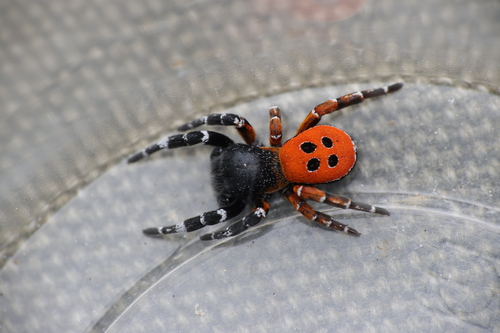
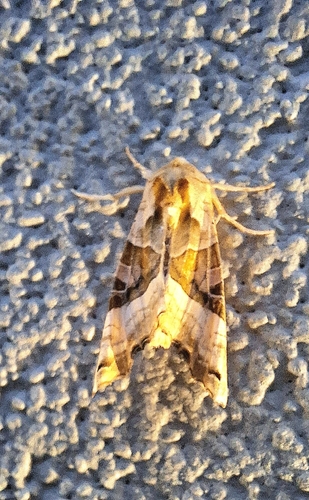
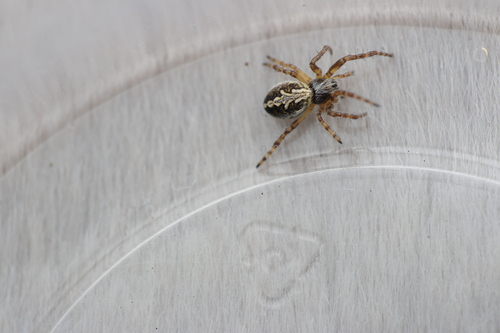
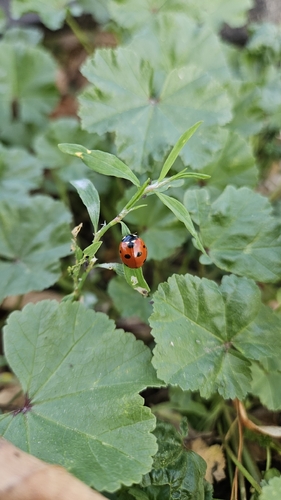
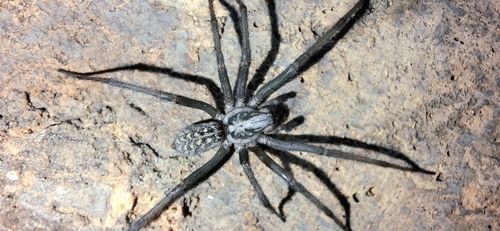
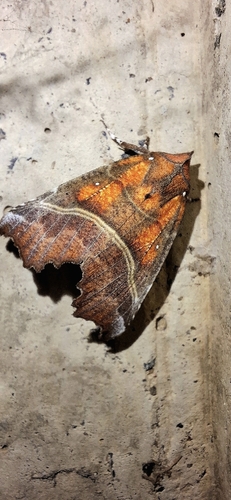
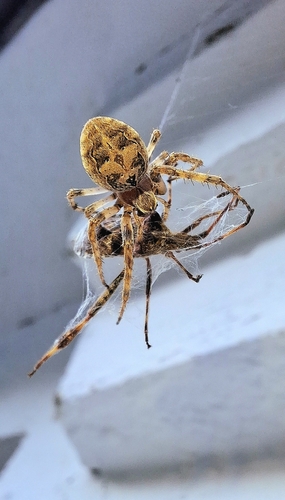
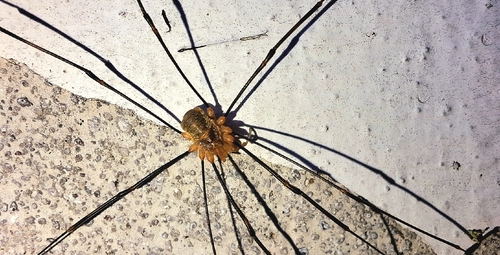
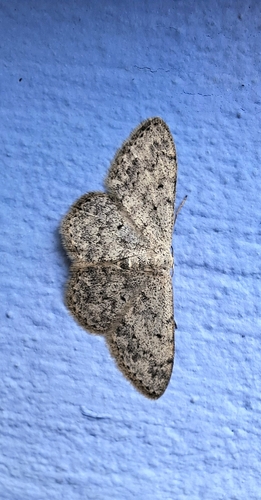
Research-grade observations from iNaturalist (within ~15 mi).
Events
Gallery
Official Identifiers
GUS — Statistics Poland
- SIMC code
- 0984752
- Population (Wikidata)
- 104,705
- Wikidata
- Q106681
SIMC place ID via Wikidata P4046
Sources
- • Wikipedia
- • Wikidata
- • iNaturalist
- • Open-Meteo / sunrise-sunset.org
- • Wikipedia Pageviews API
- • GUS — Statistics Poland — SIMC place ID via Wikidata P4046