Browse / Poland / Lubusz / Wschowa
Wschowa
Lubusztown

Wschowa
Total population
13,533
Demographic figures from Statistics Poland (GUS). Overview below cites Wikipedia and may reference a different year.
City facts
Overview
Wschowa is a town in the Lubusz Voivodeship in western Poland with 13,875 inhabitants (2019). It is the capital of Wschowa County and a significant tourist site containing many important historical monuments. It is part of the historic region of Greater Poland. Once an important royal city of Poland, due to its 18th-century history, it is sometimes called the "unofficial capital of Poland".
Read more on WikipediaHistory & geography
History
The territory became part of the emerging Polish state under its first historic ruler Mieszko I in the 10th century. Following the fragmentation of Poland, Wschowa initially formed part of the Duchy of Greater Poland, and was mentioned in the Bull of Gniezno from 1136. Later on, Wschowa was a border fortress in a region disputed by the Polish dukes of Silesia and Greater Poland. The Old Polish name Veschow was first mentioned in 1248, while the Middle High German name Frowenstat Civitas first appeared in 1290. After German colonists had established a settlement nearby, it received Magdeburg rights around 1250. From the 1290s, Wschowa was part of the Duchy of Głogów, and in 1343 it was captured by King Casimir III the Great and reunited with Greater Poland. Since then Wschowa was a royal town of Poland and county seat within the Poznań Voivodeship in the Greater Poland Province. In 1345, the town was attacked by the dukes of Głogów. In 1365, the wedding of King Casimir III and Hedwig of Żagań was held in Wschowa. A mint was founded in the 14th century. A municipal school was founded in 1404. In 1456, a Bernardine monastery was established. The reign of the Jagiellonian dynasty is considered the golden age of Wschowa. The town prospered thanks to trade and crafts, especially clothmaking. Since the mid-16th century, Wschowa was one of the centres of the Protestant Reformation in Poland. The Protestants took over the local parish church, however, by decree of King Sigismund III Vasa of 1602, it was restored to the Catholics, and a new Protestant church was built in 1604. In the early 17th century, a new Latin school was founded. Wschowa was a retreat for religious refugees from adjacent Lower Silesia during the Thirty Years' War. In the 1630s, starost founded the New…
Excerpted from the corresponding Wikipedia article (CC BY-SA).
Geography
Coordinates & boundaries from the US Census TIGER/Line shapefiles.
Climate
Air quality
Walkability
Amenities nearby
Wildlife & biodiversity
Earthquake history
Photos
Sights & places nearby
Notable people from here
Nearby places in Lubusz
Geography & sun
Elevation, sunrise/sunset and daylight from Open-Meteo. Solar climatology from NASA POWER.
Nearby airports
Public attention
Pageview totals from the Wikimedia Pageviews API.
Books about this place
Recent natural events nearby
Ground air-quality sensors
Recently spotted species
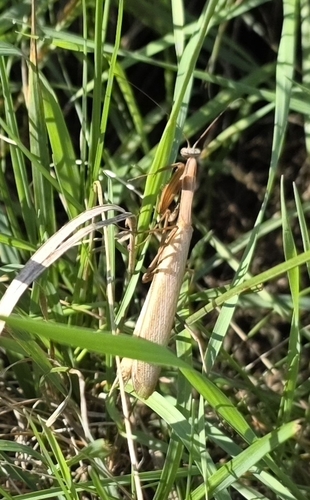
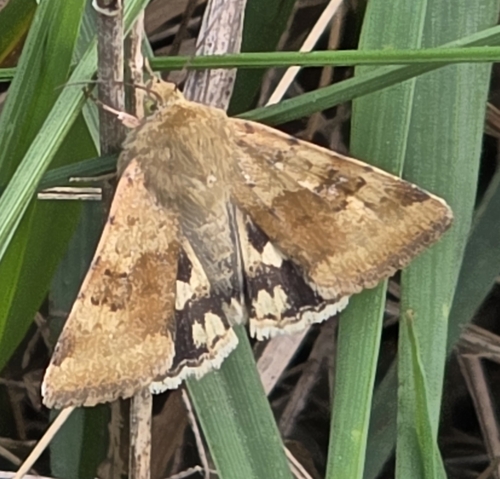
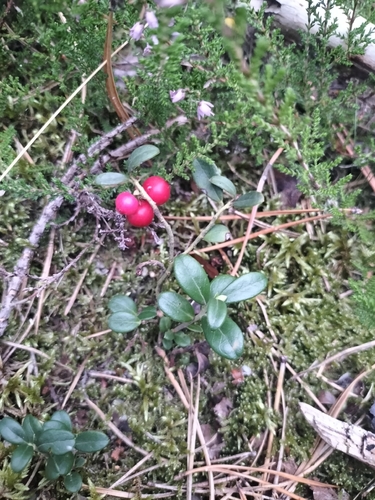
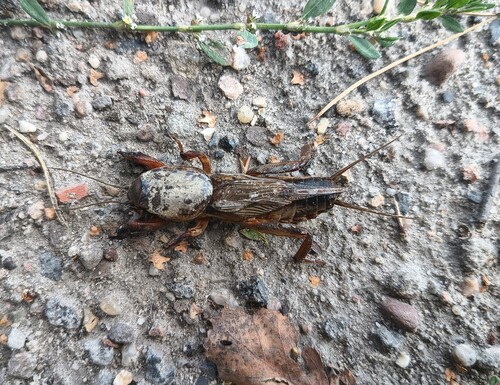
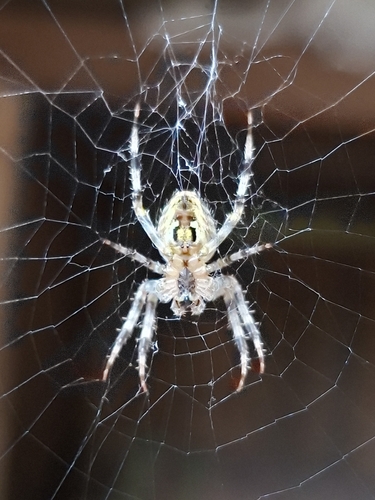
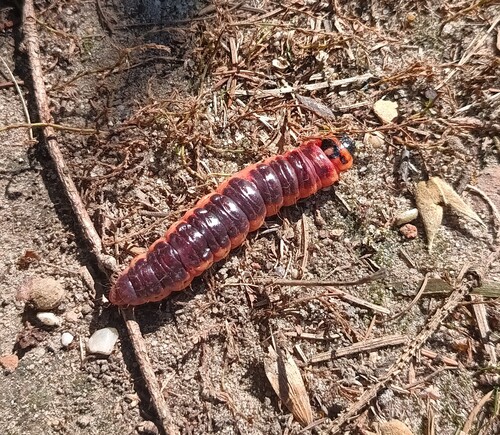
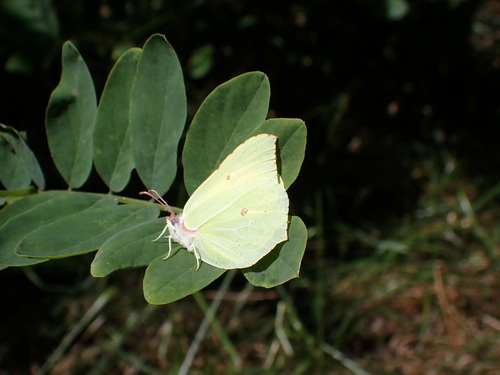
Research-grade observations from iNaturalist (within ~15 mi).
Events
Gallery
Official Identifiers
GUS — Statistics Poland
- SIMC code
- 0954685
- Population (Wikidata)
- 13,533
- Wikidata
- Q717938
SIMC place ID via Wikidata P4046
Sources
- • Wikipedia
- • iNaturalist
- • Open-Meteo / sunrise-sunset.org
- • Wikipedia Pageviews API
- • GUS — Statistics Poland — SIMC place ID via Wikidata P4046